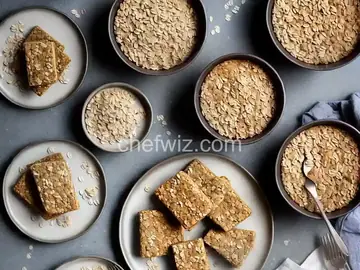
Delicious Bread
Rate this recipeBe the first to rate
 By AprilPublished
 Who doesn't love the smell of freshly baked bread wafting through the kitchen?
 By AprilPublished
 Who doesn't love the smell of freshly baked bread wafting through the kitchen?
In a mixing bowl, mix together cooled butter, egg, garlic salt, and dried parsley.
Take walnut-sized pieces of dough and dip them into the butter mixture.
Place the bread pieces into a lightly greased Bundt cake pan.
Pour the remaining butter mixture over the dough in the pan.
Cover the pan and let it sit in a warm place until the bread pieces have doubled in size.
Meanwhile, preheat the oven to 350 degrees F (175 degrees C).
Once the bread has risen, bake it in the preheated oven for 30 to 45 minutes, or until it turns golden brown.
Serve the bread warm.
Who doesn't love the smell of freshly baked bread wafting through the kitchen? Bread is a staple in many cultures around the world and comes in countless varieties, from crusty baguettes to soft sandwich loaves. But what makes bread truly delicious? In this article, we'll explore the secrets behind creating the perfect loaf of bread that will have your taste buds dancing with delight.
Just like any other recipe, the quality of your ingredients plays a crucial role in the final outcome. When it comes to bread, the main ingredients are flour, water, yeast, and salt. But did you know that the type of flour you use can greatly affect the flavor and texture of your bread? Whole wheat flour adds a nutty flavor, while bread flour gives you a chewier texture.
Yeast is the ingredient that gives bread its rise and fluffy texture. But how does it work? Yeast is a living organism that feeds on sugar and releases carbon dioxide gas as a byproduct. This gas gets trapped in the dough, causing it to expand and give the bread its airy structure. It's like a little party happening inside your loaf!
Before you can use yeast in your bread dough, it needs to be activated through a process called proofing. This involves mixing the yeast with warm water and a pinch of sugar, then waiting for it to become frothy. This step ensures that your yeast is alive and ready to work its magic in the dough.
Once you've combined your ingredients, it's time to knead the dough. Kneading is a process of stretching and folding the dough to develop gluten, a protein that gives bread its structure. Think of it like a workout for your bread! Kneading also helps distribute the yeast and other ingredients evenly throughout the dough.
After kneading, the dough needs time to rise. This allows the yeast to continue fermenting and producing carbon dioxide, which causes the dough to expand. The rise time can vary depending on the recipe, but it usually takes anywhere from 1 to 2 hours. Patience is key here, as a good rise will result in a lighter and fluffier bread.
Once the dough has doubled in size, it's time to punch it down. This simply means gently pressing the air out of the dough to remove any large air bubbles. It's a satisfying step that helps redistribute the yeast and creates a more even texture in the final loaf.
Finally, it's time to bake your bread. Preheat your oven to the desired temperature and place the dough in the center. As the bread bakes, it will turn golden brown and fill your home with a delightful aroma. The baking time can vary depending on the size and type of bread, so be sure to follow the recipe instructions.
As tempting as it may be, resist the urge to slice into your freshly baked bread right away. Cooling is an essential step that allows the bread to set and finish cooking inside. Let the bread cool on a wire rack for at least 30 minutes before indulging in its deliciousness.
Bread-making is a wonderful art that combines science and creativity. By choosing the right ingredients, understanding the role of yeast, and following the proper techniques, you can create delicious bread that will impress your family and friends. So roll up your sleeves, put on your apron, and let the magic of bread-making begin!
To help your bread rise more, ensure that your yeast is fresh and active. You can also try increasing the rise time or adding a little sugar to the dough to feed the yeast.
Absolutely! Whole wheat flour adds a nutty flavor and extra nutritional value to your bread. Just keep in mind that it may result in a denser texture.
If your bread turns out dry, it may be due to overbaking or using too much flour. Try reducing the baking time and adjusting the amount of flour in your recipe.
Yes, you can freeze homemade bread. Wrap it tightly in plastic wrap or aluminum foil and store it in the freezer for up to three months. To thaw, simply leave it at room temperature or toast it for a warm and crispy slice.
A dense texture can be caused by several factors, such as using too much flour, not kneading the dough enough, or not allowing enough time for the dough to rise. Be sure to follow the recipe instructions and make adjustments as needed.
Absolutely! Adding herbs, cheese, or other flavorful ingredients can take your bread to the next level. Just make sure to adjust the measurements and incorporate them into the dough during the mixing or kneading process.
Homemade bread is best enjoyed within a couple of days. To keep it fresh, store it in a bread box or airtight container at room temperature. You can also slice and freeze any leftover bread to extend its shelf life.
Yes, you can make bread without yeast using alternative leavening agents like baking powder or sourdough starter. These methods will result in a different texture and flavor, but they can still be delicious in their own right.
AprilCook, recipe developer and the heart of Chefwiz. More about April