Deep-Fried Sous Vide Turkey Porchetta (Turchetta) Recipe
Rate this recipeBe the first to rate
 By AprilPublished
 Thanksgiving is a time for family, gratitude, and of course, delicious food.
 By AprilPublished
 Thanksgiving is a time for family, gratitude, and of course, delicious food.
After shaping and tying the turkey porchetta according to step 5 of the turkey porchetta recipe, place it in a vacuum-sealer bag designed for sous vide cooking. Ensure a tight seal and allow it to rest for at least 6 hours, up to 2 days.
Preheat the sous vide water bath to 140°F (60°C). Submerge the turkey porchetta in the water and cook for 4 to 5 hours. Once cooked, remove it from the water and rinse under cool running water or transfer to an ice bath for 5 minutes to chill. Open the bag and collect any juices that have congealed to use in the gravy. Thoroughly rinse the turkey porchetta and gently pat dry with paper towels. If desired, trim the ends for a more cylindrical shape.
In a large wok or Dutch oven, heat 1 1/2 quarts (1.4L) of peanut oil to 400°F (204°C). Do not fill the vessel more than one-third full to allow for bubbling and displacement when adding the turkey. Use spatulas and tongs to carefully slide the turkey into the hot oil, ensuring it is not fully submerged. Immediately cover and cook, shaking the pan occasionally, until the sputtering reduces slightly, approximately 2 minutes. Adjust the flame to maintain a consistent temperature of 350°F (177°C). Using a large metal ladle, continuously spoon hot oil over
Thanksgiving is a time for family, gratitude, and of course, delicious food. While the traditional roast turkey has its place on the table, why not spice things up this year with a deep-fried sous vide turkey porchetta? This mouthwatering dish combines the tenderness of sous vide cooking with the crispy and flavorful exterior of deep-frying, creating a unique and unforgettable feast for your loved ones.
Sous vide cooking, which involves vacuum-sealing food and cooking it in a water bath at a precise temperature, ensures that the turkey porchetta is cooked evenly and retains maximum moisture. This method allows the flavors to penetrate the meat, resulting in a succulent and juicy texture. Deep-frying, on the other hand, provides a crispy exterior that adds a delightful crunch to each bite. By combining these two techniques, you'll end up with a turkey porchetta that is both tender and crispy, a true culinary masterpiece.
When it comes to making the perfect deep-fried sous vide turkey porchetta, the quality of the ingredients is key. Start with a fresh, boneless turkey breast and season it generously with a blend of herbs and spices. Traditional Italian flavors such as rosemary, sage, and garlic work beautifully in this dish. The aromatic herbs infuse the meat as it cooks, creating a fragrant and flavorful centerpiece for your Thanksgiving feast.
After seasoning the turkey breast, seal it in a vacuum bag and place it in a water bath heated to a precise temperature. The low and slow cooking process of sous vide ensures that the meat is cooked to perfection, resulting in a tender and moist interior. While the turkey is cooking, you can prepare the deep-frying setup.
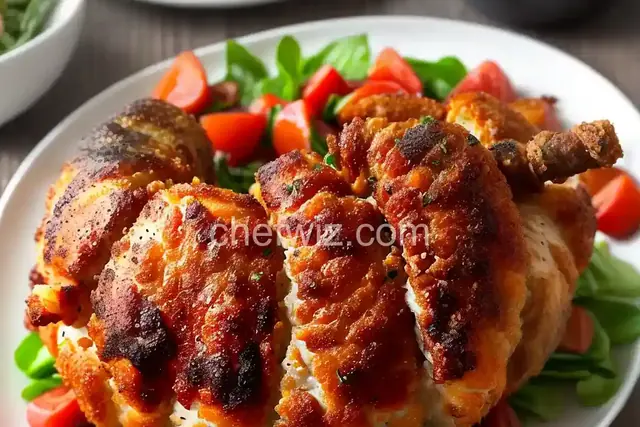
Deep-frying might seem intimidating, but with the right equipment and precautions, it can be a safe and enjoyable cooking method. Heat the oil to the appropriate temperature and carefully lower the cooked turkey porchetta into the hot oil. The deep-frying process adds a beautiful golden brown color and a crispy texture to the porchetta.
Once your deep-fried sous vide turkey porchetta is ready, it's time to present it to your guests. Slice the porchetta into thin, juicy pieces and serve it alongside your favorite sides. Traditional Thanksgiving accompaniments such as cranberry sauce, mashed potatoes, and roasted vegetables complement the flavors of the porchetta perfectly.
This deep-fried sous vide turkey porchetta is a delicious twist on the traditional Thanksgiving turkey. Its unique cooking methods and flavor combinations will impress your guests and leave them wanting more. So this year, break the mold and treat your loved ones to an unforgettable feast that combines tradition with innovation. Your taste buds will thank you!
Yes, you can use a whole turkey for this recipe. However, keep in mind that cooking times may vary, and you will need to adjust the sous vide and deep-frying processes accordingly.
When done correctly and with proper safety precautions, deep-frying can be safe. Make sure to use a deep-fry thermometer to monitor the oil temperature, and always lower the turkey into the oil slowly and carefully to avoid splashing.
Absolutely! Feel free to experiment with different herbs and spices to suit your taste. You can try adding thyme, oregano, or even a touch of chili powder to give your turkey porchetta a unique twist.
Using a sous vide cooker ensures that the turkey is cooked to the desired temperature. For turkey breast, a temperature of 145°F (63°C) is recommended for optimal juiciness and tenderness.
While the deep-frying should be done just before serving, you can prepare the turkey porchetta in advance by cooking it sous vide. Simply refrigerate the cooked porchetta and then deep-fry it when you're ready to serve.
Peanut oil or vegetable oil are commonly used for deep-frying due to their high smoke points. These oils can withstand the high temperatures required for deep-frying without burning or imparting a strong flavor to the food.
Absolutely! The combination of sous vide and deep-frying can be applied to various meats such as chicken, pork, or beef. The result is always a tender and juicy interior with a crispy exterior.
If you have any leftovers, store them in an airtight container in the refrigerator. The turkey porchetta can be reheated in the oven or enjoyed cold in sandwiches or salads.
In conclusion, the deep-fried sous vide turkey porchetta offers a tantalizing twist on the traditional Thanksgiving turkey. With its tender and juicy interior and crispy exterior, this dish is sure to impress your guests and elevate your holiday feast to new heights. So why not embrace innovation this Thanksgiving and embark on a culinary adventure that combines tradition with modern cooking techniques?
AprilCook, recipe developer and the heart of Chefwiz. More about April