Decorating with Fondant
Rate this recipeBe the first to rate
 By AprilPublished
 Are you looking to take your cake decorating skills to the next level?
 By AprilPublished
 Are you looking to take your cake decorating skills to the next level?
Rolled fondant is a versatile ingredient that can be tinted, flavored, modeled, formed, twisted, imprinted, and shaped into various decorative pieces.
Before applying fondant to the cake, ensure that the surface is sticky by spreading a thin layer of buttercream onto it.
When using rolled fondant to make decorations, roll it to a thickness of 1/4 inch. Place the decorations flat on greased wax paper or over forms to dry for 24 to 36 hours. Use royal icing to adhere the fondant pieces to a rolled fondant iced cake and for fine decorating purposes, especially on wedding cakes.
Make sure that the cake to be covered with rolled fondant is completely cooled, preferably for 24 hours while covered. This will help firm up the crumbs and make the cake more solid.
The timing for covering the cake with fondant depends on the type of cake, filling, icing, etc. For a basic butter cake, it is recommended to cover the cake no more than 2 to 3 days in advance of decorating and serving. Fondant can only stay fresh for that long, and it can start breaking down due to the moisture in the cake. If using layer cake or perishable fillings and icings, it is best to do everything just a day or two before the event.
Fondant dries quickly, so while working with it, ensure that any excess fondant is well
Are you looking to take your cake decorating skills to the next level? Fondant is a versatile and popular choice for creating stunning and professional-looking cakes. In this article, we will explore the world of fondant and learn how to decorate with this edible medium. Whether you're a beginner or an experienced baker, you'll find plenty of tips and tricks to elevate your cake designs.
Fondant is a smooth and pliable icing that is used to cover cakes, create decorative elements, and add a polished finish to baked goods. It is made from a mixture of sugar, water, and other ingredients like gelatin or glucose syrup. Fondant can be rolled out and draped over cakes or formed into intricate shapes and figures.
One of the main reasons to choose fondant for your cake decorating projects is its versatility. It can be molded into any shape or design, allowing you to create intricate details and lifelike decorations. Fondant also provides a smooth and flawless finish, giving your cakes a professional look.
Another advantage of using fondant is that it can be colored with food coloring to achieve vibrant and custom shades. Unlike buttercream icing, fondant sets firmly, which makes it ideal for creating tiered cakes or cakes with multiple layers.
Before you begin working with fondant, it's important to prepare your workspace and gather all the necessary tools. Make sure your hands are clean and dry, and lightly dust your work surface with powdered sugar or cornstarch to prevent sticking. You'll need a rolling pin, fondant smoother, fondant mat, and various cake decorating tools like cutters and molds.
Start by kneading the fondant to soften it and make it more pliable. This will also help remove any air bubbles. Divide the fondant into smaller portions and work with one piece at a time, keeping the rest covered to prevent drying out.
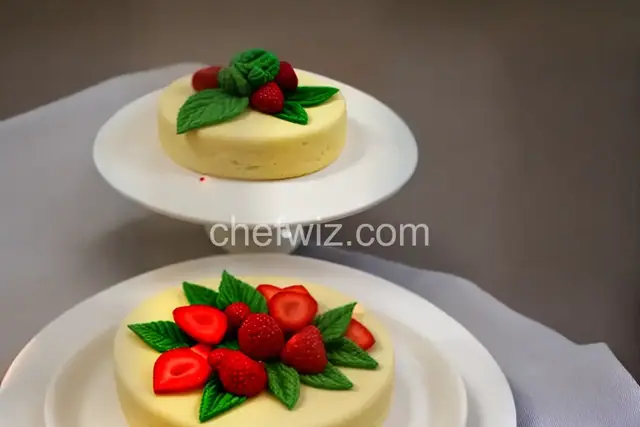
To cover a cake with fondant, start by applying a thin layer of buttercream icing or ganache to create a smooth surface. This will help the fondant adhere to the cake. Roll out the fondant to a thickness of about 1/4 inch and carefully drape it over the cake. Gently smooth the fondant over the cake, working from the center to the edges, to remove any wrinkles or air pockets.
Trim off any excess fondant using a sharp knife or pizza cutter. Use a fondant smoother to create a seamless finish on the sides of the cake. If you're working with a tiered cake, stack and dowel the layers before covering with fondant.
In addition to covering cakes, fondant can be used to create a wide range of decorative elements. You can roll out fondant and cut it into shapes using cookie cutters or specialty fondant cutters. These shapes can then be attached to the cake using a small amount of water or edible glue.
Fondant can also be shaped and molded by hand to create flowers, bows, and other intricate designs. Use a combination of fondant tools and your fingers to shape and texture the fondant. Allow your creations to dry and harden before attaching them to the cake.
Working with fondant can be challenging, especially for beginners. Here are some troubleshooting tips to help you overcome common issues:
If your fondant is cracking or tearing, it may be too dry. Try kneading in a small amount of vegetable shortening or adding a few drops of water to soften it.
If your fondant is sticking to the work surface, lightly dust it with powdered sugar or cornstarch. Be careful not to add too much, as it can dry out the fondant.
To remove air bubbles from the fondant, gently smooth them out with your fingers or a fondant smoother. You can also use a pin to prick the bubble and then smooth it out.
Decorating with fondant opens up a world of possibilities for creating beautiful and professional-looking cakes. With a little practice and some basic tools, you can create intricate designs and lifelike decorations that will impress your friends and family. So why not give fondant a try and take your cake decorating skills to new heights?
Yes, you can make fondant at home using a few simple ingredients like marshmallows, powdered sugar, and water. There are many recipes available online that provide step-by-step instructions.
Fondant can last for several weeks if stored properly. Wrap it tightly in plastic wrap and store it in an airtight container at room temperature.
Yes, fondant decorations can be frozen. Place them in an airtight container or freezer bag and freeze for up to a month. Thaw them at room temperature before using.
Yes, gel food coloring is ideal for coloring fondant as it provides vibrant and concentrated colors. Add a small amount at a time and knead it into the fondant until the desired color is achieved.
Absolutely! Fondant can be used to cover cupcakes, create decorative toppers, or add small details. It's a great way to elevate your cupcake designs.
You can decorate a cake with fondant a day or two in advance. Keep the cake in a cool and dry place to prevent sweating or the fondant becoming too soft.
Yes, you can use fondant on top of buttercream icing. Just make sure the buttercream has crusted before applying the fondant to prevent any bleeding or melting.
Yes, you can re-roll fondant scraps as long as they haven't dried out. Knead them together to soften and then roll out as usual.
AprilCook, recipe developer and the heart of Chefwiz. More about April