Dawali (Palestinian Stuffed Grape Leaves)
Rate this recipeBe the first to rate
 By AprilPublished
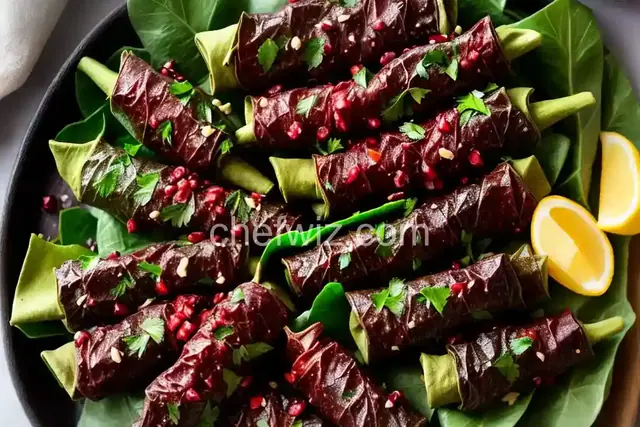
 Have you ever tried the delightful and flavorsome Palestinian dish called Dawali?
 By AprilPublished
 Have you ever tried the delightful and flavorsome Palestinian dish called Dawali?
In a large bowl, combine the rice, olive oil (or butter/ghee), allspice, tomato paste, cinnamon, black pepper, nutmeg, and salt until well mixed.
Add the ground meat to the bowl and mix until evenly incorporated.
In a medium bowl, whisk together the water (or broth) with tomato paste, allspice, cinnamon, and black pepper until well combined. Season with salt and set aside.
If using jarred grape leaves, drain and place in a heatproof bowl. Gently separate the leaves and pour boiling water over them. Let stand for 15 minutes, then drain and rinse thoroughly. For both fresh and jarred grape leaves, remove the tough central stem and any other thick veins using a paring knife.
Lay out grape leaves on a work surface, vein side up, with the stem end closest to you. Spoon about 2 teaspoons of the stuffing above the cut-out stem section of each leaf. Use your fingers to shape the stuffing into a thin log, leaving about 1 inch of uncovered leaf on either end.
Fold the sides of the grape leaves over the stuffing, then roll the leaves up over the filling from the stem ends, making sure they are secure but not rolled too tightly.
Repeat the previous step with the remaining grape leaves and filling, reserving some large leaves for lining and covering the pot.
If using lamb chops or beef short ribs
Have you ever tried the delightful and flavorsome Palestinian dish called Dawali? These stuffed grape leaves are a true culinary masterpiece that will transport your taste buds to the vibrant streets of Palestine. Imagine biting into a perfectly seasoned mixture of rice, herbs, and spices, wrapped in delicate grape leaves, and steamed to perfection. The result is a burst of flavors that will leave you craving for more.
Stuffed grape leaves, known as Dawali in Palestine, are a labor of love. The process of stuffing each leaf requires patience, precision, and a gentle touch. Just like an artist carefully crafts their masterpiece, the cook delicately wraps the filling in each grape leaf, creating a beautiful and mouth-watering dish.
Each bite of Dawali is a symphony of flavors. The aromatic herbs and spices mingle with the tender grape leaves, creating a harmonious blend that dances on your palate. The rice filling adds a delightful texture, making every mouthful a delightful experience.
Dawali is more than just a delicious dish; it is a testament to the rich culinary traditions of Palestine. Passed down through generations, this recipe is a symbol of the country's heritage and culture. Each family has their own unique twist on the recipe, adding their personal touch to make it truly their own.
Just like the grape leaves that wrap the filling, Dawali brings people together. It is a dish that is often shared with loved ones during special occasions and gatherings. The act of preparing and enjoying Dawali becomes a celebration of family, love, and togetherness.
When you take a bite of Dawali, you are not just tasting a dish; you are experiencing a slice of Palestinian culture. The flavors transport you to the bustling markets of Ramallah, where the aroma of spices fills the air. You can almost hear the laughter and chatter of locals as they gather around to enjoy this beloved dish.
As you savor each bite, you can't help but marvel at the beauty of Palestinian cuisine. It is a cuisine that tells a story, a story of resilience, love, and the unbreakable spirit of its people.
Dawali is more than just a dish; it is a culinary journey that takes you on a sensory adventure through the streets of Palestine. From the art of stuffing grape leaves to the rich flavors that burst in your mouth, every aspect of this dish tells a story. So, gather your loved ones, embrace the traditions, and savor the taste of Dawali.
Dawali typically includes grape leaves, rice, herbs such as parsley and mint, spices like cinnamon and allspice, and lemon juice for a tangy twist.
While canned grape leaves are convenient, nothing beats the freshness and flavor of homemade grape leaves. If you have access to fresh grape leaves, it is highly recommended to use them for an authentic taste.
Absolutely! Dawali is a versatile dish, and you can get creative with the filling. You can add minced meat, such as lamb or beef, for a heartier version. You can also incorporate vegetables like tomatoes or onions for added texture and flavor.
Wrapping grape leaves can be a bit tricky at first, but with practice, it becomes easier. Start by placing a small amount of filling in the center of the leaf, then fold in the sides and roll it tightly. The key is to be gentle and avoid overstuffing the leaves.
Yes, you can freeze Dawali for later consumption. Once cooked, allow them to cool completely, then store them in an airtight container or freezer bag. When you're ready to enjoy them, simply thaw and reheat them gently.
Dawali is often served with a side of tangy yogurt or a refreshing cucumber and mint salad. The creamy yogurt balances the flavors of the dish, while the salad adds a fresh and cooling element.
Grape leaves can be found in many Middle Eastern or Mediterranean grocery stores. If you have access to fresh grapevines, you can also pick the young and tender leaves to use in your recipe.
Dawali can be served as a main course, especially if you have a large batch. It pairs well with a side of Arabic bread or a simple salad. Alternatively, you can also serve it as an appetizer or part of a mezze spread.
AprilCook, recipe developer and the heart of Chefwiz. More about April