Danish Cinnamon Snails
Rate this recipeBe the first to rate
 By AprilPublished
 Who doesn't love the sweet aroma of freshly baked pastries wafting through the air?
 By AprilPublished
 Who doesn't love the sweet aroma of freshly baked pastries wafting through the air?
In a mixing bowl, pour the warm milk and add the fresh cake yeast.
Mash the yeast into the milk.
Add 6 1/2 tablespoons of soft butter, eggs, cardamom, 2 tablespoons of sugar, salt, and 3 1/2 cups of flour to the bowl.
Mix the dough using a wooden spoon. If the dough is very sticky, add the remaining 1/2 cup of flour.
Cover the bowl and let the dough rise for 30 minutes.
Cream together 2/3 cup of butter and 1/2 cup of sugar.
Stir in the cinnamon.
Transfer the dough onto a floured surface and knead it until firm, approximately 3 minutes.
Divide the dough in half and roll each half into a rectangle that is no more than 1/2 inch thick.
Spread half of the filling onto each rectangle.
Place one layer of dough and filling on top of the other rectangle, with the filling side facing up.
Roll the dough up, starting from the edge closest to you, to form a long log.
Cut the log into 1-inch thick slices.
Preheat the oven to 425 degrees F (220 degrees C).
Line a baking sheet with parchment paper or grease a baking dish or two cake pans.
Place the rolls on the prepared baking sheet,
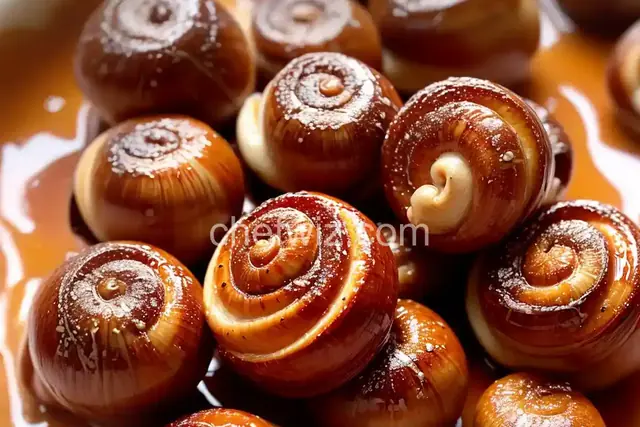
Who doesn't love the sweet aroma of freshly baked pastries wafting through the air? Danish cinnamon snails are a delightful treat that can transport you to a cozy bakery with just one bite. These delicious pastries are perfect for breakfast, brunch, or an afternoon snack. In this article, we will explore the art of making Danish cinnamon snails and why they are a beloved classic. So, let's dive in and unravel the secrets behind these delectable treats!
Just like the intricate layers of a Danish pastry, the origins of Danish cinnamon snails are equally fascinating. As the name suggests, these snail-shaped pastries originate from Denmark, where they are known as "kanelsnegle." The Danish have perfected the art of creating flaky, buttery pastries, and Danish cinnamon snails are a testament to their culinary expertise.
Making Danish cinnamon snails requires a delicate balance of patience and precision. The process starts with a buttery dough that is rolled out and spread with a generous amount of cinnamon-sugar filling. The dough is then tightly rolled into a log and sliced into individual snails. These snails are then left to rise before being baked to golden perfection.
One of the key ingredients that sets Danish cinnamon snails apart is the use of butter. Danish bakers take pride in using high-quality butter, which adds richness and flavor to the pastries. When combined with the aromatic cinnamon filling, the result is a heavenly combination that is hard to resist.
There are several reasons why Danish cinnamon snails have stood the test of time and continue to be a beloved classic. Firstly, the flaky layers of the pastry create a satisfying crunch with every bite. Secondly, the cinnamon-sugar filling adds a comforting sweetness that is both nostalgic and indulgent. Lastly, the snail shape itself adds a touch of whimsy to these pastries, making them visually appealing.
Whether you enjoy them fresh out of the oven or with a cup of coffee, Danish cinnamon snails are a treat for the senses. The combination of flavors and textures makes them perfect for any occasion. You can savor them on a lazy Sunday morning, share them with friends at a brunch gathering, or surprise your loved ones with a delightful homemade treat.
Danish cinnamon snails are a delightful treat that combines flaky pastry, a sweet cinnamon filling, and a whimsical snail shape. Whether you're enjoying them on a lazy Sunday morning or sharing them with loved ones, these pastries are sure to bring joy and warmth to any occasion. So, why not embark on your own Danish pastry adventure and whip up a batch of these irresistible cinnamon snails?
Yes, Danish cinnamon snails can be frozen. After baking, allow them to cool completely, then store them in an airtight container or freezer bag. When you're ready to enjoy them, simply thaw and reheat in the oven for a few minutes.
While margarine can be used as a substitute for butter, it may affect the flavor and texture of the pastries. For the best results, it is recommended to use butter.
Danish cinnamon snails are best enjoyed fresh on the day they are baked. However, they can be stored in an airtight container for up to 2-3 days.
Absolutely! Feel free to customize the filling by adding raisins, chopped nuts, or even a drizzle of caramel sauce. Get creative and make it your own!
While making Danish cinnamon snails requires some time and patience, they are not overly difficult to make. With a bit of practice, you'll be able to master the art of creating these delightful pastries.
If you're short on time, you can use pre-made puff pastry dough as a shortcut. However, keep in mind that the texture and flavor may differ slightly from traditional Danish cinnamon snails.
In addition to the cinnamon-sugar filling, you can experiment with different toppings such as powdered sugar, cream cheese glaze, or a sprinkle of chopped almonds.
Traditional Danish cinnamon snails contain butter and dairy, making them unsuitable for a vegan diet. However, you can explore vegan-friendly alternatives using plant-based butter and non-dairy milk.
AprilCook, recipe developer and the heart of Chefwiz. More about April