Dan Dan Noodles
Rate this recipeBe the first to rate
 By AprilPublished
 Are you someone who loves to experiment with different flavors and spice levels?
 By AprilPublished
 Are you someone who loves to experiment with different flavors and spice levels?
Fill a large pot with water and add a pinch of salt. Bring the water to a rapid boil.
Add the egg noodles to the boiling water and cook for 7 to 9 minutes, or until they are tender but still slightly firm.
Drain the cooked noodles in a colander, making sure to reserve 3/4 cup of the cooking liquid in a bowl.
Transfer the drained noodles to a large bowl.
In a large wok, heat some oil over medium-high heat.
Add the peanuts to the wok and sauté them for about 2 minutes until they become fragrant.
Remove the wok from the heat and let the peanuts cool slightly.
Using a mini food chopper, combine the cooled peanuts, soy sauce, sambal oelek, sugar, garlic, and ginger. Process the mixture until it becomes finely ground.
In the same wok, cook the pork with a pinch of salt over medium-high heat. Stir and crumble the pork as it cooks for about 8 minutes or until it is no longer pink.
Add the peanut mixture and the reserved 3/4 cup of cooking liquid to the cooked pork in the wok. Bring the mixture to a boil and cook for 1 minute, stirring frequently.
Add the pork mixture, along with the cucumber, green onions, cilantro, and lime juice, to the
Are you someone who loves to experiment with different flavors and spice levels? If so, then Dan Dan Noodles might just be the perfect dish for you. This traditional Sichuan dish is famous for its fiery taste and mouthwatering combination of flavors. In this article, we will explore the history of Dan Dan Noodles, its unique taste, and how you can make it a part of your culinary repertoire.
Like many beloved dishes, Dan Dan Noodles have a rich history that dates back centuries. Legend has it that the dish was created by a street vendor who carried the noodles in large bamboo baskets attached to a pole (known as a "dan dan" in Chinese). The vendor would walk around the streets, selling the noodles to hungry passersby. Over time, the dish gained popularity and became a staple in Sichuan cuisine.
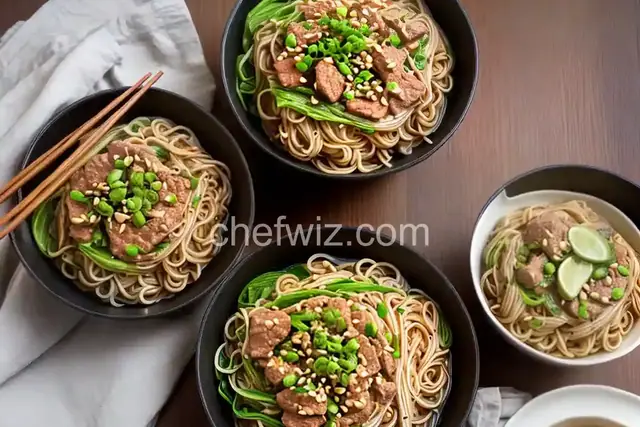
One bite of Dan Dan Noodles, and you'll be transported to a world of flavors. The dish typically consists of noodles topped with a spicy sauce made from chili oil, Sichuan peppercorns, minced pork, and various seasonings. The combination of heat from the chili oil and the numbing sensation from the Sichuan peppercorns creates a unique and addictive flavor profile. It's a perfect balance of spicy, savory, and slightly sweet.
It's not just the flavors that make Dan Dan Noodles a standout dish. The texture of the noodles plays a crucial role in the overall experience. Traditionally, the noodles used are fresh and chewy, adding a delightful bite to each mouthful. The minced pork topping adds a meaty texture, while the garnishes of crushed peanuts and green onions provide a refreshing crunch. It's a symphony of textures that keeps you coming back for more.
Now that you're drooling over the thought of Dan Dan Noodles, let's talk about how you can recreate this delicious dish in the comfort of your own kitchen. While the traditional recipe may require some specialty ingredients, you can easily find substitutes or adapt the recipe to suit your taste. The key is to balance the spice level and flavors to create a dish that satisfies your cravings.
Don't be afraid to put your own spin on Dan Dan Noodles. Experiment with different protein options like chicken or tofu. Add some vegetables for an extra burst of freshness. Adjust the spice level to suit your palate. The beauty of cooking is that you can tailor the dish to your liking and make it your own. So go ahead, get creative, and let your taste buds be your guide.
Dan Dan Noodles are a culinary adventure that combines bold flavors, tantalizing textures, and the perfect amount of spice. Whether you're a spice lover or prefer milder flavors, this dish can be adapted to suit your taste. So why not give it a try and embark on a flavorful journey that will leave your taste buds begging for more?
While Dan Dan Noodles are known for their spiciness, you can adjust the heat level to your liking. You can reduce the amount of chili oil or Sichuan peppercorns if you prefer a milder version.
Absolutely! You can substitute the minced pork with tofu or your choice of vegetables. The sauce and noodles will still provide the same delicious flavors.
Most of the ingredients can be found in Asian grocery stores or online. However, you can also find substitutes or adapt the recipe using ingredients available in your local supermarket.
It's best to enjoy Dan Dan Noodles fresh as they are meant to be served hot. The texture and flavors may not be the same after storing, so it's recommended to make smaller portions for immediate consumption.
The key to a well-balanced sauce is to taste and adjust along the way. Start with a small amount of each ingredient and gradually add more until you achieve the desired flavor. Don't be afraid to experiment and trust your taste buds.
Yes, you can use gluten-free noodles and ensure that the other ingredients you choose are also gluten-free. There are many gluten-free alternatives available in the market that can be used in this dish.
While it's best to serve Dan Dan Noodles immediately, you can prepare the sauce and toppings in advance. Cook the noodles just before serving to ensure they are fresh and retain their texture.
It's not recommended to freeze Dan Dan Noodles as the texture may become mushy after thawing. It's best to enjoy them fresh or refrigerate for a day or two.
AprilCook, recipe developer and the heart of Chefwiz. More about April