Dal
Rate this recipeBe the first to rate
 By AprilPublished
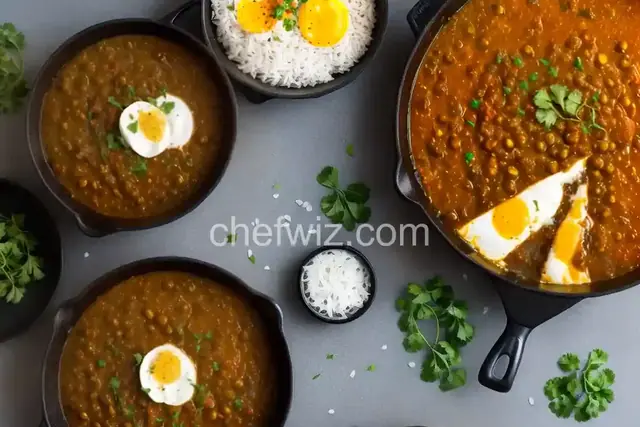
 When it comes to Indian cuisine, one dish that can be found in every household and restaurant is dal.
 By AprilPublished
 When it comes to Indian cuisine, one dish that can be found in every household and restaurant is dal.
Heat the ghee in a large pot and cook the onions until they are wilted, but not browned.
Add the garlic, jalapeno, cumin, lentils, ginger, curry powder, salt, pepper, sugar, and bay leaf to the pot. Saute for 1 to 2 minutes until the herbs and spices become aromatic.
Pour in the tomatoes and deglaze the pot with vinegar.
Add the chicken stock and bring it to a boil. Then, reduce the heat to a simmer and cook until the lentils are tender, stirring occasionally.
Taste the mixture and adjust the seasoning by adding more cumin, salt, pepper, or sugar if desired.
In a large saute pan, combine the black peppercorns, cloves, cardamom seeds, cumin seeds, coriander seeds, cinnamon sticks, and dried red chiles. Toast them slightly over medium heat while stirring constantly.
Turn off the heat and mix in the grated nutmeg.
Transfer the mixture to a food processor and grind it into a fine powder.
Strain the powder through a fine strainer and allow it to cool to room temperature.
Store the aromatic powder in an airtight jar for future use.
When it comes to Indian cuisine, one dish that can be found in every household and restaurant is dal. Considered the heart of Indian cooking, dal is a versatile and nutritious dish that is loved by millions around the world. From its humble origins to its rich flavors, let's dive into the world of dal and discover why it is a staple in Indian cuisine.
Dal, often referred to as lentils or pulses, is a staple in Indian cooking. It is made from dried legumes such as lentils, chickpeas, or beans that are split and husked. These legumes are packed with protein, fiber, and essential nutrients, making dal a healthy addition to any meal.
The history of dal dates back thousands of years. It has been a part of Indian cuisine for centuries and has evolved over time. In ancient India, dal was a common food consumed by both the rich and the poor. It provided a cheap and nutritious source of sustenance for the masses.
Over the years, various regions in India developed their own unique dal recipes. Each region added its own blend of spices and flavors, resulting in a wide variety of dal dishes that are enjoyed today. From the spicy dal makhani of Punjab to the tangy sambar of South India, dal has become an integral part of regional cuisines.
Dal is not just a food; it is a symbol of comfort and nourishment. Just like a warm hug on a cold day, dal provides a sense of warmth and satisfaction. It is often referred to as "Soul Food" because of its ability to bring comfort and contentment to those who enjoy it.
Imagine a bowl of creamy dal, paired with fluffy rice or a crispy roti. The flavors and textures blend together, creating a harmonious dance on your taste buds. The aroma of spices fills the air, inviting you to indulge in a truly satisfying meal. It is no wonder that dal is loved by people of all ages and backgrounds.
One of the remarkable things about dal is its versatility. It can be prepared in numerous ways, each with its own distinct flavor profile. Whether you prefer a simple dal tadka or a rich and creamy dal makhani, there is a dal recipe to suit every palate.
Dal can be enjoyed as a main course or as a side dish. It pairs well with rice, roti, or naan, making it a versatile addition to any meal. It can also be used as a base for soups, stews, and even desserts. The possibilities are endless when it comes to cooking with dal.
Aside from its delicious taste, dal offers a range of health benefits. As mentioned earlier, dal is packed with protein, fiber, and essential nutrients. It is low in fat and cholesterol, making it a heart-healthy choice. Dal is also known to help regulate blood sugar levels and aid in digestion.
The combination of dal and grains, such as rice or roti, provides a complete protein source, making it an excellent choice for vegetarians and vegans. It is a cost-effective way to meet your daily protein requirements without relying on meat or dairy products.
While dal is a simple dish to prepare, a few cooking tips can elevate it to perfection:
By following these tips, you can create a delicious bowl of dal that will leave you craving for more.
Dal is more than just a dish; it is a representation of the rich culinary heritage of India. Its versatility, health benefits, and comforting flavors make it a beloved staple in Indian cuisine. So, the next time you sit down for a meal, don't forget to add a bowl of dal to truly experience the heart of Indian cooking.
Yes, dal is gluten-free as it is made from legumes.
While canned dal is convenient, it is always recommended to use dried lentils for better flavor and texture.
The cooking time for dal varies depending on the type of lentils. It can take anywhere from 20 minutes to an hour.
Dal and dhal are two different spellings for the same dish. The spelling may vary depending on the region or personal preference.
Yes, leftover dal can be frozen and reheated later. Just make sure to store it in an airtight container.
Yes, adding vegetables such as spinach, tomatoes, or carrots can enhance the flavor and nutritional value of dal.
Red lentils or masoor dal are commonly used for making soups due to their quick cooking time and smooth texture.
Yes, dal can be used to make sweet dishes such as moong dal halwa or chana dal kheer.
With these FAQs, you are now equipped with the knowledge to explore the world of dal and enjoy its delicious flavors.
AprilCook, recipe developer and the heart of Chefwiz. More about April