Dairy-Free "Parmesan" Cheese
Rate this recipeBe the first to rate
 By AprilPublished
 Are you lactose intolerant or follow a vegan diet? Do you miss the tangy, umami flavor of Parmesan cheese?
 By AprilPublished
 Are you lactose intolerant or follow a vegan diet? Do you miss the tangy, umami flavor of Parmesan cheese?
Place the cashews, nutritional yeast, garlic powder, and salt into a blender or food processor.
Pulse the ingredients together until they form a fine crumb-like consistency, similar to freshly grated Parmesan cheese. Repeat this step about 10 times.
Transfer the mixture into an airtight container.
Refrigerate the container to store the mixture for up to 3 weeks.
Are you lactose intolerant or follow a vegan diet? Do you miss the tangy, umami flavor of Parmesan cheese? Look no further! In this article, we'll explore the world of dairy-free "Parmesan" cheese and discover how you can enjoy this tasty alternative without compromising on flavor or texture.
Dairy-free "Parmesan" cheese is a plant-based alternative to traditional Parmesan cheese that is made without any dairy or animal products. It offers a similar taste and texture to the real thing, making it the perfect substitute for those who can't or choose not to consume dairy.
There are several methods for making dairy-free "Parmesan" cheese, but most recipes use nuts, seeds, or nutritional yeast as the base ingredient. These ingredients are blended together with other flavorings and seasonings to create a cheese-like consistency and flavor.
Many dairy-free "Parmesan" cheese recipes use nuts or seeds as the main ingredient. Cashews, almonds, and sunflower seeds are popular choices. These ingredients are soaked, then blended with nutritional yeast, salt, and other seasonings to create a creamy and flavorful cheese alternative.
Nutritional yeast, often referred to as "nooch," is a deactivated yeast that is rich in nutrients and adds a cheesy, nutty flavor to dairy-free "Parmesan" cheese. It is a staple ingredient in many vegan and dairy-free recipes.
There are several reasons why you might choose to incorporate dairy-free "Parmesan" cheese into your diet:
If you are lactose intolerant or follow a dairy-free or vegan diet, dairy-free "Parmesan" cheese allows you to enjoy the flavors and textures of traditional Parmesan cheese without the negative side effects or ethical concerns.
Dairy-free "Parmesan" cheese is often lower in calories and saturated fat than traditional Parmesan cheese. It also provides a good source of plant-based protein, healthy fats, and essential vitamins and minerals.
Choosing dairy-free "Parmesan" cheese reduces your carbon footprint and contributes to a more sustainable food system. Dairy production is resource-intensive and has a significant impact on greenhouse gas emissions. Opting for plant-based alternatives helps mitigate these environmental concerns.
Dairy-free "Parmesan" cheese can be used in a variety of dishes to add a burst of cheesy goodness. Here are a few ideas:
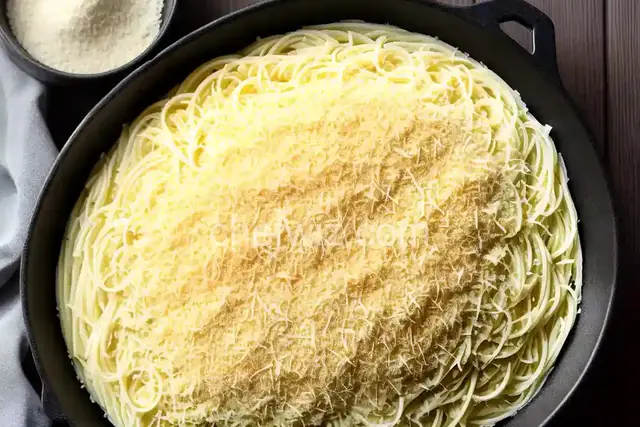
Sprinkle dairy-free "Parmesan" cheese on top of your favorite pasta dishes for an extra layer of flavor. It pairs perfectly with tomato-based sauces, pesto, or creamy Alfredo.
Add a sprinkle of dairy-free "Parmesan" cheese to your salads for a touch of savory goodness. It works well with leafy greens, roasted vegetables, and even fruit salads.
Top your vegan pizzas with dairy-free "Parmesan" cheese to achieve that classic cheesy taste. It will melt beautifully and add a delightful tang to your homemade pies.
Stir dairy-free "Parmesan" cheese into your soups and stews for added richness and depth of flavor. It works wonders in tomato soup, minestrone, or hearty vegetable stews.
Dairy-free "Parmesan" cheese is a delicious and versatile alternative to traditional Parmesan cheese. Whether you have dietary restrictions, are health-conscious, or want to make more environmentally friendly choices, dairy-free "Parmesan" cheese offers a satisfying and flavorful solution. So go ahead, sprinkle it on your pasta, salads, and pizzas, and savor the cheesy goodness guilt-free!
No, as most dairy-free "Parmesan" cheese recipes use nuts as a base ingredient, it is not suitable for those with nut allergies. However, there are nut-free alternatives available that use seeds or other ingredients.
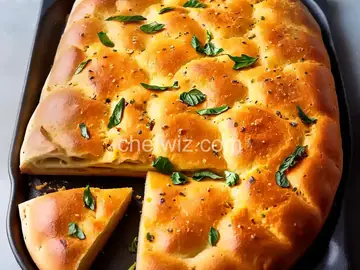
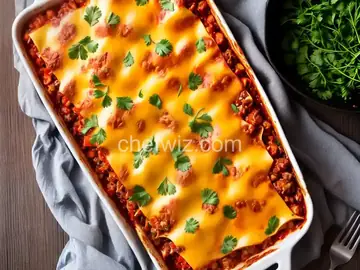
Yes, you can use dairy-free "Parmesan" cheese in baking. It can be sprinkled on top of casseroles, bread, or savory pastries to add a cheesy flavor.
The shelf life of dairy-free "Parmesan" cheese varies depending on the ingredients used. It is best to refer to the package instructions or recipe for storage recommendations.
Yes, dairy-free "Parmesan" cheese can be frozen. It is recommended to store it in an airtight container or freezer bag to maintain its quality.
Dairy-free "Parmesan" cheese has a similar taste and texture to real Parmesan, but it may have slight variations due to the different ingredients used. However, it is a delicious alternative that can satisfy your cheesy cravings.
Yes, you can make dairy-free "Parmesan" cheese at home. There are numerous recipes available online that cater to different dietary preferences and taste preferences.
Dairy-free "Parmesan" cheese can be found in health food stores, specialty grocery stores, and online retailers. It is often located in the vegan or dairy-free section.
In most cases, dairy-free "Parmesan" cheese can be used as a one-to-one substitute for real Parmesan in recipes. However, it's always best to check the specific recipe and adjust accordingly to achieve the desired flavor and consistency.
AprilCook, recipe developer and the heart of Chefwiz. More about April