Curry Powder
Rate this recipeBe the first to rate
 By AprilPublished
 Have you ever wondered what gives Indian cuisine its distinct and tantalizing flavor?
 By AprilPublished
 Have you ever wondered what gives Indian cuisine its distinct and tantalizing flavor?
Combine all spices in a skillet and place it on low heat.
Stir the spices continuously until they become fragrant, which should take around 30 seconds to 1 minute.
Immediately transfer the toasted spices to a baking sheet and allow them to cool completely.
Once cooled, use the spices as desired or store them in an airtight jar.
Have you ever wondered what gives Indian cuisine its distinct and tantalizing flavor? The secret lies in the aromatic and vibrant spice blend known as curry powder. This heavenly blend of spices adds depth, warmth, and complexity to a variety of dishes, making it a staple in kitchens around the world. In this article, we'll explore the origins of curry powder, its versatile uses, and why it's a must-have in every spice rack.
Contrary to popular belief, curry powder is not a traditional Indian spice mix. It was actually created by the British during their colonial rule in India. The British sought to recreate the flavors they encountered in Indian cuisine, but in a more convenient form. Thus, curry powder was born.
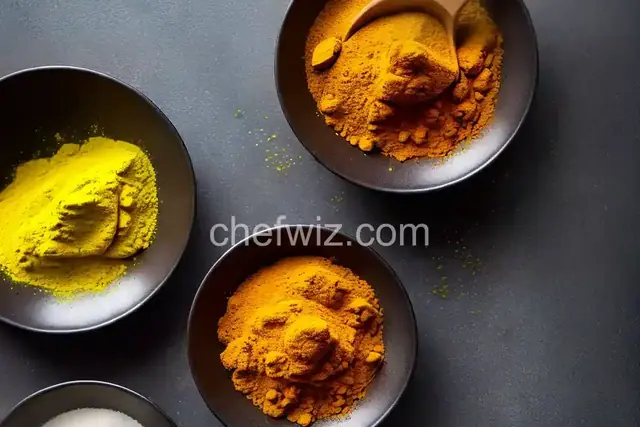
Curry powder typically consists of a blend of spices such as coriander, cumin, turmeric, fenugreek, and red pepper. However, the exact composition can vary depending on regional preferences and personal taste.
Curry powder is incredibly versatile and can be used in a myriad of dishes. Its complex flavor profile adds depth and richness to curries, stews, soups, and even marinades. Sprinkle it on roasted vegetables or use it as a rub for grilled meats to elevate their taste to a whole new level. The possibilities are endless!
One of the greatest advantages of using curry powder is that it allows you to experiment with different flavors and create unique dishes. You can adjust the amount of curry powder based on your preference for a milder or spicier taste.
Imagine a burst of flavors dancing on your taste buds with every bite. That's exactly what curry powder brings to the table. The combination of aromatic spices creates a symphony of flavors that is both comforting and exciting.
Just like a skilled conductor expertly orchestrates a musical performance, curry powder harmonizes the individual flavors of various spices to create a cohesive and delightful experience.
Think of curry powder as the Picasso of spices. It's a masterpiece that adds color, depth, and character to any dish it graces. Just as Picasso's art breaks free from traditional boundaries, curry powder breaks free from the constraints of a single spice, opening up a world of culinary possibilities.
Whether you're a seasoned chef or a novice in the kitchen, curry powder empowers you to create art on a plate, transforming ordinary meals into extraordinary feasts.
Curry powder is a treasure trove of flavors that adds depth and complexity to dishes. Its versatility and ability to transform ordinary ingredients into culinary masterpieces make it a must-have in any kitchen. So, why not embark on a culinary adventure and unleash the magic of curry powder in your cooking? Your taste buds will thank you!
No, not necessarily. The level of spiciness in curry powder can vary depending on the blend and the amount used. Some curry powders are mild, while others are hot and fiery. It's best to start with a small amount and adjust to your taste.
Absolutely! Curry powder is a versatile spice blend that can add a burst of flavor to various cuisines. It pairs well with roasted vegetables, grilled meats, soups, and even dips. Don't be afraid to get creative and experiment!
Yes, you can! Making your own curry powder allows you to customize the blend according to your preference. Simply combine your favorite spices in the desired proportions and grind them into a fine powder using a spice grinder or mortar and pestle.
Curry powder, like any other spice, will lose its potency over time. It's best to use it within six months to a year for optimal flavor. Store it in an airtight container in a cool, dark place to prolong its shelf life.
Curry powder is typically gluten-free. However, it's always essential to check the label, as some brands may add fillers or ingredients that contain gluten. If you have a gluten intolerance or allergy, opt for a certified gluten-free curry powder.
While curry powder and curry paste both add flavor to dishes, they are not interchangeable. Curry powder is a dry spice blend, whereas curry paste is a wet mixture made from fresh ingredients. The two have different textures and taste profiles.
Curry powder contains various spices that are known for their health benefits. Turmeric, a key ingredient in curry powder, has powerful anti-inflammatory properties. Additionally, the blend may aid digestion, boost metabolism, and provide antioxidant support.
Yes, there are different types of curry powders available, each with its unique flavor profile. Some popular variations include Madras curry powder, Thai curry powder, and Japanese curry powder. Explore different blends to discover your favorite!
AprilCook, recipe developer and the heart of Chefwiz. More about April