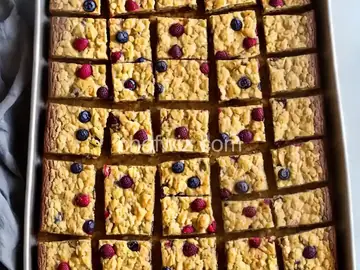
Currant Scones
Rate this recipeBe the first to rate
 By AprilPublished
 Are you looking for a delightful treat to enjoy with your morning tea or coffee?
 By AprilPublished
 Are you looking for a delightful treat to enjoy with your morning tea or coffee?
Preheat the oven to 400 degrees F (200 degrees C).
Line a baking sheet with parchment paper.
In a bowl, cover the currants with warm water and set aside to moisten.
In the bowl of a stand mixer, sift together the flour, baking powder, and baking soda.
Using the paddle attachment on low speed, mix the white sugar and salt into the flour mixture.
Add the unsalted butter to the mixer bowl and mix on low speed until the butter cubes reduce to the size of small peas, about 30 seconds.
Drain the currants and discard the soaking water. Mix the currants, buttermilk, and lemon zest into the flour mixture on low speed just until the dough starts to hold together.
Turn the dough out onto a lightly floured work surface and gently shape it into a rectangle that is 18 inches long, 5 inches wide, and 1 1/2 inches thick.
Brush the dough with melted butter and sprinkle it with sugar crystals.
Using a sharp knife, cut the dough in half crosswise. Then, cut each half into thirds and cut each third diagonally to make 12 triangular-shaped scones.
Place the scones on the prepared baking sheet.
Bake in the preheated oven for about 18 minutes or until the scones are lightly golden brown.
Enjoy the s
Are you looking for a delightful treat to enjoy with your morning tea or coffee? Look no further than currant scones! These delicious pastries are the perfect combination of flaky texture and sweet, tart currants. In this article, we'll explore everything you need to know about currant scones, from their history to tips for making them at home.
Did you know that scones have been enjoyed for centuries? Originally hailing from Scotland, these baked goods have made their way around the world, each region adding its own unique twist. Currant scones, in particular, gained popularity in England, where they became a staple in afternoon tea culture.
Imagine biting into a warm scone, its buttery aroma wafting through the air. As you take your first bite, the delicate crumb gives way to the burst of sweetness from the currants. It's a symphony of flavors that delights your taste buds and leaves you craving more.
Creating the perfect batch of currant scones requires a few key tips and tricks. First, make sure your butter is cold and cut into small pieces. This will help create those flaky layers that make scones so irresistible. Additionally, don't overmix the dough – a light touch is essential to avoid tough scones. Finally, sprinkle a bit of sugar on top before baking for a sweet, crunchy finish.
Currant scones are a delightful pastry that brings together the best of both worlds – flaky texture and bursts of sweetness. Whether enjoyed with your morning tea or as an afternoon snack, these scones are sure to satisfy your cravings. Experiment with different fruits, freeze them for later, or make savory variations – the possibilities are endless. So, grab your apron and get ready to bake your way to scone perfection!
Absolutely! While currants provide a unique flavor, you can experiment with other dried fruits such as raisins or cranberries. Get creative and find your favorite combination!
Yes, you can freeze currant scones. Simply place them in an airtight container or freezer bag and store them for up to three months. When ready to enjoy, thaw them at room temperature or reheat in the oven for a few minutes.
Absolutely! While currant scones are typically sweet, you can easily adapt the recipe to create savory scones. Swap the currants for cheese, herbs, or even bacon for a delicious twist.
Not at all! Making currant scones requires only basic kitchen tools like a mixing bowl, a pastry cutter or two knives, and a baking sheet. It's a simple recipe that anyone can master.
Yes, you can! There are many gluten-free flour blends available that can be used as a substitute for regular flour. Just be sure to follow a gluten-free recipe for best results.
Certainly! You can easily make vegan currant scones by using plant-based butter and milk substitutes. There are plenty of delicious vegan options available to cater to your dietary preferences.
Currant scones are best enjoyed fresh, ideally on the day they are baked. However, you can store them in an airtight container at room temperature for up to two days. Just warm them up slightly before serving for that fresh-baked taste.
Of course! While currant scones are delicious on their own, you can certainly add a glaze or icing for an extra touch of sweetness. Drizzle a simple powdered sugar glaze or a tangy lemon icing over the cooled scones for a delightful treat.
While currant scones are undeniably delicious, they are a treat best enjoyed in moderation. They are higher in calories and sugar compared to some other breakfast options. However, you can make healthier adaptations by using whole wheat flour, reducing the sugar, and adding nutritious ingredients like oats or nuts.
AprilCook, recipe developer and the heart of Chefwiz. More about April