Cucumber Tabbouleh
Rate this recipeBe the first to rate
 By AprilPublished
 Are you looking for a refreshing and healthy dish to add to your repertoire?
 By AprilPublished
 Are you looking for a refreshing and healthy dish to add to your repertoire?
In a large bowl, mix together bulgur and boiling water. Allow it to soak for 1 hour, then cover and set aside.
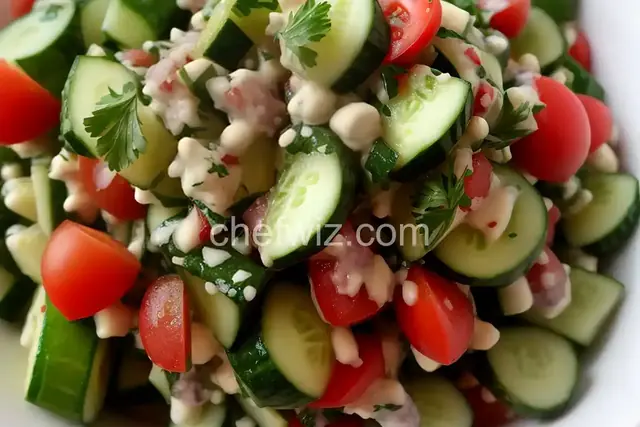
Add oil, lemon juice, onions, parsley, mint, tomatoes, and cucumber to the bowl. Mix everything together.
Season the mixture with salt and black pepper according to your taste.
Cover the bowl and refrigerate it for at least 1 hour to allow the flavors to meld together.
Are you looking for a refreshing and healthy dish to add to your repertoire? Look no further than cucumber tabbouleh! This Middle Eastern salad is packed with flavor and nutrients, making it the perfect addition to any meal. In this article, we will explore the origins of tabbouleh, discuss its health benefits, and provide tips on how to make this delicious dish. Let's dive in!
Tabbouleh, also spelled tabouli, is a traditional Middle Eastern salad that originated in Lebanon. It is made with bulgur wheat, parsley, mint, tomatoes, onions, lemon juice, and olive oil. Tabbouleh has been enjoyed in the Levant region for centuries and has since gained popularity worldwide. Its fresh and tangy flavors make it a versatile dish that can be enjoyed as a side or a main course.
Not only is tabbouleh delicious, but it also offers numerous health benefits. Let's take a look at some of the key ingredients and their nutritional advantages:
Parsley is one of the main ingredients in tabbouleh and is rich in vitamins A, C, and K. It also contains antioxidants that help protect against oxidative stress in the body. Additionally, parsley is a natural diuretic, which can aid in digestion and promote healthy kidney function.
Tomatoes are a great source of vitamins A and C, as well as potassium and lycopene. Lycopene is an antioxidant that has been linked to a reduced risk of certain types of cancer. Tomatoes also contain fiber, which is essential for maintaining a healthy digestive system.
Mint not only adds a refreshing flavor to tabbouleh but also offers several health benefits. It aids in digestion, soothes stomach discomfort, and may help relieve symptoms of irritable bowel syndrome (IBS). Mint is also known for its calming properties and can promote relaxation.
Now that we've explored the origins and health benefits of tabbouleh, let's dive into how to make this delicious dish. Follow these simple steps:
Start by soaking the bulgur wheat in water for about 20 minutes or until it becomes tender. Drain any excess water and set aside.
Next, finely chop the parsley, mint, tomatoes, and onions. You can adjust the quantities of each ingredient to suit your taste preferences.
In a large bowl, combine the soaked bulgur wheat, chopped vegetables, lemon juice, and olive oil. Mix well until all the ingredients are evenly coated.
Add salt, pepper, and any additional spices or herbs of your choice to taste. Refrigerate the tabbouleh for at least 30 minutes before serving to allow the flavors to meld together.
Cucumber tabbouleh is a versatile and nutritious dish that can be enjoyed as a refreshing salad or a light main course. Its combination of fresh herbs, crisp cucumbers, and tangy lemon juice makes it a crowd-pleaser at any gathering. Whether you're looking to incorporate more vegetables into your diet or simply want to try something new, tabbouleh is a fantastic choice. Give it a try and savor the flavors of the Middle East!
A1: Yes, you can substitute quinoa for bulgur wheat in tabbouleh. Quinoa is a gluten-free grain that offers similar nutritional benefits to bulgur wheat. Simply cook the quinoa according to package instructions and use it as a replacement in the recipe.
A2: Yes, tabbouleh can be made in advance. In fact, it tastes even better after the flavors have had time to meld together. Store it in an airtight container in the refrigerator for up to three days.
A3: Absolutely! While the traditional tabbouleh recipe calls for parsley, mint, tomatoes, and onions, you can get creative and add other vegetables as well. Some popular additions include cucumbers, bell peppers, and radishes.
A4: Yes, tabbouleh is a vegan-friendly dish. It is made with plant-based ingredients and does not contain any animal products. It's a great option for those following a vegan or vegetarian diet.
A5: While fresh herbs provide the best flavor in tabbouleh, you can use dried herbs if fresh ones are not available. Just remember to adjust the quantities accordingly, as dried herbs are more concentrated in flavor.
A6: Tabbouleh is typically made with bulgur wheat, which contains gluten. However, you can make a gluten-free version by substituting the bulgur wheat with quinoa or another gluten-free grain.
A7: Yes, you can add protein to tabbouleh to make it a more substantial meal. Some popular protein additions include chickpeas, grilled chicken, or feta cheese for a vegetarian option.
A8: Absolutely! Tabbouleh pairs well with a variety of dishes. It can be served alongside grilled meats, as a filling
AprilCook, recipe developer and the heart of Chefwiz. More about April