Cuban Ropa Vieja
Rate this recipeBe the first to rate
 By AprilPublished
 Welcome to the vibrant world of Cuban cuisine! Today, we're going to delve into the mouthwatering flavors of Cuban Ropa Vieja.
 By AprilPublished
 Welcome to the vibrant world of Cuban cuisine! Today, we're going to delve into the mouthwatering flavors of Cuban Ropa Vieja.
Begin by heating vegetable oil in a spacious skillet on medium-high heat.
Add the flank steak to the skillet and cook it until it turns brown on each side, which should take around 4 minutes per side.
Next, transfer the cooked steak into a slow cooker.
Pour in beef broth and tomato sauce into the slow cooker.
Add tomato paste, bell pepper, onion, garlic, cumin, cilantro, olive oil, and vinegar to the slow cooker, and make sure to mix everything thoroughly.
Cover the slow cooker and set it on Low heat for a maximum of 10 hours, or alternatively, set it on High heat for 4 hours.
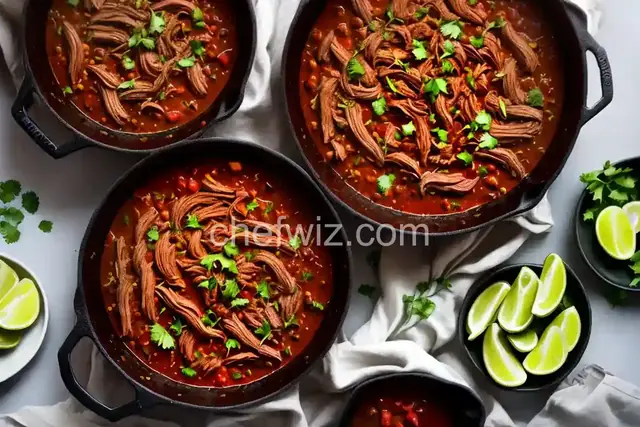
When the cooking time is complete, use two forks to shred the steak directly in the slow cooker.
Welcome to the vibrant world of Cuban cuisine! Today, we're going to delve into the mouthwatering flavors of Cuban Ropa Vieja. If you're a food enthusiast, a lover of exotic tastes, or simply someone looking to try something new, then you're in for a treat. Get ready to embark on a culinary journey through the heart and soul of Cuba!
Let's start with the basics. Ropa Vieja, which literally translates to "old clothes" in Spanish, is a traditional Cuban dish that has captured the hearts of both locals and visitors alike. It's a flavorful and tender shredded beef dish that is sure to leave you craving for more.
Legend has it that Ropa Vieja got its name from a poor old man who couldn't afford to buy food for his family. In a desperate attempt to feed them, he took his tattered clothes and cooked them with whatever ingredients he had. Miraculously, his clothes transformed into a deliciously savory beef dish that became a staple in Cuban cuisine.
One of the secrets to the delectable taste of Ropa Vieja lies in the slow-cooking process. Just like a symphony that takes time to reach its crescendo, this dish requires patience and careful attention. The beef is simmered for hours in a rich tomato-based sauce, allowing the flavors to meld together and create a harmonious melody of tastes.
Imagine tender shreds of beef, infused with a medley of spices and aromatics, inviting you to take a bite. The slow-cooking process ensures that every fiber of the meat absorbs the flavors, resulting in a succulent and melt-in-your-mouth experience.
What sets Cuban Ropa Vieja apart from other beef dishes is its unique blend of flavors. The tanginess of the tomatoes, the sweetness of the bell peppers, and the subtle heat from the spices come together to create a symphony of taste that dances on your palate.
Just like a well-rehearsed orchestra, each ingredient plays its part to perfection. The bell peppers add a touch of sweetness, while the onions provide a savory base. The garlic adds a pungent note that lingers, and the spices elevate the dish to new heights.
Now that you're salivating at the thought of Cuban Ropa Vieja, let's talk about how to enjoy this culinary masterpiece. Traditionally, Ropa Vieja is served with fluffy white rice and black beans, creating a symphony of colors on your plate.
For a truly authentic experience, you can also serve it with fried plantains, which add a touch of sweetness and crispy texture. The contrast between the tender beef and the crunchy plantains is a match made in culinary heaven.
Don't forget to garnish your plate with some fresh cilantro or parsley, which adds a burst of freshness to the dish. And if you're feeling adventurous, a squeeze of lime can take the flavors to a whole new level.
Cuban Ropa Vieja is more than just a dish; it's a celebration of the rich cultural heritage of Cuba. From its humble origins to its enchanting flavors, every bite tells a story of resilience, creativity, and passion. So, the next time you want to embark on a culinary adventure, why not give Ropa Vieja a try? Let your taste buds travel to the vibrant streets of Cuba and savor the magic of this timeless dish.
While beef is traditionally used in Ropa Vieja, you can experiment with other meats like chicken or pork. Just keep in mind that the cooking time may vary, so adjust accordingly.
The level of spiciness in Ropa Vieja can be adjusted according to your taste. If you prefer a milder version, you can reduce the amount of spices or omit the chili peppers.
Absolutely! Using a pressure cooker can significantly reduce the cooking time without compromising the flavors. Just follow the instructions for your specific pressure cooker model.
Ropa Vieja tastes even better the next day as the flavors have had time to develop and intensify. You can make it in advance and reheat it when you're ready to enjoy a delicious meal.
Yes, Ropa Vieja is naturally gluten-free as it doesn't contain any wheat-based ingredients. However, it's always a good idea to double-check the ingredients you use, especially if you have specific dietary restrictions.
Absolutely! Ropa Vieja freezes well, making it a convenient option for meal prep or leftovers. Just make sure to cool it down completely before transferring it to an airtight container or freezer bag.
While Ropa Vieja traditionally includes bell peppers and onions, you can certainly add other vegetables of your choice. Carrots, peas, or even corn can add extra color and texture to the dish.
Ropa Vieja can have a mild to moderate level of spiciness, depending on the amount of chili peppers you use. If you prefer a spicier version, you can increase the quantity of chili peppers or add some hot sauce to amp up the heat.
AprilCook, recipe developer and the heart of Chefwiz. More about April