Crostoli Pastries
Rate this recipeBe the first to rate
 By AprilPublished
 Are you craving a sweet treat that is light, crispy, and perfect for any occasion?
 By AprilPublished
 Are you craving a sweet treat that is light, crispy, and perfect for any occasion?
Using an electric mixer on high speed, beat together salt, sugar, and eggs until the mixture becomes very fluffy.
Stir in evaporated milk, vanilla extract, and rum.
Gradually add flour and knead well with a dough hook until the dough starts to blister, which should take around 10 minutes.
If the dough is still sticking to the bowl after 5 minutes, mix in 2 tablespoons of additional flour, adding half a tablespoon at a time.
Remove the dough from the bowl and cover it with plastic wrap. Let it sit for 20 minutes.
Pour oil into a deep fryer or Dutch oven, filling it to a depth of 2 inches. Heat the oil over medium heat until it reaches a temperature of 350 degrees F (175 degrees C).
Separate the dough into small portions.
On a lightly floured surface, roll out the dough portions until they become very thin.
Cut the rolled-out dough into long, narrow strips measuring about 6 inches by 1 inch.
Using a sharp knife, make a slit in the center of each strip and draw one end through the slit.
Fry the dough strips in the hot oil until they become puffy, blistered, and a very light golden brown color, which should take approximately 1 to 2 minutes.
Remove the fried dough strips from the oil and place them on paper towels to cool.
Are you craving a sweet treat that is light, crispy, and perfect for any occasion? Look no further than crostoli pastries! These delicious pastries are a popular Italian dessert that will satisfy your sweet tooth and leave you wanting more. In this article, we will explore the world of crostoli pastries, their history, and why they are so loved by many.
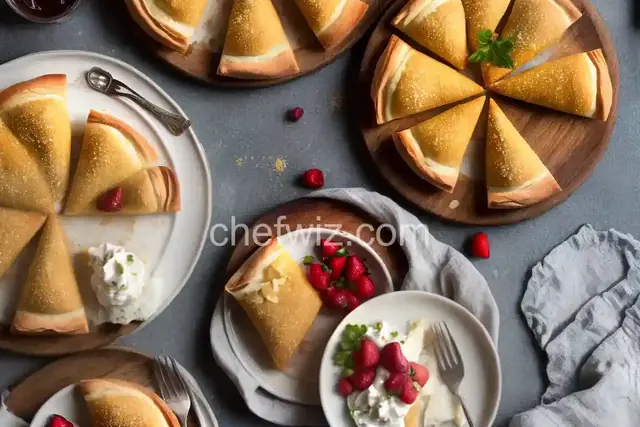
Crostoli pastries, also known as chiacchiere, are thin strips of fried dough that are typically dusted with powdered sugar. They are often made during festive occasions like Christmas and Carnival in Italy. These delectable treats have a light and airy texture, similar to that of a crispy cookie or fried doughnut.
The origins of crostoli pastries can be traced back to ancient Rome, where they were known as "frictilia." These early versions of crostoli were made with honey and were a popular sweet treat during festivals and celebrations. Over time, the recipe evolved, and different regions in Italy began adding their own unique twists to the dough.
Depending on the region in Italy, crostoli pastries can go by different names and have slight variations in their preparation. For example, in Venice, they are called "galani" and are often flavored with lemon zest or orange blossom water. In Tuscany, they are known as "cenci" and are sometimes filled with cream or chocolate.
Making crostoli pastries is a labor of love, but the end result is well worth the effort. The dough is typically made with flour, eggs, sugar, and butter. It is then rolled out thinly, cut into strips or shapes, and deep-fried until golden brown and crispy. Once fried, the pastries are drained and dusted with powdered sugar. The result is a delightful treat that is perfect for sharing with family and friends.
There are several reasons why crostoli pastries have captured the hearts and taste buds of many dessert lovers:
Crostoli pastries are a delightful Italian dessert that has stood the test of time. With their light and crispy texture, they are a treat that is loved by many. Whether you enjoy them plain or with a dusting of powdered sugar, crostoli pastries are sure to satisfy your sweet tooth. So why not give them a try and experience the joy of these delectable treats for yourself?
Yes, you can freeze crostoli pastries. Just make sure to store them in an airtight container or freezer bag to maintain their freshness.
Yes, you can make crostoli pastries without eggs. There are several vegan-friendly recipes available that use alternative ingredients like flaxseed or applesauce.
Crostoli pastries are best enjoyed fresh, but they can stay crispy for up to a week when stored in an airtight container.
Absolutely! Adding flavors like vanilla or almond extract can enhance the taste of your crostoli pastries. Just be sure to adjust the quantities accordingly.
Traditional crostoli pastries are not gluten-free as they are made with wheat flour. However, there are gluten-free alternatives available that use ingredients like rice flour or almond flour.
While frying is the traditional method of preparing crostoli pastries, you can experiment with baking them in the oven for a healthier alternative. The texture may differ slightly, but they will still be delicious.
Yes, you can add fillings to crostoli pastries. Some popular options include Nutella, jam, or pastry cream. Just make sure to seal the edges properly to prevent any leakage during frying.
Yes, you can reheat crostoli pastries in the oven or microwave. However, they are best enjoyed fresh and crispy.
AprilCook, recipe developer and the heart of Chefwiz. More about April