Creme Anglaise II
Rate this recipeBe the first to rate
 By AprilPublished
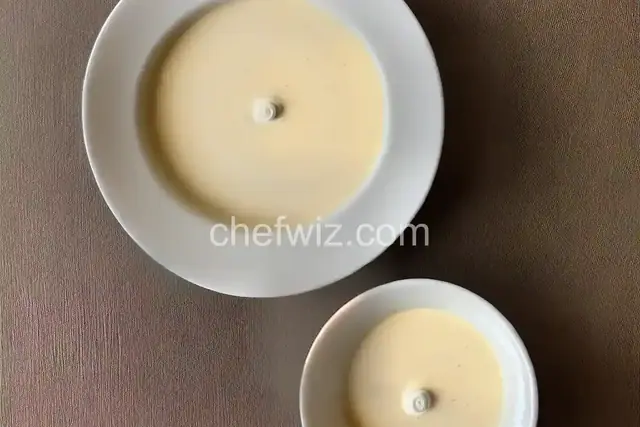
 Have you ever wondered how to make a smooth and creamy creme anglaise?
 By AprilPublished
 Have you ever wondered how to make a smooth and creamy creme anglaise?
Heat a saucepan over medium heat and combine half-and-half, 1/4 cup sugar, and a vanilla bean.
In a separate bowl, whisk together egg yolks and the remaining 1/4 cup sugar until the mixture is smooth.
Once the cream mixture in the saucepan comes to a boil, remove it from the heat and take out the vanilla bean.
Whisk a small amount of the hot cream into the egg yolk mixture, then pour the egg yolk mixture into the remaining hot cream and whisk until smooth.
Return the mixture to medium heat and cook while stirring until it coats the back of a metal spoon.
Remove the mixture from the heat and stir in the butter.
The dish can be served warm or cold.
Have you ever wondered how to make a smooth and creamy creme anglaise? Look no further! In this article, we will explore the secrets behind creating the perfect creme anglaise. Whether you're a professional chef or a home cook, this versatile sauce is sure to elevate your desserts to the next level.
Creme anglaise, also known as English cream, is a classic French dessert sauce made from a delicate combination of milk, sugar, eggs, and vanilla. It is commonly used as a base for custards, ice creams, or simply drizzled over fresh fruits or desserts. The key to a successful creme anglaise lies in achieving the right consistency and texture.
One of the most important steps in making creme anglaise is tempering the eggs. Tempering is the process of gradually raising the temperature of the eggs to prevent them from curdling when mixed with the hot milk. It's like finding the perfect balance in life - too much heat too soon, and things can go awry.
Tempering is a delicate dance between hot and cold. To do this, you slowly add the hot milk to the beaten eggs while constantly whisking. This gradual introduction of heat ensures that the eggs warm up slowly and evenly, resulting in a smooth and silky sauce.
Vanilla is the star of the show when it comes to creme anglaise. Its sweet and floral aroma adds depth and complexity to the sauce. Just like a touch of vanilla can transform a plain cake into a masterpiece, it has the power to elevate creme anglaise to new heights.
When choosing vanilla for your creme anglaise, opt for high-quality vanilla extract or, even better, use a vanilla bean. The tiny black seeds inside the vanilla bean add a visual appeal and intense flavor that cannot be replicated. It's like the difference between listening to music on a cheap speaker and experiencing a live concert.
To infuse the milk with the vanilla flavor, split open a vanilla bean and scrape out the seeds. Add the seeds and the bean to the milk and gently heat it until it reaches a simmer. Allow the vanilla to steep in the hot milk for a few minutes, allowing its essence to permeate the liquid.
The texture of creme anglaise should be smooth and velvety, without any lumps or graininess. Achieving this requires patience and precision in the cooking process.
Cook the creme anglaise over low heat, stirring constantly to prevent it from sticking or scorching. The low heat allows the eggs to cook gradually, creating a creamy texture. It's like enjoying a leisurely stroll in the park instead of rushing through a crowded street.
One way to test if your creme anglaise has reached the desired consistency is by using the "nappe" technique. Dip a spoon into the sauce, then run your finger along the back of the spoon. If the sauce leaves a clean line without dripping, it has reached the perfect consistency. It's like finding that sweet spot when pouring syrup on pancakes - not too thick, not too thin.
Now that you have unlocked the secrets behind a perfect creme anglaise, it's time to put your newfound knowledge to use. Experiment with different flavors, add a splash of liqueur, or serve it alongside your favorite desserts. With the right technique and a touch of creativity, you can create a creme anglaise that will leave your taste buds dancing with joy.
Yes, you can use alternatives such as cornstarch, arrowroot, or agar-agar to thicken the sauce if you prefer not to use eggs.
Creme anglaise can be stored in the refrigerator for up to three days. Just make sure to cover it properly to prevent any unwanted flavors or odors from seeping in.
Yes, you can freeze creme anglaise for up to three months. However, it may change in texture slightly after thawing, so it's best to consume it fresh if possible.
Yes, you can gently reheat creme anglaise over low heat, stirring constantly to prevent it from curdling. Be careful not to overheat it, as it can cause the sauce to separate.
Absolutely! You can experiment with different flavors such as chocolate, coffee, or citrus zest to add a unique twist to your creme anglaise.
While creme anglaise is traditionally used in sweet dishes, there's no harm in getting creative! You can try using it as a drizzle for roasted meats or as a creamy base for savory sauces.
Yes, you can use vanilla extract as a substitute for a vanilla bean. Just remember to use a high-quality extract for the best flavor.
Yes, you can prepare creme anglaise in advance and refrigerate it until needed. Just give it a good whisk before serving to ensure a smooth consistency.
AprilCook, recipe developer and the heart of Chefwiz. More about April