Cream Pan (Custard Buns)
Rate this recipeBe the first to rate
 By AprilPublished
 Are you a fan of sweet and fluffy buns filled with creamy custard?
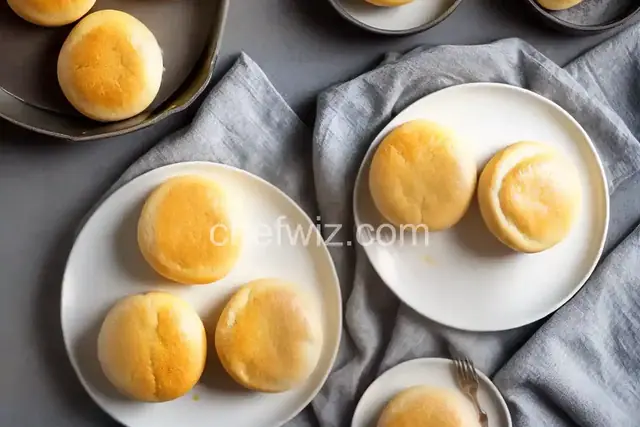 By AprilPublished
 Are you a fan of sweet and fluffy buns filled with creamy custard?
In a saucepan, combine Egg Yolks and Sugar, mixing well.
Add Flour and mix until combined.
Pour in warmed Milk and mix until well combined.
Cook over medium to low heat, stirring constantly, until the custard comes to a boil and thickens.
Alternative Microwave Method:
In a heat-proof bowl, whisk all the ingredients together until well combined.
Cook in the microwave on medium power (around 500W) for 2 minutes.
Remove from the microwave, mix well, then cook again for another 2 minutes on medium power.
Mix well again, and cook for an additional 1 minute.
Mix well once more.
To Make Bread Dough:
Heat Milk and Sugar in the microwave for 30 seconds.
Once warm, add Yeast and mix well.
In a large bowl, combine Bread Flour, Caster Sugar, and Salt.
Create a well in the center and pour in the yeast mixture, half of the lightly whisked Egg, and softened Butter.
Mix well to form a soft dough.
Knead the dough for 2 to 3 minutes, adding extra flour if needed, until it becomes smooth and elastic.
Cover the dough with plastic wrap and set it aside in a warm place for 1 hour or until it doubles in size.
To Make Buns:
1
Are you a fan of sweet and fluffy buns filled with creamy custard? If so, then you're in for a treat with cream pan, also known as custard buns. These delightful pastries have a soft, pillowy exterior and a luscious custard filling that will leave you craving for more. In this article, we'll explore the origins of cream pan, the art of making them, and why they have become a beloved treat worldwide. So, grab a cup of coffee and get ready to dive into the world of cream pan!
Like many other popular pastries, cream pan has its roots in Japan. It is believed to have been introduced by a bakery called Kimuraya, located in Tokyo, in the early 20th century. The bakery's founder, Kimura Yasubei, experimented with different bread recipes until he came up with the perfect combination of soft bread and creamy custard. The result was cream pan, a delicacy that soon gained popularity among locals and tourists alike.
Creating the perfect cream pan requires skill and precision. The bread dough must be kneaded and proofed to achieve that soft and fluffy texture. Once the dough has risen, it is carefully shaped into individual buns and filled with a rich and creamy custard. The buns are then baked until golden brown, resulting in a delightful combination of crispy exterior and creamy interior.
Making cream pan is a labor of love, with each step requiring careful attention to detail. The result is a pastry that not only looks beautiful but also tastes heavenly. Whether enjoyed as a breakfast treat or an afternoon snack, cream pan is sure to satisfy your sweet tooth.
There are several reasons why cream pan has captured the hearts of pastry lovers around the world. Firstly, its unique combination of textures makes it a delight to eat. The soft and fluffy bread provides the perfect contrast to the creamy custard filling, creating a harmonious blend of flavors and sensations.
Secondly, cream pan is incredibly versatile. While the classic version features a custard filling, there are endless variations to explore. From chocolate cream to matcha green tea, there's a flavor for everyone to enjoy. This versatility allows cream pan to cater to different tastes and preferences, making it a popular choice among pastry enthusiasts.
Lastly, cream pan is a visual delight. The golden-brown exterior of the bun, often adorned with a light dusting of powdered sugar, is a feast for the eyes. Cutting into the bun reveals the creamy custard filling, creating a beautiful contrast of colors. In a world where we eat with our eyes first, cream pan certainly knows how to make a lasting impression.
Cream pan, with its soft and fluffy exterior and creamy custard filling, is a treat that has captured the hearts of pastry lovers worldwide. Its origins in Japan, the art of making it, and its versatility and visual appeal are all reasons why cream pan continues to be adored by many. So, the next time you're in the mood for a delectable pastry, why not give cream pan a try? You won't be disappointed!
Absolutely! With the right ingredients and a little patience, you can make delicious cream pan in your own kitchen.
While it's best to enjoy cream pan fresh, you can freeze them for later. Just make sure to wrap them tightly in plastic wrap before freezing.
Cream pan are best enjoyed on the day they are made. However, if stored in an airtight container, they can stay fresh for up to two days.
Yes, there are vegan cream pan recipes available that use plant-based ingredients to create the custard filling and bread dough.
Absolutely! While custard is the traditional filling, you can get creative and use different fillings such as fruit jams or Nutella.
Yes, there are gluten-free cream pan recipes available that use alternative flours to create the bread dough.
Yes, cream pan is a beloved dessert in Japan, often enjoyed as a sweet treat with a cup of tea or coffee.
While cream pan is commonly found in Japanese bakeries, you may also find them in specialty bakeries or even try making them at home.
AprilCook, recipe developer and the heart of Chefwiz. More about April