COTO MAKASSAR (Makassar Beef Soup)
Rate this recipeBe the first to rate
 By AprilPublished
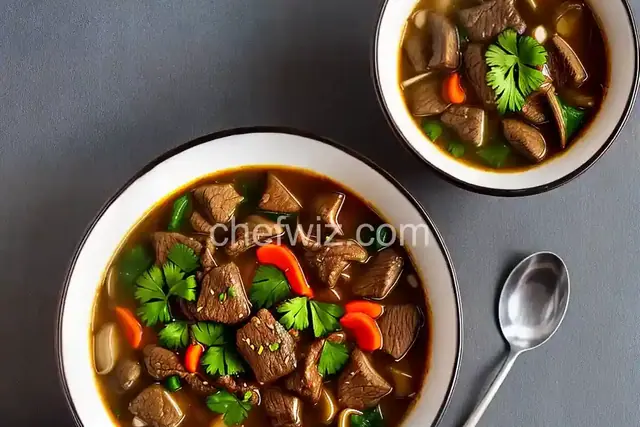
 When it comes to hearty and flavorful soups, Coto Makassar takes the spotlight.
 By AprilPublished
 When it comes to hearty and flavorful soups, Coto Makassar takes the spotlight.
Heat some oil in a skillet.
Saute the spice paste until it becomes fragrant.
Add the sauteed spice paste to the broth.
Stir in the powdered broth and refined beans.
Bring the mixture to a boil.
Add beef stew, tripe, liver, and heart of beef to the broth.
Pour in the rice washing water.
Add lemongrass, galangal, ginger, and bay leaves.
Cook until the meat becomes tender.
To make Buras/Burasa (steamed rice with herb):
Boil rice, coconut milk, salt, and salam leaves until the rice is halfway cooked and tender.
Fill a banana leaf with 2-3 tablespoons of rice.
Roll up the banana leaf and fold both ends.
Take 2 buras and arrange them with the folds facing each other on the inside.
Tie the buras with string in 3-4 places.
Steam or boil the buras for about 1-2 hours until cooked.
To make Sambal Goreng:
Fry the potatoes in oil until they change color and become tender.
Drain the fried potatoes.
Boil the beef liver until it solidifies and is no longer chewy.
Remove the boiled liver and drain it.
Dice the potatoes into small
When it comes to hearty and flavorful soups, Coto Makassar takes the spotlight. This traditional Indonesian dish is a savory delight that warms the soul and tantalizes the taste buds. Originating from the city of Makassar in South Sulawesi, Coto Makassar has gained popularity not only in Indonesia but also around the world. Let's dive into the rich history and delightful flavors of this iconic beef soup.
Coto Makassar is deeply rooted in the culinary heritage of the Bugis and Makassar people. It is believed to have been created in the 17th century during the reign of the Gowa Kingdom. Originally, this dish was reserved for special occasions and festive celebrations. Over time, it became a staple in the local cuisine and a symbol of Makassar's rich culinary traditions.
The cultural significance of Coto Makassar goes beyond its delicious taste. It represents the harmony between different ethnicities and religions in the region, as it is enjoyed by people of diverse backgrounds. This soup has become a unifying dish, bringing people together to savor its flavors and share memorable dining experiences.
Coto Makassar is a harmonious blend of various spices and ingredients. The star of the show is the beef, which is cooked until tender and flavorful. The soup is then enriched with a combination of aromatic herbs and spices such as lemongrass, galangal, and turmeric. These ingredients infuse the broth with a captivating aroma that lingers in the air and entices the senses.
One of the distinguishing features of Coto Makassar is the use of ground peanuts. These finely ground peanuts give the soup a creamy texture and a subtle nutty flavor. They also add a layer of complexity to the dish, elevating it to a whole new level of culinary excellence.
Imagine yourself sitting at a humble street-side stall in Makassar, surrounded by the bustling sounds and tantalizing scents of a vibrant food market. You take a spoonful of Coto Makassar and savor its rich flavors. The tender beef melts in your mouth, complemented by the creamy broth and the hint of aromatic spices. It's a symphony of tastes that leaves you craving for more.
As you relish each spoonful, you feel a sense of connection to the city's vibrant culinary heritage. You become part of a tradition that has been passed down through generations, a tradition that celebrates the art of cooking and the joy of sharing food with loved ones.
Coto Makassar is more than just a beef soup; it's a symbol of cultural pride and culinary excellence. With its rich history, delightful flavors, and cultural significance, this dish has captured the hearts and palates of people around the world. So why not embark on a culinary journey to Makassar and savor the unforgettable experience of Coto Makassar?
Absolutely! While beef is the traditional choice, you can experiment with other proteins such as chicken or tofu to suit your dietary preferences.
It can be. The level of spiciness can vary depending on the cook's preference. If you have a low tolerance for spice, you can always ask for a milder version.
Yes, there are vegetarian and vegan adaptations available. Instead of beef, you can use plant-based alternatives like mushrooms or jackfruit to create a delicious meat-free version.
While it may be more challenging to find authentic Coto Makassar outside of Indonesia, some Indonesian restaurants or specialty food stores in international cities may serve this delightful dish.
Coto Makassar is commonly enjoyed with rice cakes, known as ketupat or buras. It is also served with sliced shallots, lime wedges, and sambal (Indonesian chili paste) for an added kick of flavor.
Yes, you can! With the right ingredients and a little bit of patience, you can recreate the authentic flavors of Coto Makassar in your own kitchen.
The cooking time can vary, but it typically takes several hours to achieve the perfect tenderness and flavor. It's a dish that rewards patience and attention to detail.
Indonesia is a treasure trove of culinary delights. Some popular dishes to explore include Nasi Goreng (Indonesian fried rice), Gado-Gado (vegetable salad with peanut sauce), and Rendang (spicy meat dish).
AprilCook, recipe developer and the heart of Chefwiz. More about April