Corny Corn
Rate this recipeBe the first to rate
 By AprilPublished
 Are you a fan of corn? This humble, yet versatile vegetable has been a staple food for centuries.
 By AprilPublished
 Are you a fan of corn? This humble, yet versatile vegetable has been a staple food for centuries.
If using onion, dice it and place it in the microwave along with the stick of butter to start cooking them. If not using onion, simply melt the butter in the microwave.
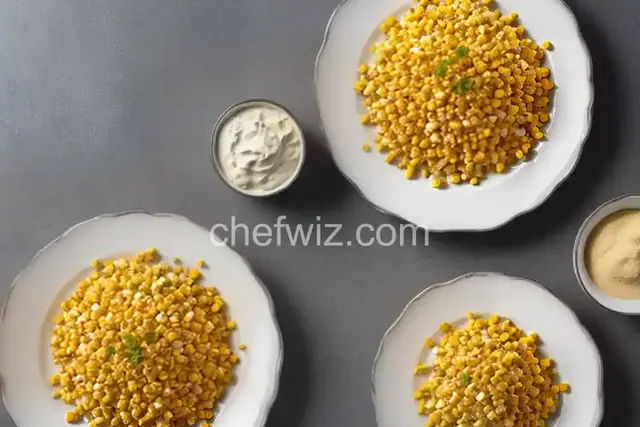
In a mixing bowl, combine both cans of corn, sour cream, eggs, and salt. Mix well.
Add the melted butter and onions to the mixture and mix well.
Lastly, incorporate the cornbread package into the mixture.
Pour the mixture into a casserole pan.
Bake in the oven at 350� for 45 minutes to 1 hour. If using a smaller pan than 13X9, you may need to increase the cooking time.
Are you a fan of corn? This humble, yet versatile vegetable has been a staple food for centuries. Whether you enjoy it grilled, boiled, or as part of a delicious dish, corn always manages to add a touch of sweetness to any meal. In this article, we will explore the wonders of corn and why it deserves a special place on your plate.
Corn is a beloved ingredient in many cuisines around the world. Its popularity can be attributed to its delicious taste and versatility. From corn on the cob at summer barbecues to creamy corn chowder on a chilly winter evening, corn can be enjoyed in various forms throughout the year.
Not only is corn delicious, but it's also packed with essential nutrients. It is a good source of fiber, vitamins, and minerals, making it a healthy addition to your diet. Plus, it's naturally gluten-free, making it a great option for those with gluten sensitivities or celiac disease.
Corn comes in different varieties, each with its own unique taste and texture. Sweet corn is the most common type, known for its juicy kernels and sweet flavor. This is the corn we typically enjoy during summer picnics and barbecues. On the other hand, field corn is primarily used for animal feed and processed into cornmeal, cornstarch, and corn syrup.
But there's more to corn than meets the eye. Have you ever heard of popcorn? These tiny kernels transform into fluffy, buttery bites of happiness when heated. Popcorn is a favorite snack for movie nights and a must-have at the fairgrounds.
Corn is a versatile ingredient that finds its way into various cuisines. In Mexican cuisine, corn is a staple ingredient, used to make tortillas, tamales, and delicious street food like elote. In the United States, corn is a key component of Southern dishes like cornbread and grits. And who can forget about the savory corn fritters and creamy corn soups that grace the menus in many Asian countries?
Whether you're a fan of Mexican, American, Asian, or any other cuisine, corn is sure to make an appearance in some form or another.
Aside from its delicious taste, corn offers several health benefits. It is rich in dietary fiber, which aids in digestion and helps maintain a healthy gut. The vitamins and minerals found in corn support overall health and can contribute to a stronger immune system.
Corn also contains antioxidants that help fight inflammation and reduce the risk of chronic diseases. Additionally, it provides energy due to its high carbohydrate content, making it a great choice for athletes and those needing a quick energy boost.
Corn is a versatile and delicious vegetable that deserves a place on your plate. Whether you enjoy it as a side dish, in a main course, or as a snack, corn adds a touch of sweetness and flavor to any meal. So, why not embrace the wonders of corn and explore the endless possibilities it offers in the culinary world?
Corn is technically considered a grain rather than a vegetable. However, it is commonly categorized as a vegetable in culinary contexts due to its culinary uses and nutritional profile.
If you have diabetes, it's best to consume corn in moderation as part of a balanced meal plan. Opt for whole corn instead of processed corn products, as they have a lower glycemic index.
Some varieties of corn are genetically modified, but not all. To ensure you're purchasing non-GMO corn, look for organic or non-GMO labels.
Absolutely! Freezing fresh corn is a great way to preserve its flavor and texture. Blanch the corn before freezing to retain its color and crispness.
There are several ways to cook corn on the cob, including grilling, boiling, or steaming. Each method offers a unique flavor and texture. Experiment with different cooking techniques to find your favorite.
Yes, you can! Corn can be used in various desserts, such as cornbread, corn pudding, and even corn ice cream. Its natural sweetness adds a delightful twist to traditional sweet treats.
When selecting fresh corn, look for bright green husks and plump, firm kernels. Gently peel back the husk to inspect the kernels. They should be juicy and tightly packed.
Leftover corn can be used in salads, soups, stir-fries, and even salsas. Get creative and experiment with different recipes to make the most of your leftover corn.
AprilCook, recipe developer and the heart of Chefwiz. More about April