Cornell Chicken
Rate this recipeBe the first to rate
 By AprilPublished
 Have you ever tried Cornell Chicken? If not, you're missing out on a mouthwatering culinary experience!
 By AprilPublished
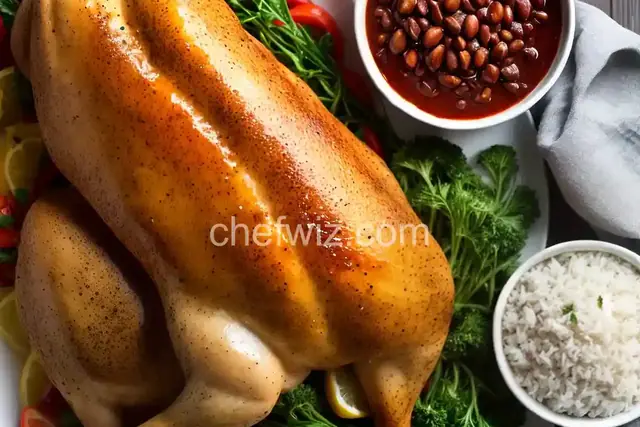
 Have you ever tried Cornell Chicken? If not, you're missing out on a mouthwatering culinary experience!
Blend together cider vinegar, oil, egg, salt, poultry seasoning, and pepper until the mixture is smooth.
Transfer the marinade into a resealable plastic bag.
Add the chicken halves to the bag, ensuring they are coated with the marinade.
Squeeze out any excess air from the bag and seal it.
Place the bag in the refrigerator and let the chicken marinate for at least 4 hours or overnight.
Preheat an outdoor grill to medium-high heat and lightly oil the grill grate.
Remove the chicken halves from the bag and place them on a baking sheet lined with paper towels.
Use additional paper towels to pat the chicken dry.
Set aside the marinade for later use.
Place the chicken halves on the preheated grill, skin-side down, directly over the heat.
Grill for 2 minutes, then turn the chicken pieces over, brush them with the reserved marinade, and move them to the indirect heat area of the grill.
Continue cooking the chicken, turning it often and brushing with the marinade, until it is nicely browned and the meat is no longer pink in the center. This should take about 45 minutes.
To ensure the chicken is fully cooked, use an instant-read thermometer to check the thickest part of the thigh near the bone. It should read 165 degrees F (74 degrees C).
Allow
Have you ever tried Cornell Chicken? If not, you're missing out on a mouthwatering culinary experience! This iconic dish from upstate New York is a flavor-packed delight that will leave you craving for more. In this article, we'll delve into the history, cooking techniques, and unique flavors of Cornell Chicken. So, let's fire up the grill and get ready to tantalize our taste buds!
Just like a well-seasoned marinade, let's marinate ourselves in the rich history of Cornell Chicken. Developed in the 1940s by Dr. Robert C. Baker, a professor at Cornell University, this recipe was created to promote the local poultry industry. Dr. Baker's goal was to make chicken a favorite choice for backyard barbecues, and he succeeded! The recipe quickly gained popularity and became a staple across New York state and beyond.
Now that we know the backstory, let's dive into the secret behind the irresistible flavor of Cornell Chicken. The key lies in the tangy and savory marinade that infuses the chicken with deliciousness. The marinade typically consists of ingredients like vinegar, oil, eggs, salt, and poultry seasoning. This magical combination not only tenderizes the meat but also imparts a delectable flavor that will have you coming back for seconds.
Imagine the chicken as a blank canvas waiting to be transformed into a masterpiece. Marinating is like the artist's brush, adding layers of flavor and tenderness. To achieve maximum flavor, it's recommended to marinate the chicken for at least 24 hours. This allows the marinade to penetrate the meat, resulting in juicy and flavorful bites that will make your taste buds dance with joy.
Grilling Cornell Chicken is an art in itself. The chicken is cooked over a hot grill, which gives it a beautiful char and smoky flavor. The high heat helps seal in the juices, ensuring a moist and succulent final product. While grilling, it's essential to brush the chicken with the marinade periodically. This not only adds extra flavor but also helps maintain the chicken's moisture.
Now that your Cornell Chicken is grilled to perfection, it's time to think about the best way to serve it. Pair it with some classic barbecue sides like corn on the cob, coleslaw, and potato salad for a complete and satisfying meal. The tangy flavors of the chicken complement these sides perfectly, creating a harmony of tastes that will leave your guests impressed.
Now that you're well-versed in the tantalizing world of Cornell Chicken, it's time to gather your ingredients and fire up the grill. Whether you're hosting a backyard barbecue or simply craving a delicious meal, Cornell Chicken is sure to satisfy your taste buds. So, let's savor the flavors, embrace the history, and enjoy this delectable dish that has stood the test of time.
While the traditional recipe calls for chicken, you can certainly experiment with other meats like turkey or pork. Just remember to adjust the cooking time accordingly to ensure safe and delicious results.
Absolutely! If you don't have access to an outdoor grill, you can use a stovetop grill pan or an indoor electric grill. The key is to achieve that lovely char and smoky flavor, regardless of the cooking method.
Yes, you can freeze the chicken with the marinade for future use. The marinade will help keep the meat moist and flavorful even after thawing. Just make sure to store it in an airtight container or freezer bag to prevent freezer burn.
The level of spiciness in Cornell Chicken can be adjusted to suit your taste. If you prefer a milder flavor, you can reduce or omit the spices in the marinade. On the other hand, if you enjoy a little heat, you can add some red pepper flakes or hot sauce to spice things up.
While grilling is the traditional method for cooking Cornell Chicken, you can certainly bake it in the oven. Preheat the oven to 375째F (190째C) and place the marinated chicken on a baking sheet. Bake for approximately 25-30 minutes or until the chicken reaches an internal temperature of 165째F (74째C).
Yes, if you have dietary restrictions or allergies, you can omit the eggs from the marinade. The chicken will still be flavorful and delicious thanks to the other ingredients like vinegar, oil, and spices.
While homemade marinade is recommended for the authentic Cornell Chicken experience, you can use bottled marinades as a convenient alternative. Just make sure to choose a tangy and flavorful marinade that complements the chicken well.
Absolutely! Whether you prefer bone-in or boneless chicken, you can still enjoy the mouthwatering flavors of Cornell Chicken. Just remember to adjust the cooking time accordingly, as boneless chicken tends to cook faster than bone-in pieces.
AprilCook, recipe developer and the heart of Chefwiz. More about April