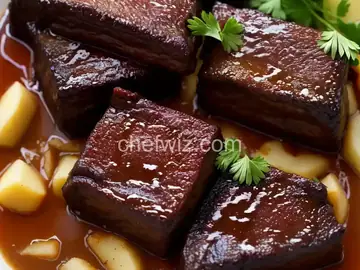
Corned Beef
Rate this recipeBe the first to rate
 By AprilPublished
 Are you a fan of succulent, flavorful meats? If so, then corned beef is a dish that you absolutely must try.
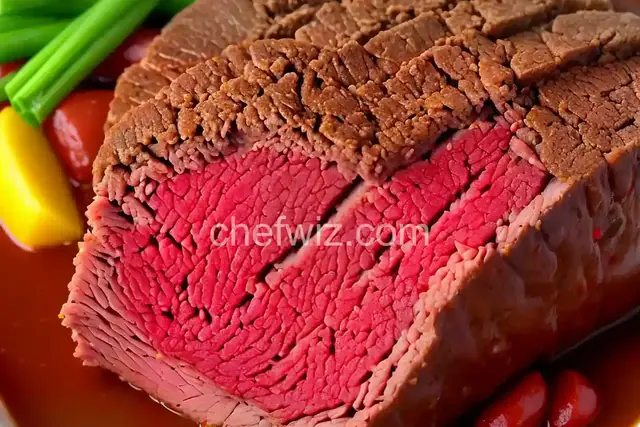 By AprilPublished
 Are you a fan of succulent, flavorful meats? If so, then corned beef is a dish that you absolutely must try.
Toast the chiles, ginger, cinnamon stick, cardamom, bay leaves, peppercorns, coriander seeds, mustard seeds, allspice berries, juniper berries, and cloves in a large dry skillet over medium heat. Shake the pan occasionally until the spices become fragrant and start to jump in the pan. This should take about 3-5 minutes. Be careful not to let them burn.
Transfer the toasted spices to a mortar and pestle or crush them with a knife. Crush them coarsely for about 1 minute.
In a large pot or container (at least 8 quarts), whisk together the Guinness, brown sugar, curing salt, kosher salt, and water (1 gallon) until the sugar and salts are dissolved.
Set aside 1/2 cup of the pickling spice in a small bowl or jar for later use. Add the remaining spice mixture and the brisket to the brine. Make sure the brisket is fully submerged by weighing it down with a plate. If needed, you can cut the brisket in half or cram it into the container (just don't fold it).
Cover the pot or container with plastic wrap or a lid and refrigerate for 5-6 days. Flip the meat once a day during this time.
When ready to cook, bring a large pot of lightly salted water to a simmer.
Remove the brisket from the
Are you a fan of succulent, flavorful meats? If so, then corned beef is a dish that you absolutely must try. This mouthwatering delicacy has a rich history and a distinctive taste that will leave you craving for more. In this article, we will delve into the world of corned beef, exploring its origins, preparation methods, and its popularity across various cuisines.
Believe it or not, corned beef has been enjoyed for centuries. Its roots can be traced back to the ancient times when people discovered the art of preserving meat using salt. The term "corned" refers to the large rock salt crystals that were historically used to cure and preserve beef.
Initially popular in Ireland, corned beef gained widespread popularity during the 19th century when Irish immigrants brought their love for this dish to America. It soon became a staple in many households and a traditional dish for St. Patrick's Day celebrations.
Preparing corned beef is an art in itself. The process involves marinating the meat in a flavorful brine solution that typically contains spices like cloves, peppercorns, and bay leaves. This marination process not only adds flavor but also tenderizes the meat, making it juicy and tender when cooked.
Traditionally, corned beef was made using brisket, a cut of beef known for its rich, beefy flavor. However, nowadays, you can find corned beef made from different cuts of beef, such as round or bottom round. Each cut offers a unique texture and taste, making corned beef a versatile dish.
While corned beef is closely associated with Irish and American cuisines, it has also made its way into various other culinary traditions around the world. In the United Kingdom, corned beef is often enjoyed as a sandwich filling or as part of a hearty breakfast. In the Caribbean, it is a popular ingredient in dishes like corned beef and cabbage.
Furthermore, corned beef has even found its way into Asian cuisines. In countries like the Philippines, corned beef is often fried with garlic and onions, creating a beloved breakfast dish called "corned beef sinangag." The versatility of corned beef truly knows no bounds.
When it comes to enjoying corned beef, there are many delicious pairings to consider. One classic combination is corned beef and cabbage, a hearty and comforting dish that is often associated with St. Patrick's Day. The tender, flavorful corned beef pairs perfectly with the slightly sweet and earthy flavors of cabbage.
If you're looking for a more adventurous pairing, why not try corned beef with spicy mustard? The tangy, slightly spicy mustard complements the richness of the beef, creating a symphony of flavors in every bite. And for those who love a good sandwich, corned beef makes a fantastic filling when layered with Swiss cheese and sauerkraut.
Corned beef is a delightful dish that has stood the test of time. Its flavorful history, diverse preparation methods, and global popularity make it a favorite among meat lovers. Whether you enjoy it on St. Patrick's Day or any other day of the year, corned beef is sure to satisfy your taste buds and leave you wanting more. So, go ahead, explore the world of corned beef, and discover the joy it brings to your palate.
While corned beef can be enjoyed in moderation as part of a balanced diet, it is important to note that it is a processed meat and can be higher in sodium and fat. If you have specific dietary concerns, it's best to consult with a healthcare professional.
Absolutely! Making corned beef from scratch can be a fun and rewarding culinary project. There are plenty of recipes and step-by-step guides available online to help you through the process. Just be prepared for the marinating time, as it can take several days.
Yes, corned beef can be frozen for later use. It is best to wrap it tightly in plastic wrap or place it in an airtight container before freezing. When ready to enjoy, simply thaw it in the refrigerator overnight before cooking.
While brisket is the traditional choice for corned beef, you can also use cuts like round or bottom round. Each cut will have its own unique texture and flavor, so feel free to experiment and find your favorite.
Absolutely! Corned beef can be a versatile ingredient in various recipes. You can use it to make corned beef hash, sandwiches, omelets, or even incorporate it into a savory pie filling. The possibilities are endless!
The cooking time for corned beef can vary depending on the size and cut of the meat. On average, it can take anywhere from 2 to 3 hours to cook. It's best to follow a recipe or cooking instructions specific to the cut you are using.
Yes, you can certainly make corned beef in a slow cooker. This method allows the meat to cook slowly and become incredibly tender. Just be sure to adjust the cooking time and follow the specific instructions for using a slow cooker.
Alongside corned beef and cabbage, popular side dishes include boiled potatoes, Irish soda bread, and steamed carrots. These sides complement the flavors of corned beef and create a well-rounded meal.
AprilCook, recipe developer and the heart of Chefwiz. More about April