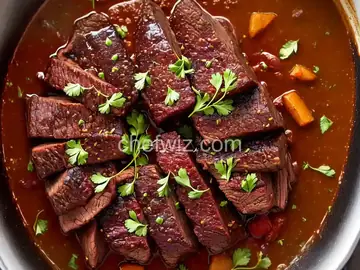
Corned Beef and Cabbage II
Rate this recipeBe the first to rate
 By AprilPublished
Are you ready to dive into the delicious world of corned beef and cabbage?
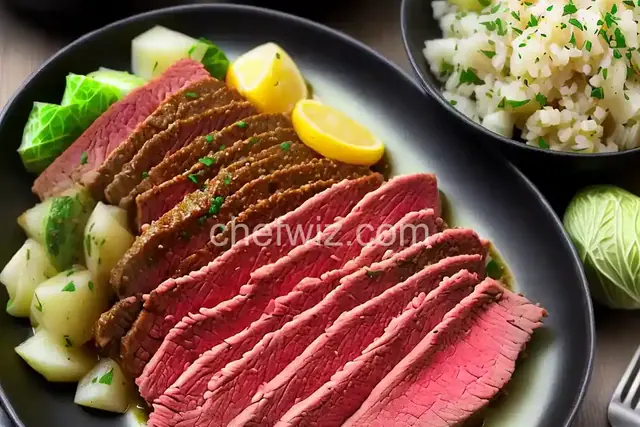 By AprilPublished
Are you ready to dive into the delicious world of corned beef and cabbage?
Preheat the oven to 300 degrees F (150 degrees C).
Line a 9x13-inch roasting pan with aluminum foil, ensuring enough extra foil extends over the sides to cover and seal the roast.
Rinse the brisket and pat it dry.
Rub the brisket with pickling spice.
Place the seasoned brisket in the prepared roasting pan.
Arrange slices of celery, orange, and onion on and around the roast.
Pour 1/2 cup of water into the pan.
Wrap the aluminum foil tightly over the roast, making sure the ends are sealed.
Bake the roast in the preheated oven for about 4 hours or until the meat is tender.
About 45 minutes before the roast's cooking time is up, heat 3 tablespoons of margarine and 1/4 cup of water in a large pot.
Add cabbage and apples to the pot.
Cover the pot and simmer over low heat for approximately 30 minutes.
Occasionally shake the pot to prevent anything from sticking to the bottom.
Serve the cabbage and apples with the remaining margarine and sliced corned beef.
Are you ready to dive into the delicious world of corned beef and cabbage? This classic dish is a favorite for many, especially around St. Patrick's Day. Whether you're Irish or not, there's something about the combination of tender, flavorful corned beef and hearty cabbage that just hits the spot. In this article, we'll explore the ins and outs of corned beef and cabbage, from its origins to different cooking methods. So grab a fork and let's dig in!
Have you ever wondered where corned beef and cabbage originated? While it is often associated with Irish cuisine, the dish actually has its roots in the United States. In the late 19th and early 20th centuries, Irish immigrants in America would often substitute corned beef for the more traditional bacon used in Ireland. This change was due to the accessibility and affordability of corned beef in the U.S. The dish became particularly popular in cities with large Irish populations, such as New York and Boston.
When it comes to cooking corned beef and cabbage, there are several methods you can choose from. One popular method is boiling, which involves simmering the corned beef in a pot of water along with spices such as peppercorns and bay leaves. This method results in tender, juicy meat that pairs perfectly with the cabbage.
Another cooking method for corned beef and cabbage is slow cooking. This involves placing the corned beef and cabbage in a slow cooker and letting it cook low and slow for several hours. The result is incredibly tender meat that practically falls apart.
Grilling is another option for cooking corned beef and cabbage. By grilling the corned beef, you can achieve a smoky, charred flavor that adds a delicious twist to the dish. Just make sure to keep an eye on the heat and turn the meat frequently to prevent burning.
Now that you know the different cooking methods, let's dive into some tips for making the perfect corned beef and cabbage:
1. Choose a quality cut of corned beef. Look for a well-marbled piece of meat for maximum flavor and tenderness.
2. Don't forget the spices. The spices that come with your corned beef are essential for flavor. Make sure to include them in your cooking process.
3. Add some flavor to the cooking liquid. You can enhance the flavor of the corned beef by adding ingredients like onions, garlic, and even a splash of beer to the cooking liquid.
4. Slice the corned beef against the grain. This will result in more tender slices of meat.
5. Don't overcook the cabbage. While the corned beef benefits from long cooking times, cabbage can become mushy if overcooked. Keep an eye on it and remove it from the heat once it's tender.
Corned beef and cabbage is a classic dish that has stood the test of time. Whether you prefer it boiled, slow-cooked, or grilled, there's no denying the deliciousness of this combination. With a few tips and tricks, you can create the perfect corned beef and cabbage that will have everyone coming back for seconds. So why not give it a try and see why this dish has become a beloved favorite?
Yes, you can certainly experiment with other types of meat, such as brisket or even pork, if you prefer. Just keep in mind that the flavors may vary.
The cooking time will depend on the size and thickness of the corned beef. On average, it can take anywhere from 2 to 4 hours.
Absolutely! While cabbage is the traditional vegetable used in corned beef and cabbage, you can add other vegetables like carrots, potatoes, and onions for added flavor and texture.
Yes, you can prepare corned beef and cabbage ahead of time. Just make sure to store them separately to prevent the cabbage from becoming too soggy.
Some popular side dishes to serve with corned beef and cabbage include boiled potatoes, Irish soda bread, and mustard.
Yes, you can freeze leftover corned beef and cabbage. Just make sure to store them in airtight containers or freezer bags to maintain freshness.
Absolutely! You can reheat corned beef and cabbage in the oven, microwave, or on the stovetop. Just make sure to heat it gently to avoid drying out the meat.
Yes, there are many variations of corned beef and cabbage. Some people like to add additional spices or sauces to the dish to give it a unique twist.
AprilCook, recipe developer and the heart of Chefwiz. More about April