Cornbread
Rate this recipeBe the first to rate
 By AprilPublished
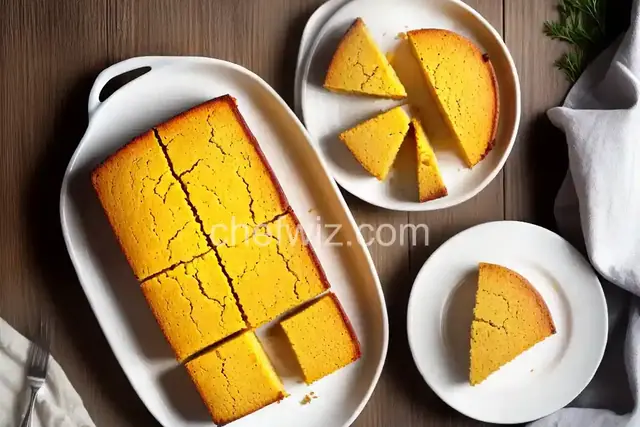
 When it comes to comfort food, few things can rival the warm and inviting taste of freshly baked cornbread.
 By AprilPublished
 When it comes to comfort food, few things can rival the warm and inviting taste of freshly baked cornbread.
Preheat the oven to 400 degrees F.
Place 2-inch baking cups in a 12-cup cupcake pan.
In a stand mixer, add all the ingredients starting with the dry cornbread.
Mix on the slowest speed for 3 to 5 minutes, or until the mixture becomes semi-liquid.
Increase the mixing speed to medium and continue mixing until the mixture becomes a uniform liquid consistency (note: some corn kernels will still be visible).
The cornbread mixture is now ready for baking. Fill the baking cups about 2/3 full, using an ice cream scooper to measure and extract the corn kernels.
Bake in the preheated oven for 25 minutes, or until the outer edge of the muffin is golden brown.
If desired, bake for a couple of minutes longer to achieve a more golden brown color on the entire top of the muffin.
Enjoy the muffins with your favorite BBQ sauce, or simply as they are. Butter is rarely requested!
When it comes to comfort food, few things can rival the warm and inviting taste of freshly baked cornbread. This humble staple of Southern cuisine has been delighting taste buds for generations, and for good reason. With its golden crust, moist interior, and subtle sweetness, cornbread is a versatile and satisfying addition to any meal.
Cornbread has a rich history that dates back to the Native Americans, who first cultivated corn thousands of years ago. They ground dried corn into flour and cooked it on hot rocks, creating a simple yet delicious flatbread. When European settlers arrived in America, they quickly adopted this culinary tradition and added their own twist to it.
While cornbread recipes may vary from region to region and family to family, there are a few universal secrets to achieving the perfect cornbread. First and foremost, the quality of the cornmeal used is crucial. Opt for stone-ground cornmeal, which retains more flavor and texture than its processed counterpart.
Another key factor is the ratio of wet to dry ingredients. Too much liquid will result in a dense and soggy cornbread, while too little will yield a dry and crumbly one. Finding the right balance is essential for achieving that coveted moist and tender texture.
One of the great things about cornbread is its versatility. Whether served as a side dish or the star of the show, it pairs well with a variety of dishes. Its slightly sweet and savory flavor complements everything from hearty stews and chili to barbecue and fried chicken.
For a twist on tradition, try adding ingredients like jalapenos, cheese, or bacon to your cornbread batter. The added flavors will take this humble bread to a whole new level of deliciousness.
Cornbread is a beloved staple of Southern cuisine that has stood the test of time. Its versatility, comforting taste, and rich history make it a truly special addition to any meal. Whether enjoyed alongside a bowl of homemade chili or as a snack on its own, cornbread never fails to satisfy. So, why not embrace this delightful bread and let it transport you to the heart of the South with every bite?
While cornmeal is the traditional base for cornbread, you can experiment with other grains like quinoa or millet for a unique twist. Keep in mind that the texture and flavor will be different from traditional cornbread.
To keep your cornbread fresh, store it in an airtight container at room temperature for up to three days. If you prefer a longer shelf life, you can freeze it for up to three months.
Absolutely! There are plenty of gluten-free cornmeal options available, making it easy to whip up a delicious gluten-free cornbread for those with dietary restrictions.
Yes, cornbread can be made vegan by substituting dairy milk and eggs with plant-based alternatives such as almond milk and flaxseed meal. The result is a delicious vegan cornbread that everyone can enjoy.
While sugar is often used to enhance the sweetness of cornbread, it is not a mandatory ingredient. If you prefer a savory cornbread, you can omit the sugar altogether or reduce the amount to your liking.
Yes, cooking cornbread in a cast-iron skillet is a popular method that adds a unique flavor and texture to the bread. The skillet evenly distributes heat, resulting in a crispier crust and a softer interior.
To make your cornbread extra moist, you can add ingredients like sour cream, buttermilk, or creamed corn to the batter. These additions will lend a velvety texture and enhance the overall moisture of the bread.
Absolutely! Freezing cornbread is a great way to extend its shelf life. Simply wrap individual portions tightly in plastic wrap or aluminum foil, then place them in a freezer bag. When you're ready to enjoy, thaw the cornbread at room temperature or reheat it in the oven at a low temperature.
AprilCook, recipe developer and the heart of Chefwiz. More about April