Coconut Jelly
Rate this recipeBe the first to rate
 By AprilPublished
 Who can resist the smooth, creamy texture of a coconut jelly melting in their mouth?
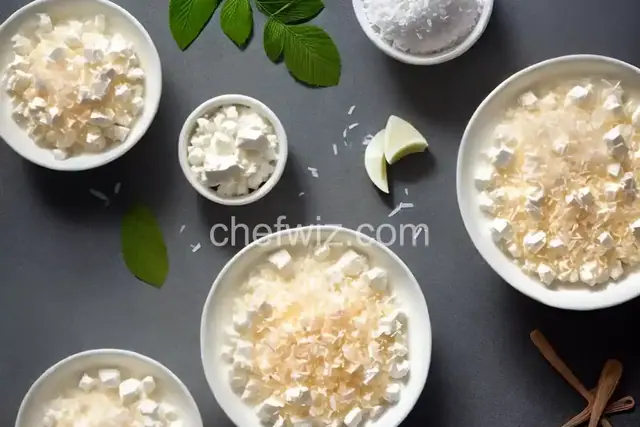 By AprilPublished
 Who can resist the smooth, creamy texture of a coconut jelly melting in their mouth?
Start by activating the gelatin. In a small bowl, combine water and gelatin powder, mixing well until fully blended. Set aside.
In a medium saucepan over medium-high heat, combine coconut cream and milk. Stir thoroughly with a whisk to ensure proper mixing. Bring the mixture to a simmer, then add the gelatin mixture. Once the mixture reaches a boil, reduce the heat and let it simmer for 2 to 3 minutes.
Prepare an 8 by 8-inch square cake pan by spraying it with nonstick spray. This will prevent sticking. Line the pan with plastic wrap, making sure to overlap the sheets so that you can easily lift the jelly out later. Pour the coconut mixture into the lined pan. Let it cool slightly before transferring to the refrigerator. Allow it to chill for at least 3 hours or overnight.
When ready to serve, remove the jelly from the pan by lifting it out using the plastic wrap. Invert it onto a cutting board and remove the plastic wrap. Use a hot knife to cut the jelly into 1 1/2-inch cubes. Serve in small bowls with chilled pineapple chunks, pineapple juice, and maraschino cherries.
Who can resist the smooth, creamy texture of a coconut jelly melting in their mouth? This delectable treat has become a favorite among dessert enthusiasts worldwide. Whether you're a fan of tropical flavors or simply looking for a refreshing dessert option, coconut jelly is sure to satisfy your cravings. In this article, we'll explore the wonders of coconut jelly, its origins, and how you can make it a delightful addition to your dessert repertoire.
Coconut jelly is believed to have originated in Southeast Asia, where coconuts are abundant. The process of making coconut jelly involves extracting the clear liquid from young coconuts, which is then mixed with gelatin or agar-agar to create a firm and jelly-like consistency. This unique dessert has been enjoyed for centuries in countries like Thailand, Vietnam, and the Philippines.
Coconut jelly offers a delightful combination of flavors and textures that make it a sensation for your taste buds. The creamy and velvety consistency of the jelly, coupled with the subtle sweetness of coconut, creates a heavenly treat that is hard to resist. Its tropical essence transports you to a sunny beach, making it the perfect dessert for those who crave a little escape.
Not only is coconut jelly a treat for your taste buds, but it also offers various health benefits. Coconuts are known for their high levels of electrolytes, vitamins, and minerals. They are rich in potassium, which helps regulate blood pressure and maintain heart health. Additionally, coconuts contain medium-chain triglycerides (MCTs), which are a type of healthy fat that can boost your metabolism.
While coconut jelly is delicious on its own, you can take it to the next level by adding some creative twists. How about infusing your coconut jelly with the flavors of mango, pineapple, or passion fruit? These tropical fruits complement the coconut perfectly and elevate the overall experience.
Another way to enhance the presentation is by serving your coconut jelly in a coconut shell. This not only adds an aesthetic touch but also enhances the tropical experience. Imagine indulging in a coconut jelly while sipping a refreshing coconut water from the shell. It's like having your own little paradise in a dessert form!
Coconut jelly is more than just a dessert; it's a tropical getaway in every bite. Its creamy texture, combined with the exotic flavors of coconut, makes it a sensation for the taste buds. Whether you choose to enjoy it on its own or jazz it up with creative twists, coconut jelly is sure to add a touch of paradise to your dessert table. So, why wait? Treat yourself and your loved ones to this exquisite delight and savor the taste of the tropics!
Yes, canned coconut milk can be used as an alternative to fresh coconut water. However, the flavor and texture may differ slightly.
No, agar-agar is a plant-based substitute for gelatin. It is derived from seaweed and is suitable for vegetarians and vegans.
The setting time can vary depending on the recipe and the ingredients used. Generally, it takes around 2-4 hours for coconut jelly to set in the refrigerator.
Absolutely! Feel free to get creative with your toppings. Fresh fruits, coconut flakes, or even a drizzle of chocolate sauce can be delightful additions.
Coconut jelly can be enjoyed by most people, including those with dietary restrictions. However, it's always best to check the ingredients and consult with a healthcare professional if you have any specific concerns.
Yes, there are alternative recipes available that use ingredients like chia seeds or tapioca pearls to achieve a similar jelly-like consistency.
Yes, you can store leftover coconut jelly in an airtight container in the refrigerator for up to 3-4 days.
Although coconut jelly is typically enjoyed chilled, you can experiment with serving it slightly warmed for a different experience.
AprilCook, recipe developer and the heart of Chefwiz. More about April