Coconut Creme Brulee
Rate this recipeBe the first to rate
 By AprilPublished
 When it comes to indulgent desserts, few can rival the creamy decadence of crème brûlée.
 By AprilPublished
 When it comes to indulgent desserts, few can rival the creamy decadence of crème brûlée.
Prepare six heat-safe 5-ounce coffee mugs or oven-safe ramekins.
Preheat the oven to 325 degrees F.
In a small saucepan over medium-high heat, combine the coconut milk, cream, and coconut extract. Bring it to a boil and then remove from heat.
In a separate bowl, whisk together the eggs and 5 tablespoons of sugar until well combined.
Slowly pour the heated cream mixture into the eggs, stirring constantly.
Divide the mixture evenly among the coffee mugs or ramekins, filling them about 3/4 of the way up.
Place the mugs or ramekins in a baking dish and add warm water to the baking dish, filling it halfway up the sides of the mugs or ramekins.
Bake until the center is almost set. The baking time will vary depending on the height of your mugs or ramekins. For every 1/2 inch of height, bake for 10 minutes. For a 1-inch vessel, bake for about 20 minutes. For a 2-inch vessel, bake for about 40 minutes.
Remove from the oven and let the creme brulees cool completely in the water bath. Then, refrigerate for 15 to 20 minutes before serving.
Just before serving, sprinkle a generous amount of sugar on top of each creme brulee. Use a
When it comes to indulgent desserts, few can rival the creamy decadence of crème brûlée. But what if we took this classic French delight and gave it a tropical twist? Enter coconut crème brûlée, a dessert that combines the rich custard base of traditional crème brûlée with the exotic flavors of coconut. Get ready to embark on a culinary journey to paradise as we explore the tantalizing world of coconut crème brûlée.
Before we dive into the world of coconut crème brûlée, let's take a moment to appreciate the beauty of its predecessor. Crème brûlée is a dessert that boasts a velvety custard base and a caramelized sugar topping that crackles under the touch of a spoon. With its delicate balance of flavors and textures, it's no wonder that crème brûlée has become a staple in fine dining establishments all over the world.
Now, imagine infusing this already delightful dessert with the tropical flavors of coconut. The addition of coconut milk and shredded coconut takes the creaminess of the custard to a whole new level. The subtle sweetness and distinct aroma of coconut elevate the crème brûlée to a dessert experience that transports you to a sun-soaked beach, with each spoonful reminding you of swaying palm trees and gentle ocean breezes.
Creating coconut crème brûlée is a labor of love but well worth the effort. The process is similar to making traditional crème brûlée, with a few tweaks to incorporate the coconut element. By substituting some of the heavy cream with coconut milk and adding shredded coconut to the custard mixture, you infuse the dessert with the unmistakable taste of the tropics.
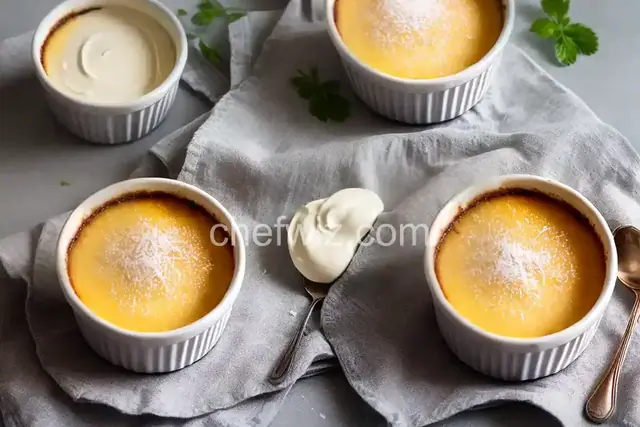
One of the most iconic aspects of crème brûlée is the crackling caramelized sugar crust that sits atop the creamy custard. To achieve this golden perfection, a culinary torch is used to melt and caramelize the sugar, creating a delicate and crisp layer. The process of cracking through the caramelized sugar is not only visually appealing but also adds a delightful textural contrast to the silky smoothness of the custard.
When coconut and caramel come together in coconut crème brûlée, it's a match made in dessert heaven. The caramelized sugar complements the tropical flavors of the coconut, creating a symphony of sweet and toasty notes. It's a harmonious marriage of flavors that will leave your taste buds dancing with delight.
Coconut crème brûlée is a delightful fusion of classic French elegance and tropical allure. With its creamy custard base infused with the exotic flavors of coconut, it offers a taste of paradise in every spoonful. Whether you're a fan of traditional crème brûlée or simply looking to indulge in a tropical dessert, coconut crème brûlée is sure to satisfy your cravings for both sophistication and adventure.
So, the next time you're craving a dessert that takes you on a culinary journey to paradise, why not try coconut crème brûlée? With its creamy coconut-infused custard and caramelized sugar topping, it's a tropical twist on a classic dessert that will transport your taste buds to sun-soaked beaches and swaying palm trees. Indulge in the decadent flavors of coconut crème brûlée and let your imagination wander to a tropical paradise.
Yes, you can use coconut cream instead of coconut milk to create an even richer and creamier coconut crème brûlée.
While desiccated coconut can be used, shredded coconut provides a more pronounced texture and coconut flavor in the final dessert.
Absolutely! You can experiment with adding flavors like pineapple, mango, or even a hint of lime to infuse your coconut crème brûlée with additional tropical notes.
Yes, if you don't have a culinary torch, you can use your oven's broiler to caramelize the sugar crust. Keep a close eye on it to prevent burning.
Absolutely! Coconut crème brûlée can be made a day in advance and kept in the refrigerator. Just make sure to caramelize the sugar right before serving to maintain the perfect crunch.
While traditional crème brûlée uses white granulated sugar, you can experiment with other sugars like brown sugar or even coconut sugar to add a unique twist to your coconut crème brûlée.
Absolutely! You can top your coconut crème brûlée with toasted coconut flakes, fresh tropical fruits, or even a dollop of whipped cream for an extra touch of indulgence.
Coconut extract can be used to enhance the coconut flavor in your coconut crème brûlée, but it's best to use it in conjunction with coconut milk for a more authentic taste.
AprilCook, recipe developer and the heart of Chefwiz. More about April