Cochon De Lait
Rate this recipeBe the first to rate
 By AprilPublished
 Are you ready to embark on a gastronomic adventure that will tantalize your taste buds?
 By AprilPublished
 Are you ready to embark on a gastronomic adventure that will tantalize your taste buds?
The art of cooking a pig before an open hardwood fire is known as cochon de lait. The origin of this Louisiana social event is unclear, but it is believed to have started at least a century ago in Cajun country. It is possible that German settlers in St. James Parish introduced the cochon de lait tradition, while local legend suggests that veterans of Napoleon's army brought the preparation to Louisiana in the early 1800s. Mansura, LA is now recognized as the "La Capital du Cochon de Lait" by the Louisiana legislature.
Traditionally, families cooked smaller pigs weighing less than 30 pounds as the centerpiece for holiday gatherings. The pig was often cooked hanging from the fireplace or outdoors over a pecan wood and sugarcane fire. Nowadays, larger pigs up to 200 pounds are cooked to feed larger groups.
To prepare a cochon de lait, season the pig inside and out with salt, cracked black pepper, and granulated garlic. Inject the front and rear hams and tenderloin with a mixture of melted butter, white wine, Louisiana hot sauce, and granulated garlic.
Use a meat saw to cut through the backbone at the neck and tail, and lay the pig open flat. Wrap the pig in thoroughly washed and cleaned wire mesh, then secure it with wire to maintain its shape during cooking.
Place the pig in front of a hardwood fire, positioned 3 to 4
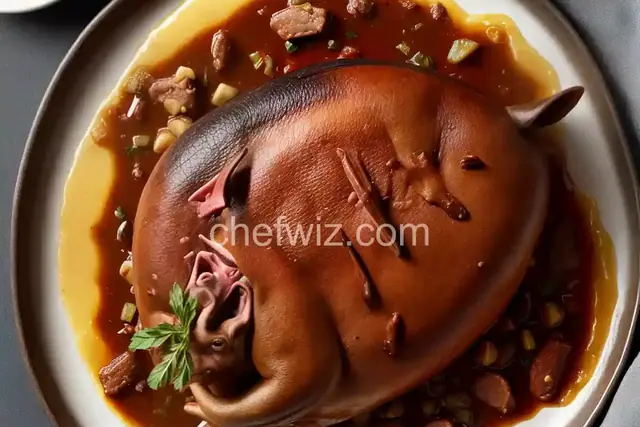
Are you ready to embark on a gastronomic adventure that will tantalize your taste buds? Look no further than Cochon De Lait, a culinary masterpiece that is sure to leave you craving for more. This traditional Cajun dish, also known as "roast suckling pig," is not just a meal but an experience that brings people together to celebrate food, culture, and the joy of indulgence.
To truly appreciate the magic of Cochon De Lait, let's dive into its rich history. This delectable dish has its roots deep in the heart of Louisiana, where the Cajun and Creole traditions merge to create an explosion of flavors. The term "cochon de lait" translates to "milk pig" in French, referring to the young age of the pig used in the preparation.
Originally, Cochon De Lait was a way for Cajun families to come together and celebrate special occasions. It was a time of community bonding and culinary excellence. The pig would be slow-roasted over an open fire, allowing the meat to become tender and juicy while absorbing the smoky flavors of the firewood. This slow-cooking process was an art form, requiring patience and precision.
Imagine the aroma of a succulent pig slowly roasting over an open fire, the crackling of the skin as it turns golden brown, and the anticipation of that first bite. The secret to Cochon De Lait lies in the slow roasting process, which allows the flavors to develop and intensify, resulting in a tender and flavorful meat that is unmatched in taste.
Just like a symphony, the slow roasting process requires perfect timing and harmony. The pig is carefully seasoned with a blend of spices, ensuring that every bite is packed with flavor. As it cooks, the fat melts away, basting the meat and keeping it moist and succulent. The result is a culinary masterpiece that is tender, juicy, and incredibly delicious.
Cochon De Lait is more than just a meal; it is a celebration of food, family, and tradition. In Louisiana, this dish is often the centerpiece of gatherings and special occasions. Whether it's a wedding, a birthday, or a community festival, Cochon De Lait brings people together, creating memories that last a lifetime.
Picture yourself surrounded by loved ones, the air filled with laughter and the mouthwatering aroma of slow-roasted pig. There's something magical about sharing a meal that has been prepared with love and care. Cochon De Lait embodies the spirit of togetherness, reminding us of the importance of cherishing moments and savoring the simple pleasures of life.
Cochon De Lait is not just a dish; it is a journey into the heart of Cajun culture. From its humble origins to its place as a centerpiece of celebrations, this slow-roasted delicacy embodies the spirit of togetherness and the joy of indulging in a meal prepared with love. So, gather your loved ones, fire up the grill, and let Cochon De Lait transport you to a world of flavor and tradition.
The cooking time for Cochon De Lait can vary depending on the size of the pig and the cooking method. On average, it takes around 8-10 hours to roast a pig for Cochon De Lait.
Some traditional side dishes that pair perfectly with Cochon De Lait include red beans and rice, coleslaw, cornbread, and potato salad. These dishes complement the flavors of the roast pig and add a delightful variety to the meal.
While the traditional Cochon De Lait involves roasting a suckling pig, variations of the dish can be prepared using other meats such as lamb, goat, or even chicken. The slow roasting method and flavorful seasonings can be applied to different meats to create equally delicious results.
Preparing Cochon De Lait requires time, patience, and attention to detail. It is a labor of love that requires the skill to slow roast the pig to perfection. While it may be challenging for beginners, with practice and guidance, anyone can master the art of Cochon De Lait.
As Cochon De Lait is primarily a meat-based dish, there are limited vegetarian options available. However, creative chefs have come up with innovative alternatives using plant-based proteins and vegetables to capture the essence of Cochon De Lait while catering to vegetarian preferences.
Cochon De Lait is typically served as the main course of a meal. The roasted pig is usually carved into portions and served alongside traditional side dishes and condiments. It is a hearty and satisfying meal that is meant to be enjoyed with family and friends.
While Cochon De Lait is deeply rooted in Louisiana's culinary traditions, its popularity has spread beyond state lines. You may find variations of the dish in restaurants or culinary events that celebrate Cajun and Creole cuisine.
Cochon De Lait holds great significance in Cajun culture as it represents the spirit of community, celebration, and the joy of sharing a meal. It is a testament to the Cajun people's resilience and their ability to turn even a simple pig roast into a memorable experience filled with love and laughter.
AprilCook, recipe developer and the heart of Chefwiz. More about April