Classic Pound Cake
Rate this recipeBe the first to rate
 By AprilPublished
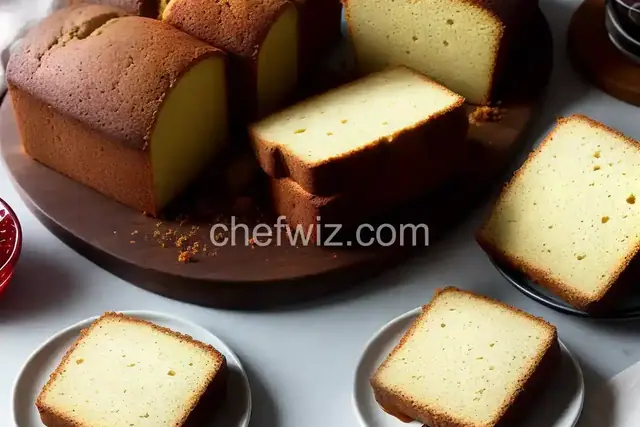
 Are you ready to dive into the world of delectable desserts? Look no further than the classic pound cake.
 By AprilPublished
 Are you ready to dive into the world of delectable desserts? Look no further than the classic pound cake.
Preheat your oven to 300 degrees F.
Grease a large (10-inch) Bundt pan generously with butter. Set it aside.
In a medium bowl, combine the flour, baking powder, and salt. Set aside.
In the bowl of an electric mixer fitted with a paddle attachment, cream together the butter, sugar, and vegetable shortening until it becomes light and fluffy.
In a large liquid measuring cup, mix together the milk, vanilla, eggs, and almond extract (if using). Stir well to combine.
Add the flour mixture and milk mixture to the butter mixture. Alternate between adding the dry and wet ingredients in three parts, starting and ending with the dry ingredients.
Fill the prepared Bundt pan with the batter.
Bake for 15 minutes.
Increase the oven temperature to 325 degrees F and continue baking until the cake turns a warm golden brown and starts to pull away from the sides of the pan. Alternatively, you can insert a tester into the center of the cake, and if it comes out clean, the cake is done. This will take an additional 45 minutes.
Remove the cake from the oven and let it cool on a rack for 10 minutes.
Invert the cake onto a rack to cool completely, which should take at least 20 minutes.
Are you ready to dive into the world of delectable desserts? Look no further than the classic pound cake. Just like its name suggests, this cake is a true heavyweight when it comes to flavor and texture. With its rich buttery taste and velvety crumb, it's no wonder this timeless treat has been a favorite for generations. Let's explore the history, versatility, and tips for making the perfect pound cake.
Before we delve into the art of making the perfect pound cake, let's take a moment to appreciate its historical roots. The pound cake is believed to have originated in Europe during the 18th century. The name "pound cake" comes from the traditional recipe that calls for a pound each of butter, sugar, eggs, and flour. Can you imagine the sheer decadence of such a cake?
Over the years, various adaptations and flavorings have been added to the original recipe, allowing for endless creativity and personalization. From lemon zest and vanilla extract to chocolate chips and fresh fruits, the pound cake offers a canvas for culinary experimentation.
One of the reasons the pound cake has stood the test of time is its incredible versatility. Whether you're a fan of simplicity or an adventurous flavor explorer, there's a pound cake variation for everyone.
For those who appreciate the classics, a plain pound cake with a dusting of powdered sugar is the epitome of elegance. Its dense yet tender crumb makes it the perfect companion for a cup of tea or coffee.
If you're craving a burst of citrusy freshness, a lemon pound cake is sure to brighten your day. The tangy zest and lemony glaze take the cake to a whole new level of deliciousness.
For chocolate lovers, a chocolate marble pound cake is a dream come true. Swirls of rich chocolate batter running through the golden cake create a visual masterpiece that's as tantalizing to the eyes as it is to the taste buds.
Now that we've piqued your curiosity about pound cake, it's time to equip you with some tips and tricks for achieving baking perfection.
First and foremost, make sure all your ingredients are at room temperature. This allows for proper emulsification and ensures a smooth batter. Nobody wants a lumpy pound cake!
When measuring your flour, be sure to spoon it into the measuring cup and level it off with a knife. This will prevent your cake from being too dense and heavy.
Don't overmix your batter! Once the flour is incorporated, stop mixing to avoid developing gluten, which can result in a tough cake.
Lastly, don't be tempted to open the oven door too soon. Pound cakes require patience. Let them bake undisturbed until a toothpick inserted into the center comes out clean.
In conclusion, the classic pound cake is a dessert that transcends time. Its rich history, versatility, and buttery goodness continue to captivate taste buds around the world. Whether you prefer it plain, lemon-infused, or marbled with chocolate, there's a pound cake variation that will leave you craving for more. So, why not roll up your sleeves, preheat that oven, and embark on a baking adventure that will reward you with a slice of pure bliss?
While it is possible to substitute margarine for butter, keep in mind that the texture and flavor of the pound cake may be affected. Butter is preferred for its rich taste and superior baking properties.
Absolutely! Pound cake freezes exceptionally well. Wrap it tightly in plastic wrap and store it in an airtight container. It can be kept in the freezer for up to three months.
To ensure easy removal, generously grease your pan with butter or cooking spray. You can also line the bottom with parchment paper for added insurance.
Yes, you can! Adding a splash of your favorite liquor, such as rum or bourbon, can infuse your pound cake with unique flavors. Just be mindful of the alcohol content and adjust the recipe accordingly.
While cake flour can result in a lighter and more tender pound cake, all-purpose flour can also be used. Just keep in mind that the texture may be slightly different.
It is best to let your pound cake cool in the pan for about 10-15 minutes before transferring it to a wire rack to cool completely. This allows the cake to set and prevents it from falling apart.
Absolutely! Adding fruits like berries or chopped nuts can add a delightful texture and flavor to your pound cake. Just make sure to fold them gently into the batter to avoid deflating it.
Yes, you can! Using a bundt pan can add an elegant touch to your pound cake presentation. Just make sure to adjust the baking time accordingly, as bundt pans may require longer baking times.
AprilCook, recipe developer and the heart of Chefwiz. More about April