Classic Pesto
Rate this recipeBe the first to rate
 By AprilPublished
 Have you ever tasted a burst of freshness and flavor in your mouth that made you feel like you were transported to an Italian countryside?
 By AprilPublished
 Have you ever tasted a burst of freshness and flavor in your mouth that made you feel like you were transported to an Italian countryside?
In a blender, mix together the first four ingredients.
Blend the mixture until it forms a paste, pausing occasionally to push down any basil that sticks to the sides.
Add both types of cheese and salt to the blender.
Continue blending until the mixture becomes smooth and well combined.
Transfer the mixture to a small bowl.
If desired, the dip can be prepared in advance by covering the top with a 1/2-inch layer of olive oil and chilling it in the refrigerator for up to one day.
Have you ever tasted a burst of freshness and flavor in your mouth that made you feel like you were transported to an Italian countryside? That's exactly what classic pesto does! This versatile sauce is not only a staple in Italian cuisine but also a delightful addition to various dishes. In this article, we'll explore the wonders of classic pesto, its ingredients, and how to use it to elevate your meals.
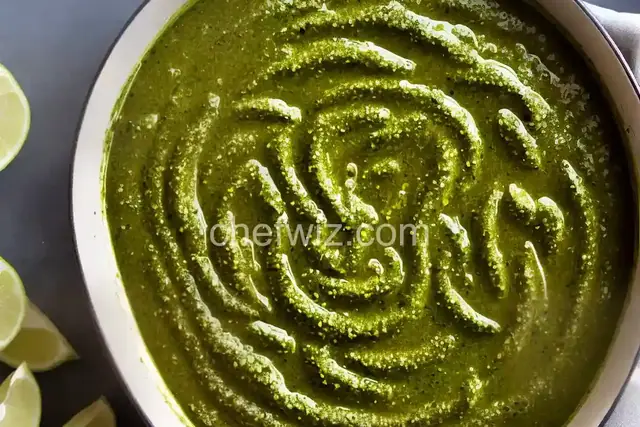
Pesto is a vibrant, green sauce that originated in Genoa, Italy. It is traditionally made by blending together fresh basil leaves, garlic, pine nuts, Parmesan cheese, and olive oil. The result is a heavenly concoction that is both aromatic and flavorful.
Pesto is incredibly versatile and can be used in a variety of ways. It serves as a delightful sauce for pasta dishes, such as spaghetti or linguine. It also makes a fantastic spread for sandwiches or a dip for crusty bread. The possibilities are endless!
To make classic pesto, you'll need the following ingredients:
Basil is the star of classic pesto. Its fresh and fragrant leaves give the sauce its distinct taste. Make sure to use fresh basil for the best results.
Garlic adds a delightful punch of flavor to the pesto. It's best to use fresh garlic cloves for that intense and aromatic taste.
Pine nuts provide a subtle nuttiness and creaminess to the sauce. They are typically toasted before being added to enhance their flavor.
Parmesan cheese adds a savory and salty note to the pesto. Grate a generous amount of Parmesan to give your sauce that irresistible umami taste.
Olive oil brings all the flavors together and gives the pesto its smooth and creamy texture. Use extra virgin olive oil for the best results.
Making classic pesto is a breeze. Here's a step-by-step guide:
Wash and dry the basil leaves. Peel the garlic cloves and gather all the other ingredients.
In a food processor or blender, combine the basil, garlic, pine nuts, and Parmesan cheese. Pulse until coarsely chopped.
With the blender or food processor running, slowly drizzle in the olive oil. Continue blending until the mixture is smooth and well combined.
Taste the pesto and season with salt and pepper as desired. Transfer the pesto to a jar and cover the surface with a thin layer of olive oil to prevent oxidation. Store in the refrigerator for up to a week.
While basil is the classic choice, you can experiment with other herbs like cilantro or parsley to create unique variations of pesto.
Absolutely! If you have allergies or prefer a different nutty flavor, you can use walnuts, almonds, or even cashews in place of pine nuts.
Yes, you can freeze pesto for future use. Transfer it to an airtight container or ice cube trays and freeze. Thaw in the refrigerator before using.
Traditional pesto contains Parmesan cheese, which is not vegan. However, you can easily make a vegan version by omitting the cheese or using a dairy-free alternative.
While homemade pesto is undeniably delicious, store-bought pesto can be a convenient option when you're short on time. Just make sure to choose a high-quality brand.
Pesto can be used in various dishes, such as pasta, pizza, sandwiches, salads, and even as a marinade for grilled meats or vegetables.
Absolutely! Feel free to customize your pesto by adding more garlic for a stronger kick, reducing the amount of cheese for a milder taste, or adjusting the amount of olive oil for a thicker or thinner consistency.
When stored properly in the refrigerator, homemade pesto can last up to a week. Just make sure to keep it covered with a layer of olive oil to prevent it from turning brown.
In conclusion, classic pesto is a delightful sauce that adds a burst of freshness and flavor to your dishes. With its simple yet vibrant ingredients, it's easy to make and incredibly versatile. Whether you're a pasta lover or a sandwich enthusiast, pesto is sure to elevate your meals to a whole new level. So why not give it a try and experience the taste of Italy in your own kitchen?
AprilCook, recipe developer and the heart of Chefwiz. More about April