Classic Goulash
Rate this recipeBe the first to rate
 By AprilPublished
 Are you ready to embark on a culinary journey that will transport you to the heart of Eastern Europe?
 By AprilPublished
 Are you ready to embark on a culinary journey that will transport you to the heart of Eastern Europe?
This simple goulash recipe is fast, straightforward, and incredibly satisfying.
Below you'll find a detailed list of ingredients and step-by-step instructions, but let's go over the basics:
Here are the ingredients required to make this homemade goulash recipe:
- Olive oil
- Onion
- Ground beef
- Garlic
- Water
- Tomato sauce
- Diced tomatoes
- Soy sauce
- Italian seasoning
- Seasoned salt
- Bay leaves
- Uncooked macaroni
Here's a quick overview of what to expect when making this highly-rated goulash:
Heat olive oil in a large Dutch oven over medium-high heat. Sauté the onion for 3 minutes, stirring often.
Add the ground beef and cook until evenly browned, breaking up the meat as you go, approximately 5 minutes.
Add the garlic and cook for 3 minutes, stirring often.
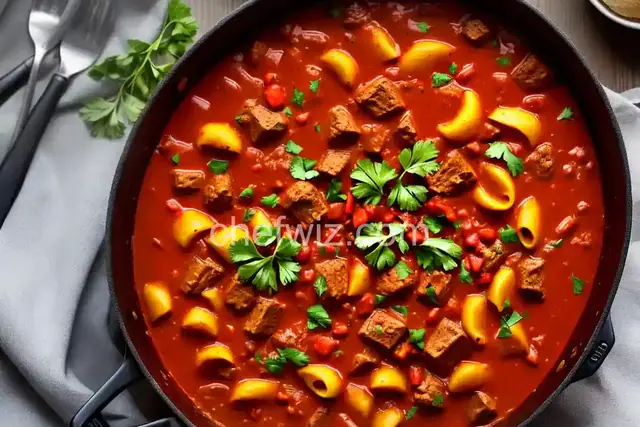
Stir in water, tomato sauce, diced tomatoes, soy sauce, Italian seasoning, seasoned salt, and bay leaves. Bring to a simmer, cover, and cook for 5 minutes, stirring halfway through.
Stir in the uncooked macaroni, cover, and simmer over medium heat for 11 to 13 minutes, or until the pasta is tender. Stir occasionally.
Remove from heat, discard the bay leaves, and serve.
If you prefer to use a slow cooker, here's how:
Preheat the slow
Are you ready to embark on a culinary journey that will transport you to the heart of Eastern Europe? Look no further than the classic goulash, a beloved dish that has been satisfying hungry souls for generations. In this article, we will explore the origins of this hearty and flavorful stew, delve into its key ingredients, and discover how to make it yourself. So, grab your apron and let's get cooking!
Before we dive into the recipe, let's take a moment to appreciate the rich history behind goulash. Originating from Hungary, this iconic dish has become a staple across Central and Eastern Europe. Its humble beginnings can be traced back to the herdsmen of the Great Hungarian Plain, who cooked hearty stews in large cast-iron pots over open fires.
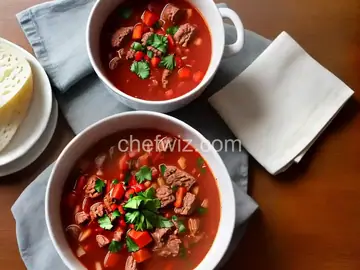
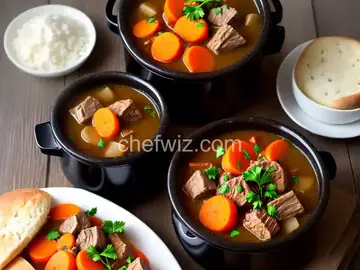
Now that we know a bit about the history, let's talk about the star players in this culinary masterpiece. Goulash typically features tender chunks of beef, slow-cooked to perfection. The meat is complemented by a medley of onions, bell peppers, and garlic, which add depth and aroma to the dish. To achieve that signature rich and tangy flavor, a generous amount of Hungarian paprika is a must. This spice not only provides a vibrant red color but also infuses the stew with a smoky and slightly sweet undertone.
Preparing goulash is a labor of love. The beef is first seared to lock in its juices and then simmered in a savory broth until it reaches a melt-in-your-mouth tenderness. As the stew simmers, the flavors meld together, creating a symphony of tastes that will tantalize your taste buds. The slow cooking process allows the meat to absorb the essence of the spices and vegetables, resulting in a dish that is both hearty and full of character.
Goulash is more than just a stew. It is a symphony of flavors, a testament to the rich culinary heritage of Eastern Europe. Whether you choose to savor it in a cozy Hungarian restaurant or recreate it in your own kitchen, this classic dish will warm your heart and nourish your soul. So, gather your loved ones around the table and enjoy a taste of tradition with every spoonful of goulash.
The best cut of meat for goulash is typically a tougher cut, such as chuck or stewing beef. These cuts have more connective tissue, which breaks down during the slow cooking process, resulting in tender and flavorful meat.
While Hungarian paprika is the traditional choice for goulash, you can experiment with different types to suit your taste. Smoked paprika adds a delightful smokiness, while sweet paprika lends a milder flavor.
Absolutely! You can easily adapt the recipe to make a delicious vegetarian version. Simply replace the beef with hearty vegetables like mushrooms, potatoes, and carrots. The result will still be a flavorful and satisfying stew.
The longer the goulash simmers, the more tender and flavorful it becomes. Aim for a minimum of 1.5 to 2 hours of simmering time, but don't be afraid to let it go longer if you have the time. The flavors will only continue to develop and intensify.
Absolutely! Goulash freezes beautifully, making it a great option for meal prep or leftovers. Simply cool the stew completely, transfer it to airtight containers, and freeze for up to 3 months. Thaw and reheat gently on the stovetop when ready to enjoy.
Goulash pairs wonderfully with a variety of accompaniments. Traditionally, it is served with fluffy egg noodles, which soak up the savory sauce. However, you can also serve it with crusty bread, mashed potatoes, or even steamed rice for a hearty and satisfying meal.
Absolutely! Goulash is well-suited for slow cooking. Simply follow the recipe instructions up until the simmering stage, then transfer everything to your slow cooker. Cook on low for 6-8 hours or on high for 4-5 hours, until the meat is tender and the flavors have melded together.
Indeed! Goulash has evolved over time, and different regions have put their own spin on the dish. For example, the Czech version, known as "Svíčková," features marinated beef served with a creamy sauce. Explore these variations and discover the unique flavors they have to offer.
AprilCook, recipe developer and the heart of Chefwiz. More about April