Classic Fried Chicken
Rate this recipeBe the first to rate
 By AprilPublished
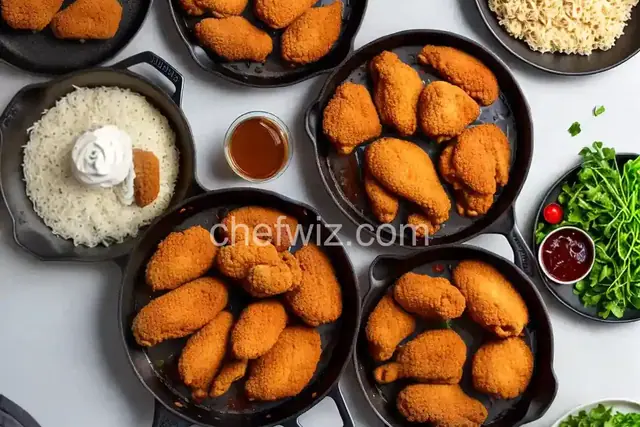
 Who can resist the crispy, golden-brown crust and juicy, tender meat of classic fried chicken?
 By AprilPublished
 Who can resist the crispy, golden-brown crust and juicy, tender meat of classic fried chicken?
Season the chicken with salt and black pepper, then place it on a baking sheet and loosely cover it with plastic wrap. Refrigerate for 1 hour.
In a large resealable plastic bag, combine buttermilk, hot sauce, bay leaf, garlic, and thyme. Add the chicken to the bag, making sure all the pieces are submerged. Seal the bag and refrigerate for 2 to 4 hours.
In a separate resealable bag, mix flour, baking powder, paprika, onion powder, cayenne, salt, and black pepper.
In a deep 12-inch cast-iron skillet, fill it halfway with a mixture of peanut oil and shortening. Heat over medium heat until the temperature reaches 350 degrees F.
Take out about half of the chicken pieces from the buttermilk mixture, allowing any excess liquid to drip off. Transfer the chicken to the bag of seasoned flour, seal the bag, and shake it to coat the chicken evenly. Remove the chicken from the bag, shake off any excess flour, and place it on a rack.
Carefully place the coated chicken into the hot oil. The temperature will decrease to 300 degrees F to 325 degrees F. Adjust the heat to maintain this temperature to prevent the crust from burning before the chicken is fully cooked. Fry the chicken undisturbed for 2 to 3 minutes to set the crust, then use t
Who can resist the crispy, golden-brown crust and juicy, tender meat of classic fried chicken? It's a beloved dish that has captured the hearts and taste buds of people all over the world. Whether you're enjoying it at a family picnic, a casual dinner, or a fancy restaurant, fried chicken never fails to satisfy.
So what's the secret to achieving that perfect, mouthwatering fried chicken? It all starts with the batter. A well-seasoned flour mixture is key to achieving that deliciously crispy crust. But it's not just about the coating - the cooking technique plays an important role too.
Before you even think about frying your chicken, consider brining it first. Brining involves soaking the chicken in a saltwater solution, which helps to infuse flavor and keep the meat moist. It's a simple step that can take your fried chicken to a whole new level of deliciousness.
Another technique that can make a big difference in your fried chicken is double-dipping. This involves coating the chicken in flour, dipping it in an egg wash, and then coating it in flour again. The double layer of coating creates an extra crispy crust that will have everyone coming back for seconds.
When it comes to frying chicken, the type of oil you use matters. You want an oil with a high smoke point, such as vegetable oil or peanut oil, that can withstand the high temperatures needed for frying. These oils also have a neutral flavor that won't overpower the chicken.
One of the biggest mistakes people make when frying chicken is not getting the oil hot enough. If the oil isn't hot enough, the chicken will absorb more oil, resulting in greasy, soggy chicken. Use a thermometer to ensure the oil reaches a temperature of around 350째F (175째C) before adding the chicken.
Classic fried chicken is a timeless dish that never fails to please. With the right techniques and a little bit of practice, you can achieve that perfect crispy crust and juicy, flavorful meat. So why not gather your ingredients, heat up that oil, and get ready to indulge in some finger-licking goodness?
Absolutely! While traditional fried chicken is made with bone-in pieces, you can certainly use boneless chicken if you prefer. Just adjust the cooking time accordingly, as boneless chicken tends to cook faster.
It's best to brine the chicken for at least 1 hour, but you can also brine it overnight for maximum flavor and moisture.
Yes, you can experiment with different types of flour, such as cornmeal or rice flour, to create a unique texture and flavor. Just keep in mind that different flours may require slight adjustments in the recipe.
While vegetable oil and peanut oil are commonly used for frying chicken, you can use other oils like canola oil or sunflower oil. Just make sure the oil has a high smoke point to prevent it from burning.
The best way to determine if the chicken is cooked is to use a meat thermometer. The internal temperature should reach 165째F (75째C) for the chicken to be considered safe to eat.
Yes, you can reuse the frying oil a few times. Just strain it to remove any food particles and store it in a cool, dark place. However, keep in mind that the oil will eventually break down and become less effective for frying.
To avoid oil splatters, make sure the chicken is dry before adding it to the hot oil. You can also use a splatter guard or cover the pot partially with a lid to prevent splattering.
While fried chicken is best enjoyed fresh, you can make it ahead of time and reheat it in the oven before serving. This will help to maintain its crispiness.
AprilCook, recipe developer and the heart of Chefwiz. More about April