Classic Focaccia Bread
Rate this recipeBe the first to rate
 By AprilPublished
 Have you ever tasted a slice of warm, fluffy, and aromatic focaccia bread?
 By AprilPublished
 Have you ever tasted a slice of warm, fluffy, and aromatic focaccia bread?
In the bowl of a stand mixer fitted with the dough hook, combine flour and 2½ cups room-temperature water. Mix on low speed, scraping down sides and hook as needed until a shaggy dough forms.
Remove the dough hook and cover the dough with a cloth bowl cover. Let it sit while you prepare the yeast, which can be left in this state for up to 2 hours.
In a small bowl, stir yeast, sugar, and ½ cup warm water with a fork until the yeast is foamy, about 5 minutes.
Pour the yeast mixture into the stand mixer bowl and mix on low speed until the dough absorbs all additional water, about 1 minute. Pulse the mixer on and off a couple of times at the beginning to prevent liquid from splashing over the sides. Add kosher salt and continue to mix on medium speed until the dough is extremely elastic and very sticky, about 5 minutes. The dough will look more like a thick batter and will stick to the sides of the bowl.
Pour 3 tablespoons of oil into a large (preferably glass) bowl and swirl to coat the sides. Scrape the dough into the bowl with a large spatula or flexible bench scraper. Cover and place in a warm spot until the dough doubles in volume, which takes about 2–3 hours. If using a glass bowl, it’s helpful to mark the position of the dough at the beginning to accurately
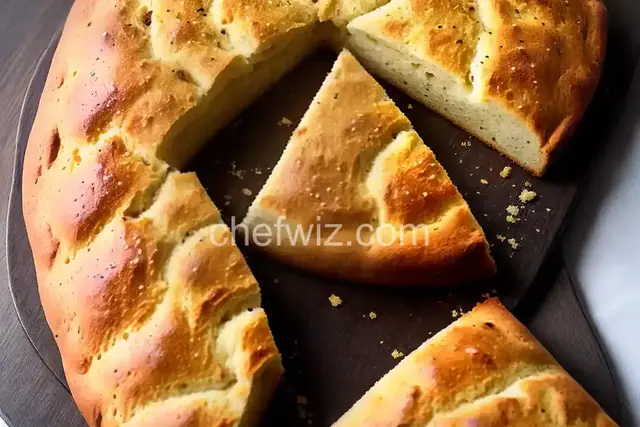
Have you ever tasted a slice of warm, fluffy, and aromatic focaccia bread? It's like taking a stroll through the streets of Italy, where every bite is a burst of flavor. In this article, we'll explore the wonders of classic focaccia bread, from its humble beginnings to its versatile nature. Get ready to tantalize your taste buds and elevate your culinary skills!
Imagine yourself in a charming Italian village, where time seems to slow down and the aroma of freshly baked bread fills the air. Focaccia bread has been a staple in Italian cuisine for centuries, tracing its roots back to ancient Rome. It was initially a simple flatbread made with flour, water, and olive oil, often enjoyed as a snack or accompaniment to meals. Over time, bakers started adding various toppings and herbs, transforming it into the beloved focaccia we know today.
What makes focaccia bread so irresistible? It all starts with the basic ingredients. High-quality flour, preferably bread flour, provides the structure and chewiness that make each bite satisfying. Olive oil, the liquid gold of the Mediterranean, lends a distinct flavor and adds moisture to the bread. And of course, love, the secret ingredient that every home baker infuses into their creations, gives the focaccia its soul.
Creating the perfect focaccia is a labor of love. It begins with kneading the dough, a rhythmic process that develops the gluten and gives the bread its chewy texture. After a period of rest, the dough rises, doubling in size and becoming light and airy. Then comes the exciting part - shaping the dough and adding the toppings. From classic rosemary and sea salt to sun-dried tomatoes and olives, the possibilities are endless. Finally, the focaccia is baked to golden perfection, filling your kitchen with a heavenly aroma.
One of the joys of focaccia bread is its versatility. Whether you prefer it as a standalone snack, a side to soups and salads, or as a base for sandwiches, focaccia delivers on all fronts. Its soft texture and flavorful crust make it an excellent canvas for all your culinary creations. Toast it and top it with fresh tomatoes and mozzarella for a quick bruschetta, or layer it with prosciutto and arugula for a mouthwatering sandwich. The options are limited only by your imagination.
Yes, you can. However, using bread flour will give your focaccia a chewier texture.
Absolutely! Focaccia freezes well. Just wrap it tightly in plastic wrap and store it in the freezer for up to three months.
Brushing the dough with olive oil before baking and using a hot oven will help you achieve a crispy crust.
Definitely! Cheese like mozzarella, Parmesan, or feta can take your focaccia to a whole new level of deliciousness.
Aside from the classic rosemary and sea salt, popular toppings include cherry tomatoes, caramelized onions, garlic, and fresh herbs.
Absolutely! Sweet variations with toppings like fresh fruit, cinnamon, and sugar are a delightful treat.
The process can take anywhere from two to three hours, including rising time.
Olive oil adds a distinct flavor to focaccia, but you can use other oils like vegetable or avocado oil if preferred.
So there you have it - the tantalizing journey of classic focaccia bread. From its ancient origins to its versatility in the modern kitchen, this beloved Italian bread continues to captivate taste buds around the world. So why not embark on your own culinary adventure and create a batch of homemade focaccia? Your taste buds will thank you!
Classic focaccia bread is more than just a delicious treat; it's a journey of flavors and a testament to the art of baking. With its humble beginnings, versatile nature, and variety of toppings, it has become a beloved staple in kitchens worldwide. So why not roll up your sleeves, gather your ingredients, and embark on your own adventure of creating the perfect focaccia? Your taste buds will be forever grateful.
AprilCook, recipe developer and the heart of Chefwiz. More about April