Classic Eggnog Recipe
Rate this recipeBe the first to rate
 By AprilPublished
 When it comes to the holiday season, few things are as synonymous with festive cheer as a glass of classic eggnog.
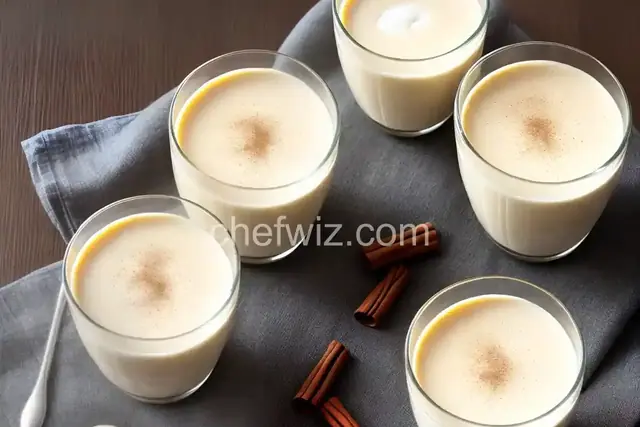 By AprilPublished
 When it comes to the holiday season, few things are as synonymous with festive cheer as a glass of classic eggnog.
In a cocktail shaker, combine 2 eggs, 2 1/2 tablespoons (37g) sugar, 3/4 cup (180ml) milk, 1/2 cup (120ml) cream, and 1/2 cup (120ml) rum, brandy, or a mix of the two.
Shake vigorously until the mixture is well mixed and frothy.
Strain the mixture into 3 to 4 goblets.
Top each goblet with freshly grated nutmeg.
Repeat the process with the remaining ingredients for additional batches.
Place the egg whites in the bowl of a stand mixer and whisk on low speed until they become frothy, which should take around 30 seconds.
Increase the speed to medium-high and continue whisking until the egg whites have a consistency similar to shaving cream, which should take about 90 seconds. Be careful not to overbeat.
Reduce the speed to medium and, with the mixer running, add half of the sugar. Beat until the sugar is fully incorporated, which should take about 30 seconds.
Transfer the whipped egg whites to a large bowl. Do not wash the mixer bowl.
Add the egg yolks and the remaining sugar to the empty mixer bowl. Beat at medium-high speed until the mixture becomes pale yellow and ribbony. Make sure to periodically scrape down the sides of the bowl with a rubber spatula,
When it comes to the holiday season, few things are as synonymous with festive cheer as a glass of classic eggnog. This creamy and rich beverage has been a beloved tradition for centuries, warming the hearts and souls of people around the world. In this article, we will explore the origins of eggnog, its key ingredients, and the joy it brings to holiday gatherings.
Eggnog has a fascinating history that dates back centuries. The exact origins of this delightful concoction are a bit hazy, but it is believed to have originated in medieval Europe, where it was enjoyed by monks as a warming and fortifying beverage during the cold winter months.
As the drink spread across Europe, it became associated with the upper class and was often served at extravagant holiday parties. In England, eggnog was traditionally made with milk, eggs, and sherry or brandy. When the drink made its way to America, colonists put their own spin on it by adding local ingredients such as rum and bourbon.
While there are countless variations of eggnog recipes, the classic version typically includes a few key ingredients that give it its distinct flavor and texture.
As the name suggests, eggs are an essential component of eggnog. They provide richness and thickness to the drink, creating a smooth and velvety texture. Fresh, high-quality eggs are recommended for the best results.
Milk and cream are the base of eggnog, giving it its creamy consistency. Whole milk and heavy cream are commonly used, but you can adjust the ratio based on your preference for a lighter or richer eggnog.
Sweetness is a crucial element in eggnog, and sugar is the go-to ingredient for achieving the perfect balance. It not only enhances the flavor but also helps to thicken the drink and give it a delightful sweetness.
To elevate the taste of eggnog, a combination of spices and flavorings is often added. Common choices include nutmeg, cinnamon, vanilla extract, and a hint of freshly grated nutmeg on top for a festive touch.
While not a necessary ingredient, many people choose to add a splash of alcohol to their eggnog for an extra kick. Traditional options include rum, bourbon, or brandy, but you can experiment with different spirits to find your preferred flavor profile.
There's something truly magical about a glass of eggnog during the holiday season. It's like sipping on a cup of nostalgia and warmth. The creamy texture, the hint of spices, and the sweet aroma create a sensory experience that immediately transports you to cozy family gatherings and joyful celebrations.
Whether you enjoy it by the fireplace, as a dessert, or as a delightful addition to a holiday party, eggnog has a way of bringing people together. It's a beverage that sparks conversations, creates memories, and reminds us of the joy and merriment that the holiday season brings.
So, this year, why not embrace the timeless tradition of classic eggnog? Gather your loved ones, pour yourselves a glass, and raise a toast to the joy and warmth of the holiday season.
Eggnog is more than just a beverage; it's a symbol of holiday cheer, bringing people together and creating cherished memories. Whether you prefer the classic recipe or want to put your own spin on it, eggnog is a delightful treat that embodies the warmth and joy of the holiday season.
Yes, you can definitely enjoy eggnog without alcohol. Simply omit the alcohol from the recipe, and you'll still have a deliciously creamy and flavorful beverage.
Absolutely! While whole milk is traditionally used, you can use any type of milk you prefer, such as skim milk or almond milk, to suit your dietary needs or personal taste.
Eggnog can typically be stored in the refrigerator for up to four days. However, it's important to note that if you add alcohol to your eggnog, it may have a longer shelf life due to the alcohol content.
Yes, you can! There are numerous vegan eggnog recipes available that use plant-based ingredients such as coconut milk or almond milk. These versions still capture the essence of traditional eggnog while catering to a vegan lifestyle.
Absolutely! In fact, making eggnog ahead of time can allow the flavors to meld together, resulting in a more flavorful beverage. Just be sure to store it in an airtight container in the refrigerator until you're ready to serve.
Of course! While the classic spices like nutmeg and cinnamon are commonly used, you can explore different flavor combinations by adding ingredients like chocolate, caramel, or even fruit extracts to create your own unique twist on eggnog.
Absolutely! While chilled eggnog is the traditional way to enjoy it, you can warm it gently on the stovetop or in the microwave if you prefer a cozy, comforting drink.
Yes, you can use alternative sweeteners such as honey, maple syrup, or even artificial sweeteners if you prefer. Just keep in mind that they may affect the taste and texture of the eggnog slightly.
AprilCook, recipe developer and the heart of Chefwiz. More about April