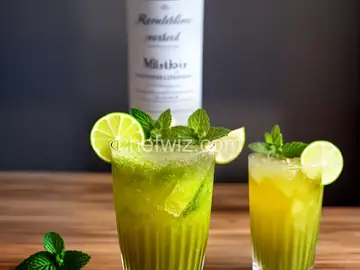
Classic Dry Martini
Rate this recipeBe the first to rate
 By AprilPublished
 Are you a fan of elegant and timeless cocktails? Look no further than the classic dry martini.
 By AprilPublished
 Are you a fan of elegant and timeless cocktails? Look no further than the classic dry martini.
Fill a mixing glass or cocktail shaker with ice.
Combine gin and vermouth in the mixing glass or shaker.
Stir the mixture well for approximately 30 seconds.
Strain the mixture into a martini glass.
Garnish the drink with either an olive or a lemon twist.
Serve and enjoy!
Are you a fan of elegant and timeless cocktails? Look no further than the classic dry martini. This iconic drink has been a staple in the world of mixology for decades, known for its sophistication and simplicity. In this article, we'll dive into the history of the dry martini, explore its ingredients and variations, and share tips on how to make the perfect martini at home.
The exact origins of the martini are unclear, with several theories floating around. Some believe it was named after the Martini & Rossi vermouth, while others think it was named after the Martini & Henry rifle. Regardless of its origin, the martini gained popularity in the late 19th century and has since become a symbol of elegance and refinement.
The classic dry martini consists of just two key ingredients: gin and dry vermouth. The gin provides the base, while the vermouth adds a touch of herbal complexity. Traditionally, the ratio of gin to vermouth is 2:1, but you can adjust it to suit your taste. Some prefer a drier martini with less vermouth, while others enjoy a more balanced flavor.
When it comes to garnishes, the most common choice is a lemon twist or an olive. The lemon twist adds a hint of citrus aroma, while the olive imparts a briny note. Feel free to experiment with other garnishes like cocktail onions or even a sprig of fresh herbs for a unique twist.
Now that you know the basics, let's dive into the process of making a classic dry martini. Start by chilling your martini glass in the freezer or by filling it with ice and cold water. This will help keep your martini nice and cold while you prepare it.
Next, fill a mixing glass with ice and add the desired amount of gin and dry vermouth. Stir gently for about 30 seconds to allow the flavors to meld together. Strain the mixture into your chilled martini glass, discarding any excess liquid.
Finally, add your garnish of choice. Whether it's a lemon twist, an olive, or something more adventurous, the garnish adds the finishing touch to your martini. And there you have it, a perfectly crafted classic dry martini.
While the classic dry martini is a timeless favorite, there are plenty of variations to explore. One popular variation is the dirty martini, which adds a splash of olive brine for a savory twist. For a sweeter option, try the Gibson martini, garnished with a pickled onion.
If gin isn't your spirit of choice, you can also make a vodka martini. Simply replace the gin with vodka and follow the same steps. The result is a smooth and crisp martini with a slightly different flavor profile.
The classic dry martini is a timeless cocktail that never goes out of style. With its simple yet elegant combination of gin and dry vermouth, it's a drink that can be enjoyed by both cocktail enthusiasts and casual drinkers alike. Whether you prefer it stirred or shaken, dirty or dry, the martini is a versatile drink that can be customized to suit your taste. So why not raise a glass and toast to the classic dry martini?
Yes, you can use any type of gin you prefer. Whether it's a London dry gin or a more botanical gin, the choice is up to you. Just make sure you use a good quality gin for the best results.
While it's not traditional, you can certainly substitute dry vermouth with sweet vermouth if that's what you have on hand. Keep in mind that the flavor profile will be different, but it can still make for an enjoyable drink.
To make a dirty martini, simply add a splash of olive brine to your classic dry martini. This will give it a briny and savory flavor. You can also garnish it with a few olives for an extra touch.
Stirring a martini creates a smoother and more velvety texture, while shaking it adds air and creates a frothy consistency. The choice between stirred or shaken is a matter of personal preference.
Yes, you can add a few dashes of bitters to your martini for added complexity. Angostura bitters or orange bitters are popular choices, but feel free to experiment with different flavors.
The classic choice for a martini is a V-shaped martini glass. However, you can also use a coupe glass or even a rocks glass if you prefer. The key is to use a glass that allows you to appreciate the aroma and flavors of the martini.
Absolutely! Garnishing your martini with a cocktail onion is a classic choice, known as a Gibson martini. The pickled onion adds a touch of sweetness and a unique visual appeal.
Yes, you can make a non-alcoholic martini using alternatives to gin and vermouth. There are many non-alcoholic spirits available that mimic the flavors of traditional spirits. Experiment with different options to find your favorite combination.
AprilCook, recipe developer and the heart of Chefwiz. More about April