Classic Dill Pickles
Rate this recipeBe the first to rate
 By AprilPublished
 Have you ever crunched into a tangy, crispy dill pickle? The satisfaction of that refreshing burst of flavor is unparalleled.
 By AprilPublished
 Have you ever crunched into a tangy, crispy dill pickle? The satisfaction of that refreshing burst of flavor is unparalleled.
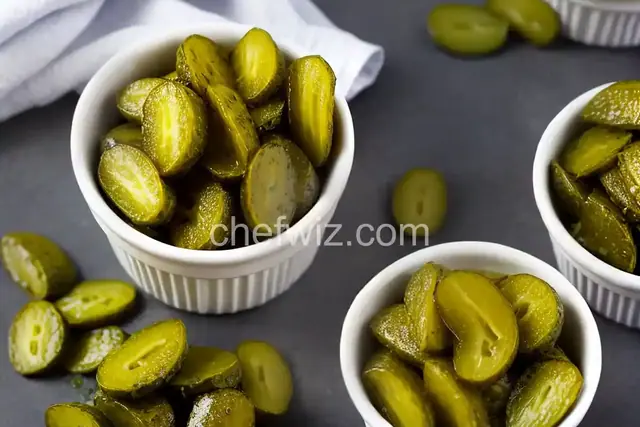
Separate the cucumbers and dill into the jars.
In a small saucepan, combine vinegar, salt, sugar, peppercorns, caraway seeds, and 2 cups of water. Stir until the salt and sugar are dissolved and bring the mixture to a boil.
Evenly pour the hot brine into the jars, covering the cucumbers and dill.
Allow the jars to cool, then refrigerate them.
The pickled cucumbers can be prepared up to 2 months in advance. Keep them chilled.
Have you ever crunched into a tangy, crispy dill pickle? The satisfaction of that refreshing burst of flavor is unparalleled. Dill pickles are a classic favorite, loved by many for their zesty taste and versatility. In this article, we'll explore the world of classic dill pickles, from their history to how you can make your own at home.
Did you know that dill pickles have been around for centuries? They were first created in ancient Mesopotamia, where cucumbers were preserved in brine with dill. This method of pickling was later introduced to Europe and eventually found its way to America. Today, dill pickles are a staple in many households and are enjoyed in various ways.
When it comes to making dill pickles, choosing the right cucumber is crucial. The ideal pickling cucumber is firm, crisp, and free of blemishes. It should be small to medium-sized, as larger cucumbers can result in mushy pickles. The pickling cucumber should also have thin skin, which allows the brine to penetrate and infuse the flavors.
Brining is the key to achieving that signature dill pickle flavor. The cucumbers are soaked in a brine solution, typically made with water, vinegar, salt, and spices. The brining process allows the cucumbers to absorb the flavors of the dill, garlic, and other spices, resulting in a tangy and aromatic pickle.
Now that you know the history and importance of dill pickles, let's dive into the process of making your own. It's surprisingly simple and incredibly rewarding.
Before you start pickling, gather all the necessary ingredients. You'll need fresh cucumbers, dill, garlic, vinegar, water, salt, and any other spices you want to include. Don't forget about the jars for storing your pickles!
Wash the cucumbers thoroughly and slice them into desired shapes. You can choose to leave them whole, cut them into spears, or slice them into rounds. Remember to remove the blossom end of the cucumber, as it contains enzymes that can lead to mushy pickles.
In a pot, combine vinegar, water, salt, and your preferred spices. Bring the mixture to a boil, ensuring the salt is fully dissolved. This brine will serve as the base for your dill pickles.
Layer the cucumbers, dill, and garlic in sterilized jars. Pour the hot brine over the cucumbers, leaving a small headspace at the top. Seal the jars tightly.
Allow the jars to cool to room temperature, and then refrigerate them. The pickles will need to ferment for at least a week before they are ready to be enjoyed. The longer they ferment, the stronger the flavor will be.
Classic dill pickles are a timeless treat that can be enjoyed on their own or paired with your favorite dishes. Making your own pickles allows you to customize the flavors and enjoy the satisfaction of creating something delicious from scratch. So why not embark on a pickling adventure and experience the joy of biting into a homemade dill pickle?
Homemade dill pickles can last up to several months when stored properly in the refrigerator.
Yes, you can reuse the brine for future batches of pickles. Just make sure to strain it and heat it before using it again.
Absolutely! You can add more or less spice to suit your taste preferences. Try experimenting with different types of peppers or spices to create your perfect level of spiciness.
Dill pickles are generally low in calories, making them a healthy snack option. However, it's important to note that some store-bought varieties may contain added sugars or preservatives, so be sure to check the label.
Yes, you can pickle a wide variety of vegetables, including carrots, radishes, onions, and more. The pickling process can add a delicious tangy flavor to many vegetables.
While fresh dill is recommended for its vibrant flavor, you can use dried dill if fresh dill is not available. Just keep in mind that the flavor may be slightly different.
Yes, you can add sugar to the brine if you prefer sweeter pickles. Adjust the amount of sugar to your taste.
Most dill pickles are gluten-free, but it's always important to check the label for any potential gluten-containing ingredients or cross-contamination.
Yes, you can make fermented pickles without using vinegar. Instead, you can use a saltwater brine and allow the pickles to ferment naturally.
AprilCook, recipe developer and the heart of Chefwiz. More about April