Classic Coq au Vin
Rate this recipeBe the first to rate
 By AprilPublished
 Are you in the mood for a rich and flavorful French dish that will transport your taste buds to the streets of Paris?
 By AprilPublished
 Are you in the mood for a rich and flavorful French dish that will transport your taste buds to the streets of Paris?
In a large pot, combine wine, onion, celery, carrot, garlic, and peppercorns.
Bring the mixture to a boil over high heat, then reduce heat to medium and simmer for 5 minutes.
Allow the mixture to cool completely, then mix in the oil.
Place chicken pieces in a large glass bowl.
Pour the wine mixture over the chicken and stir to coat.
Cover the bowl and refrigerate for at least 1 day, up to 2 days, turning the chicken occasionally.
Using tongs, transfer the chicken pieces from the marinade to paper towels to drain and pat dry.
Strain the marinade, reserving the vegetables and liquid separately.
Heat oil in a heavy large pot over medium-high heat.
Add bacon and sauté until crisp and brown.
Transfer the bacon to a small bowl using a slotted spoon.
Add the chicken, skin side down, to the pot and sauté until browned, about 8 minutes per side.
Transfer the chicken to a large bowl.
Add the reserved vegetables from the marinade to the pot and sauté until browned, about 10 minutes.
Mix in flour and stir for 2 minutes.
Gradually whisk in the reserved marinade liquid and bring to a boil, whisking frequently.
Cook until the sauce thickens,
Are you in the mood for a rich and flavorful French dish that will transport your taste buds to the streets of Paris? Look no further than classic Coq au Vin, a traditional chicken stew that is sure to impress even the most discerning palates. In this article, we will delve into the history of this iconic dish, explore the key ingredients that give it its distinct taste, and provide tips on how to prepare it to perfection.
Coq au Vin, which translates to "rooster in wine," is a dish that can be traced back to the French countryside. It originated as a way for farmers to make use of older, tougher roosters that were no longer suitable for breeding. By slow-cooking the rooster in red wine, the meat would become tender and flavorful, ensuring that nothing went to waste.
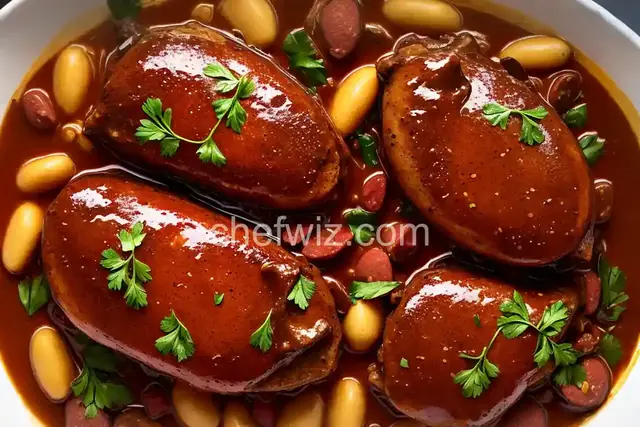
At the heart of Coq au Vin is the combination of chicken, red wine, and a medley of aromatic vegetables. The chicken is typically braised in a rich sauce made from red wine, bacon, onions, and garlic. Thyme and bay leaves add a subtle herbal note, while mushrooms provide an earthy flavor and a pleasing texture. The result is a dish that is both comforting and sophisticated, with layers of complex flavors.
The choice of chicken is crucial to the success of Coq au Vin. Traditionally, a rooster would be used for its robust flavor, but nowadays, chicken thighs or a whole chicken are more commonly used. The dark meat of the thighs adds depth to the dish, while a whole chicken allows for a variety of textures.
The quality of the red wine is key to achieving a rich and flavorful Coq au Vin. A full-bodied wine, such as Burgundy or Pinot Noir, works best. The wine not only infuses the chicken with its distinctive taste but also helps tenderize the meat as it simmers slowly over low heat.
Onions, garlic, and bacon form the flavor base of Coq au Vin. The onions and garlic provide a sweet and savory backdrop to the dish, while the bacon adds a smoky richness that complements the other flavors. When cooked down with the chicken and red wine, these ingredients create a sauce that is out of this world.
While Coq au Vin may seem like a complex dish reserved for special occasions, it is actually quite simple to prepare. The key lies in taking your time and allowing the flavors to meld together. Here are a few tips to help you achieve the perfect Coq au Vin:
Before adding the chicken to the pot, make sure to brown it on all sides. This step not only enhances the flavor of the chicken but also adds a beautiful caramelized color to the final dish.
Coq au Vin is a dish that benefits from low and slow cooking. The longer you let it simmer, the more tender and flavorful the chicken will become. It's worth the wait, trust me.
Coq au Vin is traditionally served with crusty bread or potatoes to soak up the delicious sauce. The bread or potatoes act as the perfect vehicle for savoring every last drop of the rich, wine-infused sauce.
Coq au Vin is a classic French dish that embodies the rustic charm and elegance of French cuisine. Its rich flavors and tender chicken make it a favorite among food lovers worldwide. Whether you're hosting a dinner party or simply craving a comforting meal, Coq au Vin is sure to satisfy. So, grab a bottle of red wine, gather your ingredients, and embark on a culinary journey to the heart of France.
While red wine is the traditional choice for Coq au Vin, you can certainly experiment with white wine. Just keep in mind that the flavor profile will be different, so choose a white wine that complements the other ingredients.
Absolutely! Coq au Vin actually tastes even better the next day as the flavors have had time to develop. Simply reheat it gently on the stovetop or in the oven before serving.
While chicken breasts can be used, they tend to be leaner and may not yield as tender results as thighs. If you prefer white meat, consider using a combination of both chicken breasts and thighs for a balance of flavors and textures.
Yes, Coq au Vin freezes well. Allow it to cool completely before transferring it to an airtight container or freezer bags. It can be stored in the freezer for up to three months.
Yes, you can adapt Coq au Vin for a slow cooker. Simply follow the same steps of browning the chicken and sautéing the vegetables before transferring everything to the slow cooker. Cook on low for 6-8 hours or on high for 3-4 hours.
If you prefer a vegetarian version of Coq au Vin, you can omit the bacon altogether. Alternatively, you can use smoked paprika or liquid smoke to add a smoky flavor to the dish.
While the classic version of Coq au Vin includes onions, garlic, and mushrooms, you can certainly add other vegetables to customize the dish to your liking. Carrots, celery, and pearl onions are popular additions that can enhance the flavor and visual appeal of the dish.
It is recommended to use fresh chicken for Coq au Vin as frozen chicken may release excess moisture during cooking, resulting in a watery sauce. However, if you only have frozen chicken on hand, make sure to thaw it completely before starting the recipe.
AprilCook, recipe developer and the heart of Chefwiz. More about April