Classic Cheesecake
Rate this recipeBe the first to rate
 By AprilPublished
 Are you a fan of creamy, decadent desserts? Look no further than the classic cheesecake.
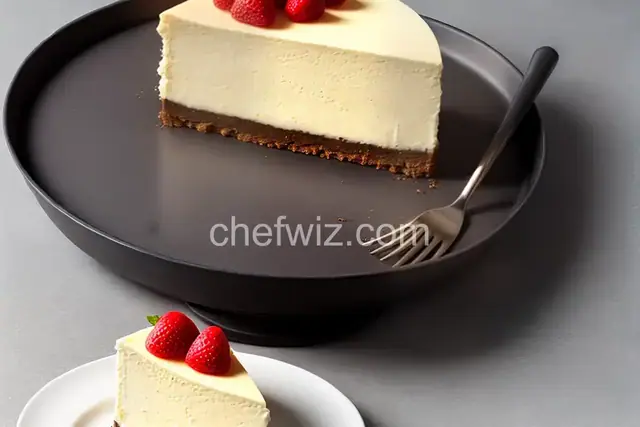 By AprilPublished
 Are you a fan of creamy, decadent desserts? Look no further than the classic cheesecake.
Preheat the oven to 325 degrees F and position the rack in the middle.
In a microwave-safe bowl or saucepan, melt the butter. Brush a 9-inch springform pan with some of the melted butter.
Combine the remaining melted butter with the crumbs, sugar, and salt. Press the mixture evenly onto the bottom of the pan.
Bake the crust for 15 to 18 minutes until golden brown. Let it cool, then wrap the bottom and sides of the pan with foil and place it in a roasting pan.
Using a hand-held mixer, beat the cream cheese until smooth. Add the granulated sugar and beat until light and fluffy, scraping the sides of the bowl as needed.
Slowly beat in the sour cream, followed by the eggs, vanilla, and citrus zests. Be careful not to overmix.
Pour the filling into the cooled crust.
Boil water in a medium saucepan or kettle. Place the roasting pan with the cheesecake in the oven, without pulling the rack out. Pour enough hot water into the roasting pan to come halfway up the side of the springform pan.
Bake the cheesecake for about 1 hour and 10 minutes. The edges will set, but the center will still be slightly loose.
In a separate bowl, stir together the sour cream, confectioners' sugar, and vanilla for the topping. Spread
Are you a fan of creamy, decadent desserts? Look no further than the classic cheesecake. This velvety smooth treat has been tantalizing taste buds for generations. Whether you're a seasoned baker or a newbie in the kitchen, this article will guide you through the delightful world of classic cheesecakes.
Just like any recipe, the success of a classic cheesecake lies in choosing the right ingredients. The star of the show is, of course, cream cheese. Opt for a high-quality brand to ensure a rich and creamy texture. Add a touch of tanginess with some sour cream or yogurt. And don't forget about the sweetener – sugar or honey will do the trick.
A good cheesecake needs a sturdy and flavorful crust to hold it all together. Graham crackers are a popular choice, but you can get creative with alternatives like chocolate cookies or even shortbread. Crush your chosen biscuits, mix in some melted butter, and press the mixture into the bottom of your pan. Voila! You have the foundation for a classic cheesecake.
When it comes to baking your cheesecake, slow and steady wins the race. A low oven temperature and a water bath can help prevent cracks on the surface. Remember to let it cool gradually to avoid any sudden temperature changes. Patience is key here – your taste buds will thank you for it!
Now comes the fun part – choosing your favorite topping. From classic fruit compotes to rich chocolate ganache, the options are endless. Why not try a caramel drizzle or a dollop of whipped cream? Let your creativity run wild and add a personal touch to your classic cheesecake creation.
In conclusion, classic cheesecake is a dessert that never goes out of style. With its creamy texture, buttery crust, and endless topping options, it's a crowd-pleaser for any occasion. So, grab your apron and get ready to indulge in a slice of heaven!
While cream cheese is the traditional choice for classic cheesecakes, you can experiment with other types of cheese like ricotta or mascarpone. Just keep in mind that the flavor and texture may differ from the classic version.
Using a water bath and baking at a low temperature can help prevent cracks on the surface of your cheesecake. Additionally, allowing it to cool gradually after baking can also minimize the chances of cracking.
Yes, you can freeze your cheesecake! Wrap it tightly in plastic wrap and store it in an airtight container before placing it in the freezer. When you're ready to enjoy it, simply thaw it in the refrigerator overnight.
A classic cheesecake needs at least 4 hours to chill in the refrigerator before serving. However, for best results, it's recommended to let it chill overnight to allow the flavors to develop fully.
Absolutely! You can make a gluten-free cheesecake by using gluten-free cookies or crackers for the crust. Ensure that all other ingredients used are also gluten-free to accommodate dietary restrictions.
Yes, you can add a variety of flavors to your cheesecake. From classic additions like vanilla extract or lemon zest to more adventurous options like chocolate chips or espresso powder, the choice is yours!
A homemade cheesecake can stay fresh in the refrigerator for up to 5 days. However, it's unlikely to last that long with its irresistible taste!
Absolutely! Mini cheesecakes are a great option for individual servings or parties. Simply use a muffin tin lined with cupcake liners and adjust the baking time accordingly.
AprilCook, recipe developer and the heart of Chefwiz. More about April