Classic Cheese Fondue
Rate this recipeBe the first to rate
 By AprilPublished
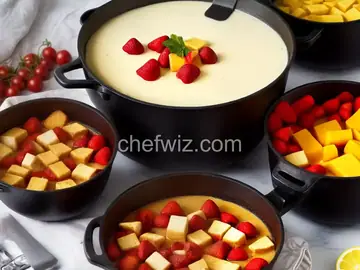
 Imagine a pot of creamy, gooey cheese, bubbling and beckoning you to dip your favorite dippers into its irresistible depths.
 By AprilPublished
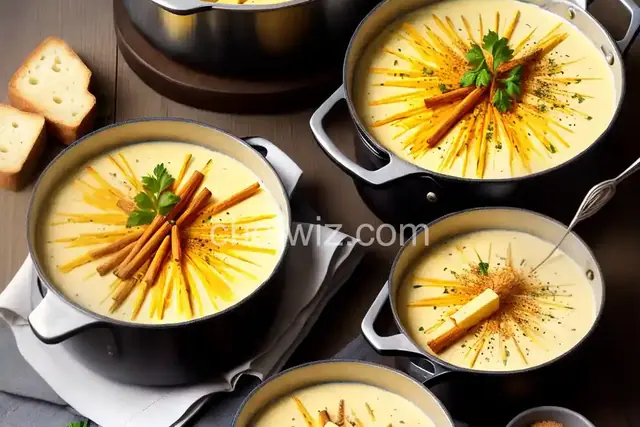
 Imagine a pot of creamy, gooey cheese, bubbling and beckoning you to dip your favorite dippers into its irresistible depths.
To make cheese fondue, begin by combining white wine, cherry brandy, garlic clove, cayenne, nutmeg, and cornstarch in a saucepan. Whisk the ingredients together and place the saucepan on the stove over medium heat. Cook the mixture, whisking occasionally, until it thickens slightly and wisps of steam are visible, which should take about 3 to 5 minutes.
Next, gradually add Gruyere and Emmentaler cheeses to the saucepan, one handful at a time, whisking slowly after each addition until the cheese is fully melted. Continue whisking until the sauce becomes very smooth. Once all the cheese is melted, remove the saucepan from the heat and transfer the mixture to a fondue pot for serving.
Keep the sauce warm while serving to prevent it from solidifying. It is important not to use a sweet cherry liqueur and to use the finest Swiss cheese available. If you prefer a thinner fondue, you can reduce the amount of cheese used.
If you do not have a fondue pot, you can keep the cheese sauce warm in the saucepan on the lowest setting of your stove.
When dipping into the fondue pot, make sure to go all the way to the bottom and stir the cheese as you dip, as the cheese at the bottom will be hotter than the cheese at the top.
Imagine a pot of creamy, gooey cheese, bubbling and beckoning you to dip your favorite dippers into its irresistible depths. That's the magic of classic cheese fondue. Made with a blend of rich, flavorful cheeses, this Swiss dish has been delighting taste buds for centuries. But what exactly makes a classic cheese fondue so special? Let's dive in and find out.
When it comes to a classic cheese fondue, the cheeses take center stage. Typically, a combination of Gruyère and Emmental cheese is used. Gruyère adds a nutty, slightly sweet flavor, while Emmental brings a mild, buttery taste to the mix. Together, these cheeses create a velvety smooth texture and a delightful balance of flavors.
What sets a classic cheese fondue apart from other cheese dips is the addition of white wine. The wine not only adds a unique, subtle flavor but also helps to prevent the cheese from becoming too thick or stringy. The alcohol in the wine evaporates during cooking, so you don't have to worry about getting tipsy from your fondue!
Preparing a classic cheese fondue is a relatively simple process. Start by rubbing the inside of the fondue pot with a garlic clove to infuse a hint of garlic flavor. Then, combine the cheeses, wine, a splash of lemon juice, and a touch of cornstarch in the pot. Slowly heat the mixture, stirring constantly until the cheese melts and becomes smooth and creamy.
Now that your classic cheese fondue is ready, it's time to decide what to dip into its cheesy goodness. Traditional options include cubed bread, boiled potatoes, and blanched vegetables like broccoli and cauliflower. But don't limit yourself! Get creative and add items like apple slices, cooked sausages, or even pretzels for a unique twist.
Classic cheese fondue is more than just a delicious dish. It's an experience that brings people together. Picture gathering around the fondue pot with family and friends, sharing laughter and stories as you dip and savor each bite. Fondue has a way of creating memorable moments and fostering a sense of togetherness.
In the world of comfort food, classic cheese fondue reigns supreme. Its combination of decadent cheeses, the subtle touch of wine, and the joy of dipping make it a timeless favorite. So why not gather your loved ones, fire up the fondue pot, and create your own unforgettable fondue experience? The possibilities are endless, and the memories will last a lifetime.
Absolutely! While Gruyère and Emmental are the classic choices, you can experiment with other cheeses to create your own unique flavor profile. Just make sure they melt well and complement each other.
While wine is a traditional ingredient in classic cheese fondue, you can substitute it with other liquids like broth or apple cider if you prefer. However, keep in mind that it might alter the flavor slightly.
Yes, you can! A fondue pot is ideal for keeping the cheese warm and melty, but you can use a regular saucepan or a slow cooker to achieve a similar result. Just make sure to transfer the fondue to a preheated serving dish to keep it warm.
It's best to enjoy cheese fondue immediately after preparing it, as it tends to thicken and become less creamy as it cools. However, you can reheat any leftovers gently on the stovetop or in the microwave.
Absolutely! In addition to the traditional bread and potatoes, you can dip blanched vegetables like carrots, zucchini, or bell peppers. You can also try fruits like grapes or pear slices for a refreshing twist.
Yes, you can omit the wine if you prefer. Just replace it with an equal amount of vegetable broth or apple juice to maintain the desired consistency and flavor.
To prevent clumping, make sure to shred or grate the cheese before adding it to the pot. Tossing the cheese with cornstarch before melting can also help with achieving a smooth and creamy texture.
Unfortunately, cheese fondue does not freeze well due to the nature of the cheese. It is best enjoyed fresh, but you can refrigerate any leftovers and reheat them gently when ready to enjoy again.
AprilCook, recipe developer and the heart of Chefwiz. More about April