Cilantro Oil
Rate this recipeBe the first to rate
 By AprilPublished
 Have you ever wondered how a tiny herb could transform a dish from ordinary to extraordinary?
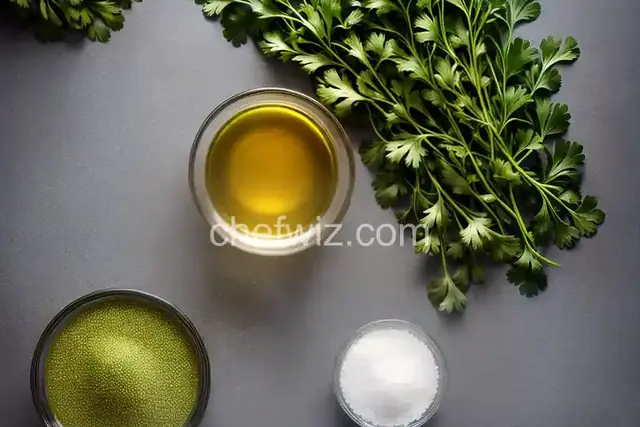 By AprilPublished
 Have you ever wondered how a tiny herb could transform a dish from ordinary to extraordinary?
In a food processor, mix together all the ingredients except water until they are almost smooth.
Pour the puree into a fine strainer that is placed over a bowl.
Use a rubber spatula to press on the solids in the strainer, extracting as much liquid as possible. Discard the solids.
Whisk 1/4 cup of water into the mixture in the bowl.
Season the mixture with salt and pepper, according to your taste.
If desired, you can prepare this recipe ahead of time. Simply cover and refrigerate for up to 1 day. Before using, give it a good whisking.
Have you ever wondered how a tiny herb could transform a dish from ordinary to extraordinary? Cilantro, with its vibrant green leaves and unmistakable aroma, holds the power to elevate the flavors in any culinary creation. And when it comes to cilantro's versatility, nothing quite matches the magic of cilantro oil. In this article, we will delve into the world of cilantro oil, exploring its uses, benefits, and how to make your very own. So, let's embark on this flavorful journey together!
Cilantro oil is like a secret weapon in the kitchen, adding a burst of freshness and complexity to a wide range of dishes. Whether you're whipping up a zesty salad dressing, marinating meats, or drizzling it over roasted vegetables, cilantro oil is a game-changer. Its bright, herbaceous notes infuse the dish with a tantalizing aroma and a burst of flavor that will leave your taste buds dancing with delight.
Looking to take your salads to the next level? Look no further than cilantro oil. Toss it with mixed greens, cherry tomatoes, and feta cheese for a refreshing summer salad. Or blend it with lime juice, honey, and a pinch of salt for a tangy and vibrant dressing that will make any salad shine.
When it comes to marinating meats or seafood, cilantro oil works wonders. Its bold flavor profile pairs perfectly with grilled chicken, shrimp, or even tofu. Combine it with garlic, lime juice, and a dash of cumin for a marinade that will transform your protein into a mouthwatering masterpiece. And let's not forget about sauces! Whether you're making a chimichurri or a cilantro-infused aioli, cilantro oil adds that extra oomph to elevate any sauce.
Roasting vegetables brings out their natural sweetness, and cilantro oil takes it to a whole new level. Drizzle it over roasted carrots, potatoes, or cauliflower for a burst of freshness that complements the caramelized flavors. The result? A side dish that will steal the show and have everyone asking for your recipe.
Apart from its incredible flavor, cilantro oil also offers a range of health benefits. It is rich in antioxidants, which help protect the body against free radicals and oxidative stress. Cilantro oil also boasts antimicrobial properties, making it a natural ally in fighting off harmful bacteria. Additionally, it may aid in digestion and promote healthy liver function. So, not only does cilantro oil make your taste buds sing, but it also supports your overall well-being.
Making cilantro oil at home is easier than you might think. All you need are fresh cilantro leaves, a high-quality oil such as olive or avocado oil, and a blender or food processor. Simply blend the cilantro leaves with the oil until smooth, then strain the mixture to remove any solids. Voila! Your homemade cilantro oil is ready to be used in all your culinary adventures.
Cilantro oil is a culinary delight that adds a burst of freshness and flavor to any dish. Its versatility knows no bounds, whether it's salads, marinades, sauces, or roasted vegetables. Not only does cilantro oil tantalize the taste buds, but it also brings a host of health benefits to the table. So, next time you're in the kitchen, channel your inner chef and let cilantro oil work its magic.
Yes, cilantro oil can be used as a substitute for fresh cilantro. Just keep in mind that the flavor intensity may vary, so adjust the quantity accordingly.
Homemade cilantro oil can last for up to two weeks if stored in an airtight container in the refrigerator.
While cilantro oil is more commonly used in savory dishes, it can add an interesting twist to certain baked goods. Experiment with small amounts in recipes like herb bread or savory muffins.
Some individuals may have an allergy or sensitivity to cilantro. If you experience any adverse reactions, discontinue use and consult a healthcare professional.
Cilantro oil can be frozen in ice cube trays for convenient portioning. Just pop out a cube whenever you need to add a burst of flavor to your dishes.
While the leaves are the most flavor-packed part of the cilantro plant, the stems can also be used to make cilantro oil. Just ensure they are thoroughly washed and free from any dirt or debris.
Absolutely! Feel free to experiment with different herb combinations like cilantro and basil or cilantro and mint to create unique flavor profiles.
Cilantro oil can be used as a standalone dressing, but you may want to add other ingredients like vinegar or citrus juice to balance the flavors.
Now that you're armed with the knowledge of cilantro oil's culinary wonders, it's time to get creative in the kitchen. So go ahead, savor the freshness, and let cilantro oil take your dishes to new heights!
AprilCook, recipe developer and the heart of Chefwiz. More about April