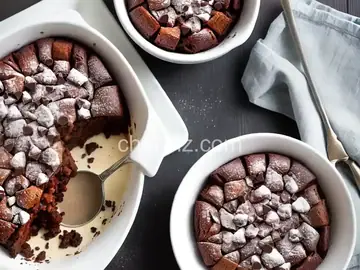
Chocolate Chunk Cookies
Rate this recipeBe the first to rate
 By AprilPublished
 Who can resist the warm, gooey goodness of a chocolate chunk cookie?
 By AprilPublished
 Who can resist the warm, gooey goodness of a chocolate chunk cookie?
Preheat the oven to 350 degrees.
In the bowl of an electric mixer fitted with the paddle attachment, cream together the butter and two sugars until they become light and fluffy.
Add the vanilla to the mixture, followed by the eggs one at a time, mixing well after each addition.
In a separate bowl, sift together the flour, baking soda, and salt.
Gradually add the sifted dry ingredients to the butter mixture using the mixer on low speed. Mix only until the ingredients are combined.
Fold in the walnuts and chocolate chunks.
Line a baking sheet with parchment paper and drop the dough onto it using a 1 3/4-inch-diameter ice cream scoop or a rounded tablespoon.
Dampen your hands and slightly flatten the dough.
Bake the cookies in the preheated oven for exactly 15 minutes. They may seem underdone but that's okay.
After removing the cookies from the oven, let them cool slightly on the pan before transferring them to a wire rack to cool completely.
Who can resist the warm, gooey goodness of a chocolate chunk cookie? The rich aroma that wafts through the kitchen as they bake, and the mouthwatering taste that lingers on your tongue with every bite. Chocolate chunk cookies are the epitome of comfort food, bringing joy and satisfaction to people of all ages. In this article, we will delve into the world of chocolate chunk cookies, exploring their origins, variations, and tips for baking the perfect batch.
Chocolate chunk cookies have a fascinating history that dates back to the 1930s. It all started when Ruth Graves Wakefield, the owner of the Toll House Inn in Whitman, Massachusetts, ran out of baker's chocolate while making her popular Butter Drop Do cookies. In a moment of inspiration, she decided to break up a bar of semisweet chocolate into small chunks and add them to the cookie dough. Little did she know that this simple act would revolutionize the cookie industry.
Wakefield's creation quickly gained popularity, and in 1939, she struck a deal with Nestle, the chocolate company. They agreed to print her recipe on their chocolate bars, and in return, she received a lifetime supply of chocolate. This partnership eventually led to the birth of Nestle Toll House Chocolate Chip Cookies, which became an instant classic.
While the classic chocolate chunk cookie recipe remains a favorite, there are countless variations that cater to different tastes. From white chocolate macadamia nut cookies to double chocolate chunk cookies, the possibilities are endless. You can even experiment with adding ingredients like nuts, dried fruits, or even a sprinkle of sea salt to elevate the flavor profile.
For those with dietary restrictions, there are also options available. Gluten-free chocolate chunk cookies, made with alternative flours like almond or coconut flour, offer a delicious alternative for those avoiding gluten. Vegan chocolate chunk cookies, made with plant-based ingredients like coconut oil and almond milk, are a treat for both vegans and non-vegans alike.
Baking the perfect batch of chocolate chunk cookies requires a combination of technique and attention to detail. Here are a few tips to help you achieve cookie perfection:
The quality of your ingredients greatly affects the taste and texture of your cookies. Opt for premium chocolate chunks, unsalted butter, and fresh eggs for the best results.
Chilling the dough for at least an hour before baking helps the flavors meld together and prevents the cookies from spreading too much. This step is essential for achieving that perfect balance of crispy edges and a soft, chewy center.
Overmixing the dough can lead to dense and tough cookies. Mix the ingredients just until they are combined, and avoid overworking the dough.
Line your baking sheets with parchment paper or silicone baking mats to prevent the cookies from sticking and ensure even baking.
Every oven is different, so it's essential to experiment with baking times to achieve your desired cookie texture. For soft and chewy cookies, bake for a shorter time, and for crispy cookies, extend the baking time slightly.
Chocolate chunk cookies are a timeless treat that brings joy to people around the world. Whether you prefer the classic recipe or like to explore different variations, there's a chocolate chunk cookie for everyone. By following these tips, you'll be well on your way to baking the perfect batch of these irresistible delights. So grab your apron and get ready to indulge in the warm, melty goodness of chocolate chunk cookies!
Absolutely! The choice of chocolate is entirely up to you. Milk chocolate will lend a sweeter and creamier flavor to your cookies.
Yes, you can freeze the cookie dough for future use. Simply portion the dough into balls and place them on a baking sheet. Freeze until firm, then transfer the dough balls to a freezer-safe bag. When you're ready to bake, you can take out the desired number of dough balls and bake them straight from the freezer.
Chocolate chunk cookies can stay fresh for up to a week when stored in an airtight container at room temperature. You can also extend their shelf life by storing them in the refrigerator or freezer.
While you can use margarine as a substitute, keep in mind that it may affect the taste and texture of the cookies. Butter is preferred for its rich flavor and the perfect texture it imparts to the cookies.
Absolutely! Using a cookie scoop ensures that your cookies are evenly sized, resulting in consistent baking. It also saves time and makes the process more efficient.
Chilling the dough before baking helps prevent excessive spreading. Additionally, using a higher ratio of flour to fat in the recipe can also help control spreading.
Of course! Nuts add a delightful crunch and extra flavor to chocolate chunk cookies. You can use your favorite nuts, such as walnuts, pecans, or almonds.
Absolutely! Adjust the size of the cookie dough balls to your preference. Keep in mind that smaller cookies will require a shorter baking time, while larger cookies will need a longer baking time.
AprilCook, recipe developer and the heart of Chefwiz. More about April