Chive Oil From 'Daniel'
Rate this recipeBe the first to rate
 By AprilPublished
 Do you love the vibrant and fresh taste of chives? If so, then you're in for a treat!
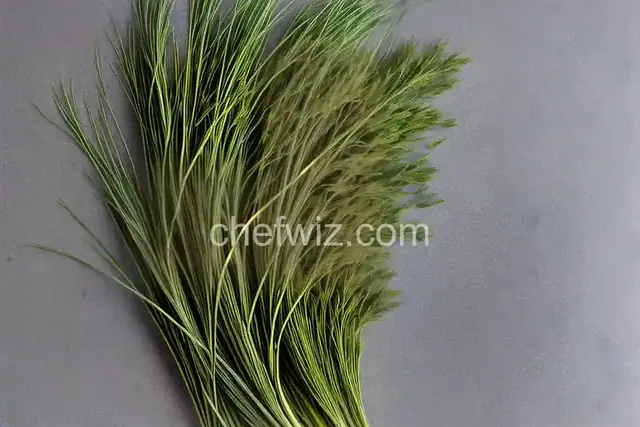 By AprilPublished
 Do you love the vibrant and fresh taste of chives? If so, then you're in for a treat!
In a medium pot, bring water to a boil and add salt.
Prepare a bowl of ice water aside.
Boil the chives for 2 to 3 minutes until they become tender.
Remove the chives from the pot and transfer them to the bowl of ice water to chill.
Squeeze the chilled chives to remove excess water.
Place the squeezed chives and grapeseed oil in a blender.
Blend on high speed until the mixture becomes smooth and bright green.
Transfer the mixture to a saucepan and simmer until the liquid stops bubbling, being careful not to fry the greens.
Take a fine-meshed sieve and line it with a coffee filter.
Position the sieve over a dry bowl.
Pour the mixture into the sieve, allowing the oil to strain through the coffee filter.
Place the bowl with the sieve and oil in the refrigerator.
Let the oil strain undisturbed for approximately 2 hours.
After 2 hours, remove the bowl from the refrigerator.
Transfer the strained oil to a squeeze bottle.
Store the bottle in the refrigerator until needed.
Do you love the vibrant and fresh taste of chives? If so, then you're in for a treat! In this article, we'll explore the wonderful world of chive oil, a versatile condiment that can elevate your dishes to a whole new level. Whether you're a seasoned chef or a culinary novice, chive oil is a must-have in your kitchen arsenal.
Chive oil is a simple yet flavorful infusion made by combining fresh chives with oil. It's incredibly easy to make and requires just a few ingredients. The result is a beautiful green oil that boasts the distinct taste and aroma of chives.
Making chive oil is a breeze. Start by gathering a bunch of fresh chives and rinsing them thoroughly. Next, chop the chives into small pieces. Now, it's time to infuse the oil. Combine the chopped chives with your oil of choice, such as olive oil or sunflower oil, and let the mixture sit for a few hours to allow the flavors to meld together. Finally, strain the oil to remove any solid particles, and voila! You have a delicious batch of homemade chive oil.
To achieve the best results, ensure you're using fresh chives. The fresher the chives, the more vibrant the flavor and color of your chive oil will be. Additionally, consider using a neutral-flavored oil, like sunflower oil, as it won't overpower the delicate taste of the chives. Lastly, store your chive oil in a cool, dark place to maintain its freshness and flavor for as long as possible.
The uses for chive oil are endless. Drizzle it over a creamy potato soup for an added burst of flavor. Use it as a marinade for grilled vegetables to infuse them with a delightful chive essence. Or, simply drizzle it over a fresh salad to create a restaurant-worthy dish. The possibilities are truly endless!
Chive oil can be used as a versatile ingredient in various recipes. It can be added to sauces, dressings, and dips to give them a unique twist. Imagine the tangy kick of a chive-infused aioli or the zesty freshness of a chive vinaigrette. With chive oil, you can take your culinary creations to new heights.
Looking for a thoughtful and unique gift for the foodie in your life? Look no further than chive oil. Package it in a beautiful bottle, and you have a homemade gift that will impress even the most discerning palates. It's a present that shows you care and have put thought into creating something special.
Chive oil is a game-changer in the kitchen. Its vibrant flavor and versatility make it a must-have condiment for any food lover. Whether you're drizzling it on a salad, marinating vegetables, or creating a mouthwatering sauce, chive oil is sure to elevate your dishes to new heights. So, why not give it a try and experience the magic of chive oil for yourself?
When stored properly, chive oil can last for up to two weeks in the refrigerator.
While fresh chives are recommended for the best flavor and color, you can use dried chives in a pinch. Just keep in mind that the taste may be slightly different.
Yes, you can freeze chive oil in an airtight container for future use. Be sure to thaw it in the refrigerator before using.
Chive oil is typically used as a finishing touch or for cold applications, like salads and dressings. It's not commonly used in baking.
Absolutely! Chive oil is just one of many herb-infused oils you can make. Feel free to experiment with other herbs like basil, rosemary, or thyme.
While chive oil can add a similar flavor, it won't provide the same texture and appearance as fresh chives. It's best to use chive oil as a complement to fresh chives rather than a direct substitute.
Absolutely! Feel free to experiment with flavored oils like garlic-infused or chili-infused oils for a unique twist on chive oil.
Chive oil can be used as a base for a simple vinaigrette by adding some vinegar or lemon juice. However, on its own, it may lack the acidity typically found in salad dressings.
AprilCook, recipe developer and the heart of Chefwiz. More about April