Chinese Steamed Buns
Rate this recipeBe the first to rate
 By AprilPublished
 Have you ever wondered what makes Chinese cuisine so unique and diverse?
 By AprilPublished
 Have you ever wondered what makes Chinese cuisine so unique and diverse?
In a large bowl, combine 1/4 cup flour, 1/4 cup warm water, yeast, and 1 teaspoon sugar. Mix well and let it sit for 30 minutes.
Add the remaining 1 1/2 cups flour, remaining 1/2 cup warm water, 2 tablespoons sugar, vegetable oil, and salt to the bowl. Mix everything together until a smooth and elastic dough forms.
Transfer the dough to a greased bowl and roll it around to coat it with oil. Let it sit and rise until it triples in size, which should take about 2 1/2 to 3 hours.
Once the dough has risen, punch it down and place it on a floured board. Sprinkle baking powder evenly over the surface of the dough and knead it for 5 minutes.
Divide the dough in half and set one half aside in a covered bowl. Take the remaining half and divide it into 12 equal pieces. Shape each piece into a ball and place them on small squares of waxed paper with the smooth surface facing up. Repeat this process with the other half of the dough. Cover all the dough balls and let them sit until they double in size, which should take about 30 minutes.
Fill a wok with water and bring it to a boil. Reduce the heat to medium and maintain a low boil. Place a steam plate on a small wire rack in
Have you ever wondered what makes Chinese cuisine so unique and diverse? From Peking Duck to Dim Sum, Chinese food is known for its exquisite flavors and delightful textures. Among the many popular dishes, Chinese Steamed Buns hold a special place in the hearts of food enthusiasts around the world. In this article, we'll take you on a culinary journey to explore the charm and deliciousness of Chinese Steamed Buns.
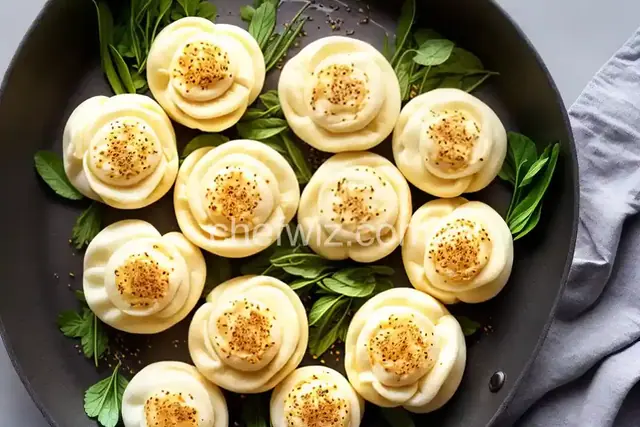
Imagine a soft and fluffy bun, steamed to perfection, with a savory filling that bursts with flavors in every bite. Chinese Steamed Buns, also known as Baozi, are a staple in Chinese cuisine. These little parcels of joy come in various shapes, sizes, and fillings, making them a versatile choice for any meal of the day.
Just like the diverse cultures and regions across China, Chinese Steamed Buns offer a plethora of options to tantalize your taste buds. From classic fillings like pork, chicken, and vegetables, to more adventurous choices like seafood or even sweet varieties, there is a steamed bun to suit every palate.
Creating the perfect Chinese Steamed Bun requires skill and precision. The dough is prepared by combining flour, yeast, water, and a touch of sugar. The dough is then left to rise, allowing it to develop its characteristic pillowy texture. Once risen, the dough is divided into small portions and filled with the desired ingredients.
After assembling the buns, they are placed in a steamer basket and cooked over high heat. The steam permeates the buns, causing them to expand and become light and fluffy. The result is a delightful combination of soft dough and flavorful filling that melts in your mouth.
Chinese Steamed Buns have a rich history that dates back centuries. They have been a staple food in Chinese households and are often associated with celebrations and special occasions. In Chinese culture, sharing a meal with loved ones is a way of expressing love, respect, and unity. Chinese Steamed Buns, with their communal nature, perfectly embody these values.
Moreover, the round shape of the buns symbolizes harmony and completeness. In Chinese folklore, it is believed that consuming round foods, such as Chinese Steamed Buns, brings good luck and prosperity. So, not only are these buns delicious, but they also carry a deep cultural significance.
Chinese Steamed Buns are not just food; they are a symbol of tradition, unity, and good fortune. These little pockets of joy offer a delightful culinary experience with their soft and fluffy texture and diverse range of fillings. Whether you enjoy them as a snack, a side dish, or a main course, Chinese Steamed Buns are sure to leave you craving for more. So, why not embark on a culinary adventure and savor the magic of Chinese Steamed Buns?
Yes, Chinese Steamed Buns can be frozen. After steaming, let them cool completely, then place them in an airtight container or freezer bag. When ready to eat, simply steam them again until heated through.
Chinese Steamed Buns can be a healthy choice, especially if you opt for fillings like lean meats and vegetables. However, keep in mind that some fillings may be higher in calories and sodium, so moderation is key.
While yeast is traditionally used to make Chinese Steamed Buns, you can find recipes that use baking powder or other leavening agents as alternatives. However, the texture and taste may differ slightly.
No, Chinese Steamed Buns are not typically gluten-free as they are made with wheat flour. However, there are gluten-free variations available that use alternative flours like rice flour or tapioca starch.
Yes, if you don't have a steamer basket, you can steam Chinese Steamed Buns in a regular pot. Simply place a heatproof plate or a steaming rack at the bottom of the pot and add water. Place the buns on the plate or rack and cover the pot with a lid to trap the steam.
Chinese Steamed Buns are best enjoyed fresh. They can be stored in the refrigerator for up to 2-3 days, but their texture may become slightly denser. It's recommended to consume them as soon as possible for the best taste and texture.
Chinese and Japanese Steamed Buns may look similar, but they have distinct differences. Chinese Steamed Buns tend to have a thicker, chewier texture, while Japanese Steamed Buns, known as Nikuman, are often softer and fluffier.
Yes, if you're short on time or prefer convenience, you can use pre-made dough to make Chinese Steamed Buns. Look for pre-made dough specifically meant for steamed buns in Asian grocery stores or online.
AprilCook, recipe developer and the heart of Chefwiz. More about April