Chinese Pork Dumplings
Rate this recipeBe the first to rate
 By AprilPublished
 Are you ready to embark on a culinary adventure that combines the flavors of succulent pork and delicate dumplings?
 By AprilPublished
 Are you ready to embark on a culinary adventure that combines the flavors of succulent pork and delicate dumplings?
Prepare the dipping sauce by combining soy sauce, rice vinegar, chives, sesame seeds, and chili sauce in a small bowl. Set aside.
To make the dumplings, mix pork, garlic, egg, chives, soy sauce, sesame oil, and ginger in a large bowl until thoroughly combined.
Place a dumpling wrapper on a lightly floured work surface and spoon about 1 tablespoon of the filling in the middle.
Wet the edge of the wrapper with a little water and crimp together, forming small pleats to seal the dumpling. Repeat this process to make the remaining dumplings.
Heat 1 to 2 tablespoons of vegetable oil in a large skillet over medium-high heat. Place 8 to 10 dumplings in the pan and cook until browned, about 2 minutes per side.
Pour in 1 cup of water, cover the skillet, and cook until the dumplings are tender and the pork is cooked through, about 5 minutes.
Repeat the cooking process with the remaining dumplings, adding more oil and water for each batch.
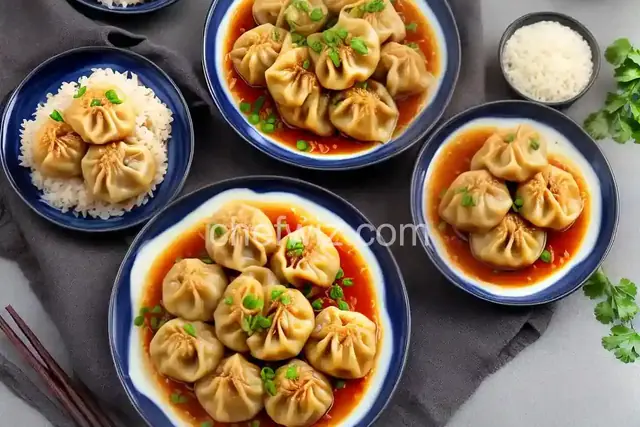
Serve the dumplings with the prepared dipping sauce.
Please note that there may be differences in the recipe name, ingredient amounts, and filling options when using the magazine version of this recipe.
For shrimp dumplings, stir together finely chopped fresh shrimp, chopped water chestnuts, egg yolk, Chinese chives or chives, soy sauce, minced fresh ginger, and toasted sesame oil in a bowl.
For mushroom and tofu
Are you ready to embark on a culinary adventure that combines the flavors of succulent pork and delicate dumplings? Look no further than Chinese pork dumplings! These delectable bite-sized treats are a staple in Chinese cuisine, loved by people all over the world. In this article, we will explore the art of making Chinese pork dumplings and delve into the rich history and cultural significance behind this beloved dish.
Chinese pork dumplings, also known as "jiaozi," have a history that stretches back centuries. Legend has it that Zhang Zhongjing, a renowned Chinese physician, created the first dumplings during the Eastern Han Dynasty. He noticed that many people suffered from frostbite during the harsh winter months, and he wanted to find a way to provide them with warm nourishment. Thus, the idea of wrapping meat and vegetables in a thin dough skin was born.
Over time, Chinese pork dumplings gained popularity not only for their nourishing qualities but also for their symbolic significance. Dumplings are traditionally eaten during the Chinese New Year as a symbol of wealth and prosperity. Their shape resembles ancient Chinese currency, and it is believed that the more dumplings you eat during the festive season, the more wealth you will accumulate in the coming year.
Creating the perfect Chinese pork dumplings requires a delicate balance of flavors and textures. The filling is typically made with ground pork, cabbage, ginger, garlic, and a medley of seasonings. The dumpling wrappers are made from a simple mixture of flour and water, rolled out into thin circles.
One of the most crucial steps in making Chinese pork dumplings is the folding technique. It takes practice and patience to achieve the desired pleated shape. The folding process not only ensures that the filling is securely sealed inside but also gives the dumplings their distinctive appearance. Each dumpling is like a little work of art, with its unique pattern of pleats.
Chinese pork dumplings are incredibly versatile and can be enjoyed in various ways. They can be steamed, boiled, or pan-fried, each cooking method offering a different taste and texture. Steamed dumplings are light and tender, while boiled dumplings have a satisfying chewiness. Pan-fried dumplings, also known as potstickers, have a crispy golden exterior that adds a delightful crunch to each bite.
When it comes to serving Chinese pork dumplings, the options are endless. They can be enjoyed as an appetizer, a main course, or even as a snack. Dip them in a flavorful sauce, such as soy sauce or chili oil, to enhance their taste. As you bite into the dumpling, you will be greeted with a burst of flavors from the savory pork filling and the fragrant seasonings.
There are various ways to fold Chinese pork dumplings, but the most common method is the pleated fold. Start by placing a small amount of filling in the center of the wrapper, then fold it in half and pinch the edges together. Create pleats along the sealed edge, making sure the dumpling is tightly sealed.
Absolutely! While pork is the traditional choice for Chinese dumplings, you can experiment with other meats such as chicken, beef, or even seafood. Each meat will bring its own unique flavor to the dumplings.
Yes, you can! Chinese pork dumplings freeze well and can be made in advance. Simply assemble the dumplings and place them on a baking sheet lined with parchment paper. Once frozen, transfer them to an airtight container or freezer bag. They can be cooked directly from frozen, adding a few extra minutes to the cooking time.
Absolutely! Vegetarian dumplings are just as delicious and can be made by substituting the meat filling with a combination of vegetables, tofu, and mushrooms. The seasonings and flavors can be adjusted to suit your preferences.
There are several popular dipping sauces for Chinese pork dumplings, including soy sauce, black vinegar, chili oil, and a combination of soy sauce and rice vinegar. You can also add additional ingredients such as ginger, garlic, or sesame oil to create your own unique sauce.
Yes, you can make gluten-free dumplings by using a combination of gluten-free flours such as rice flour, tapioca flour, and potato starch. The texture may be slightly different from traditional dumplings, but they can still be delicious.
The cooking time for Chinese pork dumplings depends on the cooking method. Steamed dumplings usually take around 10-15 minutes, while boiled dumplings take approximately 5-7 minutes. Pan-fried dumplings require a longer cooking time of around 8-10 minutes to ensure that they are crispy and golden.
Absolutely! Chinese pork dumplings offer endless possibilities for customization. You can adjust the seasonings to suit your taste preferences, adding more or less ginger, garlic, soy sauce, or any other seasonings you enjoy. Let your creativity shine!
In conclusion, Chinese pork dumplings are not just a delicious culinary delight, but also a symbol of tradition, prosperity, and cultural heritage. Whether you are a novice cook or a seasoned chef, making Chinese pork dumplings is a rewarding experience that allows you to explore the rich flavors of Chinese cuisine. So why not gather your ingredients, roll up your sleeves, and embark on a dumpling-making adventure? Your taste buds will thank you!
AprilCook, recipe developer and the heart of Chefwiz. More about April