Chinese Plum Sauce
Rate this recipeBe the first to rate
 By AprilPublished
 Have you ever tried Chinese plum sauce? If not, you're missing out on a delightful blend of flavors that can elevate any dish.
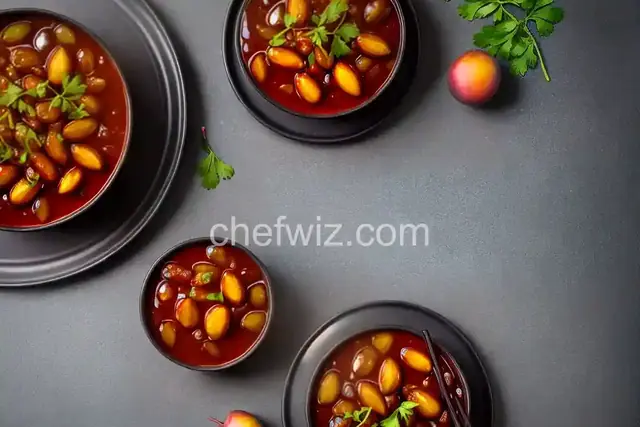 By AprilPublished
 Have you ever tried Chinese plum sauce? If not, you're missing out on a delightful blend of flavors that can elevate any dish.
In a small pot, combine plums, sugar, apple cider vinegar, unseasoned rice vinegar, soy sauce, Chinese five-spice powder, ginger coins, chile, and 1/4 teaspoon salt.
Bring the mixture to a boil, then reduce the heat to medium.
Cover the pot and simmer for approximately 20 minutes until the plums are soft.
Allow the mixture to cool for 5 minutes.
Transfer the cooled mixture to a blender, filling it halfway.
Put the lid on the blender, leaving one corner open.
Cover the lid with a kitchen towel to prevent splatters.
Pulse the blender until the mixture is smooth. Alternatively, use an immersion blender until smooth.
Transfer the blended plum mixture back to the same pot.
Cook over medium heat, stirring frequently, until the mixture thickens and you can see the bottom of the pot when you run a rubber spatula across it (approximately 5 minutes).
Transfer the thickened mixture to a medium bowl or plate.
Allow the mixture to cool to room temperature, which usually takes about 2 hours.
Store the sauce in an airtight container in the refrigerator for up to 2 weeks or in the freezer for up to 2 months.
Have you ever tried Chinese plum sauce? If not, you're missing out on a delightful blend of flavors that can elevate any dish. This sweet and tangy condiment is a staple in Chinese cuisine, adding a burst of flavor to stir-fries, spring rolls, and even grilled meats. In this article, we'll explore the origins of Chinese plum sauce, the key ingredients that give it its unique taste, and how you can incorporate it into your own cooking. So, let's dive in and discover the magic of Chinese plum sauce!
Chinese plum sauce, also known as duck sauce, has a long and storied history. It is believed to have originated in Southern China, where plums are abundant. The sauce was traditionally made by simmering plums with various spices and seasonings, resulting in a thick and flavorful condiment.
Over time, Chinese plum sauce gained popularity not only in China but also in other parts of Asia and the Western world. Its versatility and unique taste made it a favorite among both home cooks and professional chefs. Today, you can find Chinese plum sauce in many grocery stores or easily make your own at home.
Chinese plum sauce gets its distinct flavor from a combination of ingredients that work together harmoniously. Plums, of course, are the star ingredient, providing a natural sweetness and tartness. Other key ingredients include ginger, garlic, soy sauce, vinegar, and various spices.
These ingredients are carefully balanced to create a sauce that is both sweet and tangy, with a hint of spice. The result is a flavor profile that is both familiar and unique, making Chinese plum sauce a versatile condiment that can enhance a wide range of dishes.
Now that you know a bit about the origins and key ingredients of Chinese plum sauce, let's explore how you can use it to add a burst of flavor to your own cooking. Here are a few ideas:
Add a spoonful of Chinese plum sauce to your stir-fry sauce for an extra kick of flavor. It pairs well with both vegetables and meats, adding depth and complexity to your dish.
Dip your spring rolls in Chinese plum sauce for a tangy and sweet twist. The sauce complements the crispy exterior of the rolls, creating a delightful contrast of textures.
Marinate your meats in Chinese plum sauce before grilling to infuse them with a sweet and tangy flavor. Whether you're grilling chicken, pork, or beef, the sauce will take your barbecue game to the next level.
Use Chinese plum sauce as a dipping sauce for dumplings, potstickers, or even french fries. Its rich and complex flavors will elevate any snack or appetizer.
Chinese plum sauce is truly a versatile and delicious condiment that can enhance a wide range of dishes. Its sweet and tangy flavors, combined with a hint of spice, make it a favorite among food lovers around the world.
So, the next time you're looking to add a burst of flavor to your cooking, give Chinese plum sauce a try. Whether you use it in stir-fries, as a dipping sauce, or in marinades, you're sure to be delighted by the unique taste it brings to your dishes. Happy cooking!
It depends on the brand or recipe. Some Chinese plum sauces may contain gluten due to the presence of soy sauce. However, there are gluten-free versions available, so be sure to check the label or make your own using gluten-free ingredients.
While plums are the traditional fruit used in Chinese plum sauce, you can experiment with other fruits like apricots or peaches for a different twist. However, keep in mind that this may alter the flavor profile of the sauce.
When stored in an airtight container in the refrigerator, homemade Chinese plum sauce can last for several weeks. However, it's best to check for any signs of spoilage before using.
Absolutely! If you prefer a sweeter sauce, you can add a bit more sugar or honey to the recipe. Conversely, if you prefer a more tangy flavor, you can reduce the amount of sugar used.
It depends on the brand or recipe. Some commercial plum sauces may contain artificial additives or preservatives. If you prefer a more natural option, consider making your own sauce using fresh ingredients.
Yes, Chinese plum sauce works wonderfully as a marinade for tofu. The flavors of the sauce will infuse the tofu, giving it a delicious taste when cooked.
Chinese plum sauce contains plums, which are rich in vitamins and antioxidants. However, it's important to consume it in moderation due to its sugar content.
Yes, you can freeze Chinese plum sauce for longer storage. Just make sure to use an airtight container or freezer bag to prevent freezer burn.
While Chinese plum sauce can add a unique flavor to salads, it may be too thick to use as a dressing on its own. Consider mixing it with other dressings or diluting it with a bit of water or vinegar to achieve the desired consistency.
Chinese plum sauce is a versatile and delicious condiment that can elevate your cooking to new heights. Its sweet and tangy flavors, combined with a hint of spice, make it a favorite among food enthusiasts. Whether you use it in stir-fries, as a dipping sauce, or in marinades, Chinese plum sauce is sure to add a burst of flavor to your dishes. So, go ahead and explore the magic of Chinese plum sauce in your own kitchen!
AprilCook, recipe developer and the heart of Chefwiz. More about April