Chinese Plum Sauce Recipe
Rate this recipeBe the first to rate
 By AprilPublished
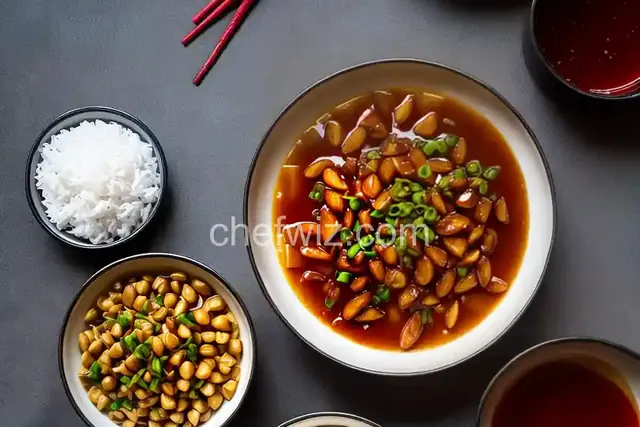
 Imagine the perfect balance of sweet and tangy flavors, the rich aroma of spices, and the mouthwatering texture that adds a delightful punch to any dish.
 By AprilPublished
 Imagine the perfect balance of sweet and tangy flavors, the rich aroma of spices, and the mouthwatering texture that adds a delightful punch to any dish.
In a large pot, combine the plums, vinegar, brown sugar, soy sauce, ginger, garlic, and star anise. Bring the mixture to a boil.
Once boiling, reduce the heat and let it simmer for 20 to 25 minutes, or until the mixture thickens. Remove the star anise and discard it.
Use a stick blender to puree the sauce until smooth.
Ladle the sauce into bowls or jars.
Allow the sauce to cool, then cover and refrigerate it for up to 3 weeks.
To store the sauce for a longer period, use the boiling-water method:
Ladle the sauce into clean, hot 4-ounce or half-pint canning jars, leaving 1/4 inch of headspace.
Release any trapped air in the jars.
Wipe the rims of the jars clean, then place the lids on the jars and screw on the jar bands.
Process the jars in boiling water for 10 minutes.
After the processing time, turn off the heat and remove the canner lid. Let the jars rest in the water for 5 minutes.
Remove the jars from the water and set them aside for 24 hours.
Check the seals on the jars, then store them in a cool, dark place for up to 1 year.
Imagine the perfect balance of sweet and tangy flavors, the rich aroma of spices, and the mouthwatering texture that adds a delightful punch to any dish. That's right, we're talking about Chinese plum sauce! Whether you're dipping your favorite spring rolls, marinating your grilled meats, or glazing your stir-fried vegetables, this versatile condiment is a must-have in any kitchen.
Chinese plum sauce, also known as duck sauce, is a magical blend of plums, sugar, vinegar, and a medley of aromatic spices. It's the combination of flavors that makes it so irresistible. The natural sweetness of plums, the tanginess from vinegar, and the depth of spices create a symphony of tastes that dance on your palate.
Just like the perfect harmony in a song, the secret lies in finding the right balance of ingredients. Too much sweetness can overpower the tanginess, while too much vinegar can overpower the natural flavors of the plums. Achieving that perfect balance is an art that can elevate your dishes to a whole new level.
Creating the perfect Chinese plum sauce requires patience, precision, and a little bit of love. It's like painting a masterpiece or composing a symphony. Each ingredient plays a crucial role in the final result.
First, start with the star of the show - plums! Choose ripe, juicy plums that are bursting with flavor. Their natural sweetness will be the foundation of your sauce. Add a touch of sugar to enhance the sweetness and balance out the flavors.
Next, it's time to add a tangy twist. Vinegar is the key ingredient that brings that delightful tanginess to the sauce. Whether you prefer rice vinegar, apple cider vinegar, or black vinegar, choose one that complements the other ingredients and adds a unique depth to the sauce.
Now, let's spice things up! Aromatic spices like ginger, garlic, cinnamon, star anise, and cloves add layers of complexity to the sauce. They infuse the plum sauce with their intoxicating aroma and transform it into a flavor bomb that will leave your taste buds begging for more.
Creating Chinese plum sauce is like embarking on a culinary adventure. It's a journey that involves simmering, blending, and tasting until you achieve that perfect balance of flavors.
Start by gently simmering the plums, sugar, vinegar, and spices in a pot. Let the flavors meld together and create a symphony of tastes. As the plums soften and release their juices, the sauce will start to thicken and develop its signature texture.
Once the ingredients have simmered to perfection, it's time to transform them into a smooth, velvety sauce. Use a blender or food processor to puree the mixture until it reaches a smooth consistency. The result should be a luscious, glossy sauce that coats the back of a spoon.
Now comes the most important part - tasting! Grab a spoon and take a small sample. Is it too sweet? Add a splash of vinegar to balance it out. Is it too tangy? A sprinkle of sugar can do the trick. Keep tweaking and adjusting until you find that perfect balance that makes your taste buds sing.
Chinese plum sauce is a culinary masterpiece that adds a burst of flavor to any dish. The perfect combination of sweet and tangy, this versatile condiment is a must-have in every kitchen. Whether you're dipping, marinating, or glazing, plum sauce will elevate your dishes to new heights.
So, why settle for store-bought when you can create your own plum sauce masterpiece? Embark on the journey of flavors, experiment with ingredients, and find that perfect balance that makes your taste buds sing. Your homemade Chinese plum sauce will be a game-changer in your culinary repertoire!
Yes, frozen plums can be used to make plum sauce. However, fresh plums are preferred for their juiciness and flavor.
Properly stored in an airtight container, homemade plum sauce can last for up to 3 months in the refrigerator.
Absolutely! The beauty of homemade plum sauce is that you can adjust the sweetness and tanginess to your liking. Add more sugar for a sweeter sauce or more vinegar for a tangier kick.
Most homemade plum sauce recipes are gluten-free. However, it's always best to check the labels of store-bought plum sauce if you have dietary restrictions.
Yes, plum sauce makes an excellent marinade for meats, tofu, and vegetables. It adds a delicious flavor and helps tenderize the ingredients.
Plum sauce is incredibly versatile and can be used in a variety of dishes. It pairs well with spring rolls, roasted duck, stir-fried vegetables, grilled meats, and even sandwiches.
While plums are the traditional choice for Chinese plum sauce, you can experiment with other fruits like apricots or peaches for a unique twist.
Yes, you can freeze homemade plum sauce for future use. Simply store it in an airtight container or freezer bags and thaw it in the refrigerator when needed.
AprilCook, recipe developer and the heart of Chefwiz. More about April