Chestnut Stuffing
Rate this recipeBe the first to rate
 By AprilPublished
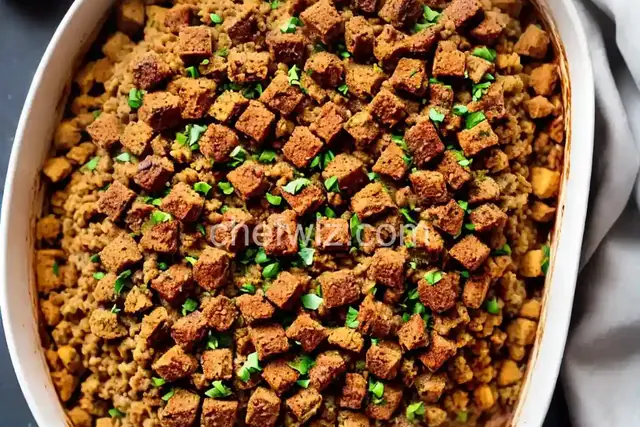
 When it comes to holiday feasts, few things can compare to the comforting aroma of a perfectly roasted turkey accompanied by a delectable stuffing.
 By AprilPublished
 When it comes to holiday feasts, few things can compare to the comforting aroma of a perfectly roasted turkey accompanied by a delectable stuffing.
Using a sharp knife, make small cuts on the surface of the chestnuts.
Place the chestnuts in a medium-sized saucepan and add enough water to cover them. Bring the water to a boil.
Cook the chestnuts until they become tender, which should take approximately 25 minutes.
Drain the water from the saucepan and peel the chestnuts. Then, chop them into smaller pieces.
Preheat your oven to 350 degrees F (175 degrees C).
In a separate medium-sized saucepan, melt the margarine over medium heat.
Add the chopped chestnuts, onion, poultry seasoning, salt, and pepper to the melted margarine. Cook for about 3 minutes or until the onions become tender.
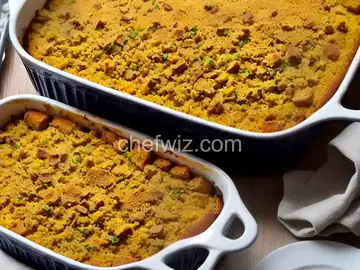
Transfer the mixture to a medium-sized baking dish and combine it with cubed bread.
In a small bowl, beat together the eggs and milk.
Drizzle the egg and milk mixture over the cubed bread mixture in the baking dish.
Place the baking dish in the preheated oven and bake for 30 to 45 minutes, or until the surface becomes crisp and lightly browned.
When it comes to holiday feasts, few things can compare to the comforting aroma of a perfectly roasted turkey accompanied by a delectable stuffing. And if you're looking to take your stuffing game to the next level, why not consider adding chestnuts to the mix? In this article, we'll explore the wonders of chestnut stuffing and how it can elevate your holiday spread.
Imagine biting into a forkful of stuffing that is both savory and slightly sweet, with a hint of nuttiness. That's exactly what you get with chestnut stuffing. The chestnuts add a unique flavor and texture to the dish, making it a standout among traditional stuffing recipes. Plus, chestnuts are packed with nutrients, so you can feel good about indulging in this holiday treat.
Chestnuts are not only delicious but also offer a range of health benefits. They are low in fat and calories, making them a guilt-free addition to your holiday meal. Chestnuts are also a good source of fiber, vitamin C, and various minerals. So, by incorporating chestnut stuffing into your feast, you're not only treating your taste buds but also nourishing your body.
Preparing chestnut stuffing is a relatively simple process. First, you'll need to roast and peel the chestnuts. Once they are ready, you can combine them with the other stuffing ingredients, such as bread, herbs, vegetables, and seasonings. The result is a flavorful mixture that can be baked alongside your turkey or cooked separately.
Now that you're excited to try your hand at making chestnut stuffing, here are a few tips to ensure you achieve stuffing perfection:
When selecting chestnuts for your stuffing, opt for fresh ones. Look for chestnuts that are firm, glossy, and free of blemishes. Avoid any that feel lightweight, as they may be dry or past their prime.
Roasting chestnuts brings out their natural sweetness and makes them easy to peel. Make sure to score the chestnuts before roasting to prevent them from exploding. Once roasted, let them cool slightly, then remove the shells and inner skins.
Enhance the flavor of your chestnut stuffing by adding aromatic herbs, such as sage, thyme, and rosemary. These herbs complement the earthiness of the chestnuts and add a delightful fragrance to your dish.
If you choose to stuff your turkey with chestnut stuffing, be sure not to overstuff it. Leave some room for the stuffing to expand as it cooks. Overfilling the turkey can lead to uneven cooking and potential food safety concerns.
Chestnut stuffing is a delightful twist on traditional stuffing, adding a unique flavor and texture to your holiday feast. With its nutritional benefits and versatility, it's a must-try dish that will impress your family and friends. So go ahead, embrace the magic of chestnuts, and elevate your holiday spread with a scrumptious chestnut stuffing!
Yes! You can prepare the chestnut stuffing a day in advance and store it in the refrigerator. Simply reheat it before serving.
While fresh chestnuts are recommended for the best flavor, you can use pre-packaged chestnuts if fresh ones are not available. Just be sure to check for any added preservatives or salt content in the packaged chestnuts.
Absolutely! If you're looking for a gluten-free version or simply want to switch things up, you can replace bread with cooked rice or quinoa in your chestnut stuffing.
Certainly! Chestnut stuffing is a versatile dish that can be customized to your liking. Feel free to add ingredients like dried fruits, mushrooms, or even bacon for an extra burst of flavor.
Frozen chestnuts can be a convenient alternative to fresh ones. Just make sure to thaw them thoroughly and follow the same steps for roasting and peeling as you would with fresh chestnuts.
Leftover chestnut stuffing can be stored in an airtight container in the refrigerator for up to 3-4 days. Reheat it in the oven or microwave before enjoying.
Yes, you can freeze chestnut stuffing. Allow it to cool completely, then transfer it to a freezer-safe container or bag. It can be stored in the freezer for up to 3 months. Thaw it in the refrigerator before reheating.
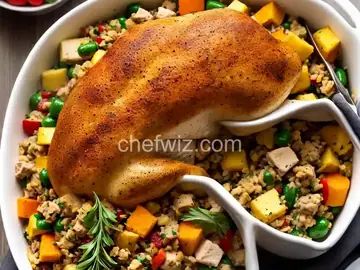
Absolutely! Chestnut stuffing isn't limited to holiday feasts. You can use it as a filling for stuffed mushrooms, bell peppers, or even as a topping for baked chicken breasts.
AprilCook, recipe developer and the heart of Chefwiz. More about April