Chef John's Paper Pork Shoulder
Rate this recipeBe the first to rate
 By AprilPublished
 Have you ever wondered how to achieve that tender, fall-apart texture in a pork shoulder?
 By AprilPublished
 Have you ever wondered how to achieve that tender, fall-apart texture in a pork shoulder?
Preheat the oven to 225 degrees F (110 degrees C).
In a bowl, combine salt, black pepper, paprika, brown sugar, onion powder, garlic powder, and cayenne pepper.
Sprinkle the rub mixture evenly on all surfaces of the pork roast, pressing it firmly onto the meat.
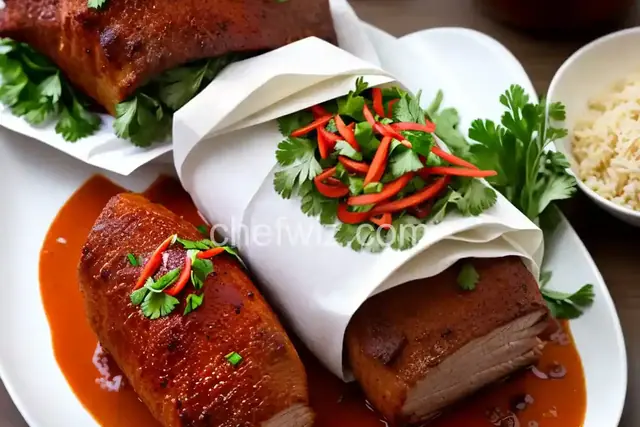
Take a 4-foot piece of unbleached parchment paper. Place the roast at one end and tightly roll the roast in the parchment paper.
Cut another piece of parchment paper and roll the roast again, this time in the opposite direction.
Cut a long piece of heavy-duty aluminum foil and tightly wrap the parchment-wrapped roast.
Wrap the roast in a second piece of foil, and then a third, making sure to rotate the position of the roast each time.
Place the wrapped roast in a roasting pan with the folded edges facing up to prevent any leaking.
Put the pan in the preheated oven and roast until the pork is tender, which should take about 12 1/2 hours (or 1.75 hours per pound of pork).
Remove the pan from the oven and let the wrapped roast rest for at least 1 hour before unwrapping.
Brush the roast with the accumulated juices from the parchment paper.
Have you ever wondered how to achieve that tender, fall-apart texture in a pork shoulder? Look no further! In this article, we'll dive into Chef John's secret technique for cooking a paper pork shoulder that will leave your taste buds begging for more.
So, why paper? It may seem unconventional, but cooking pork shoulder wrapped in parchment paper is a game-changer. The paper acts as a barrier, trapping in moisture and creating a steamy environment that gently cooks the meat. This results in a succulent and juicy pork shoulder that is melt-in-your-mouth delicious.
First, you'll need a bone-in pork shoulder. The bone adds flavor and helps retain moisture throughout the cooking process. Preheat your oven to a low temperature, around 275째F (135째C). While the oven is heating up, season the pork shoulder generously with your favorite dry rub.
Now, here comes the fun part. Take a large sheet of parchment paper and fold it in half. Place the seasoned pork shoulder in the center of the parchment paper and fold the paper over, creating a tight seal. It's like making a present for your taste buds!
Place the wrapped pork shoulder on a baking sheet and transfer it to the preheated oven. Let it cook low and slow for several hours, allowing the flavors to meld together and the meat to become tender. The result will be a perfectly cooked pork shoulder that falls apart with a gentle touch.
So, what makes Chef John's paper pork shoulder so special? The combination of low heat and the steamy environment created by the parchment paper helps break down the tough connective tissue in the pork shoulder. This long, slow cooking process transforms the collagen into gelatin, resulting in a tender and succulent piece of meat.
Here are a few additional tips to ensure your paper pork shoulder turns out perfectly every time:
Chef John's paper pork shoulder is a game-changing technique that will take your pork shoulder to the next level. The combination of low heat, parchment paper, and a little bit of patience results in a tender and juicy piece of meat that will wow your taste buds. So, why not give it a try and experience the magic for yourself?
While a boneless pork shoulder will work, using a bone-in pork shoulder adds extra flavor and helps retain moisture.
The cooking time will vary depending on the size of the pork shoulder, but a general guideline is to cook it for 6-8 hours.
While aluminum foil can be used, parchment paper is preferred as it creates a better steamy environment for cooking.
Absolutely! Adding vegetables like onions, carrots, and potatoes to the packet will infuse them with the delicious flavors of the pork shoulder.
Yes, you can! Simply set up your grill for indirect heat and cook the pork shoulder using the same method as in the oven.
Some delicious side dishes that pair well with paper pork shoulder include coleslaw, mashed potatoes, and roasted vegetables.
While this technique is specifically designed for pork shoulder, you can experiment with other cuts of meat and see how they turn out!
Absolutely! The cooked pork shoulder can be frozen for future use. Simply wrap it tightly in plastic wrap or place it in an airtight container before freezing.
AprilCook, recipe developer and the heart of Chefwiz. More about April