Cheese Souffle
Rate this recipeBe the first to rate
 By AprilPublished
Are you ready to embark on a culinary adventure that will tantalize your taste buds and leave you craving for more?
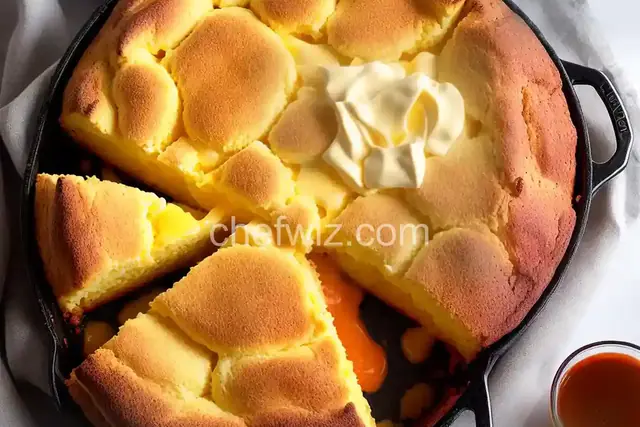 By AprilPublished
Are you ready to embark on a culinary adventure that will tantalize your taste buds and leave you craving for more?
Grease an 8-inch souffle mold with room temperature butter.
Sprinkle grated Parmesan over the mold and roll it around to cover the sides.
Cover the mold with plastic wrap and place it in the freezer for 5 minutes.
Preheat the oven to 375 degrees F.
In a small saucepan, heat the butter until all the water has cooked out.
In a separate bowl, combine the flour, dry mustard, garlic powder, and kosher salt. Whisk this mixture into the melted butter and cook for 2 minutes.
Whisk in the hot milk and turn the heat to high. Once the mixture boils, remove it from the heat.
In another bowl, beat the egg yolks until creamy. Gradually add the milk mixture to the yolks while constantly whisking.
Remove from heat and add the cheese, whisking until incorporated.
In a separate bowl, use a hand mixer to whip the egg whites and cream of tartar until glossy and firm.
Gently fold 1/4 of the egg white mixture into the base, then add the remaining whites by thirds, folding gently.
Pour the mixture into the souffle, filling it up to 1/2-inch from the top.
Place the souffle on an aluminum pie pan and bake in the oven
Are you ready to embark on a culinary adventure that will tantalize your taste buds and leave you craving for more? Look no further than the exquisite cheese souffle. This classic French dish is not only a feast for the senses but also a testament to the artistry and science of cooking. In this article, we will delve into the world of cheese souffles, exploring their history, the secrets to making the perfect souffle, and why they are a must-try for any food lover.
Like many culinary masterpieces, the exact origins of the cheese souffle are shrouded in mystery. Some believe it was first created in France during the 18th century, while others argue that it can be traced back even further. Regardless of its origins, one thing is certain - the cheese souffle has become a beloved dish around the world.
Creating a perfect cheese souffle is no easy feat. The key lies in the delicate balance between ingredients and technique. The magic of a souffle lies in its ability to rise and puff up in the oven, creating a light and airy texture. This is achieved through the use of eggs and the incorporation of air into the mixture.
When the souffle is placed in the oven, the heat causes the air trapped inside to expand, resulting in the rise of the souffle. The proteins in the eggs coagulate, further stabilizing the structure. However, be warned - a souffle is a delicate creation that can easily deflate if not handled with care.
Creating a cheese souffle that is both visually stunning and delectable requires precision and attention to detail. The choice of cheese is crucial, as different varieties can greatly influence the flavor profile of the dish.
Once you have selected your cheese, the next step is to prepare the base mixture. This typically involves creating a roux with butter and flour, which will serve as the foundation for the souffle. Then, the cheese is added to the mixture, along with any additional seasonings or ingredients.
Separating the eggs and whisking the egg whites until stiff peaks form is another critical step in the process. The beaten egg whites are gently folded into the cheese mixture, ensuring that the air bubbles remain intact.
The final touch is carefully pouring the mixture into individual ramekins or a baking dish and placing it in a preheated oven. The souffle should be watched closely, as it only takes a few minutes for it to rise and reach its full potential.
If you're still on the fence about trying a cheese souffle, let us convince you. Imagine biting into a cloud of cheesy goodness, with a delicate crust on top and a melt-in-your-mouth center. The combination of flavors and textures is a symphony for the palate.
Moreover, making a cheese souffle is an experience in itself. The anticipation as you watch it rise in the oven, the satisfaction of achieving the perfect rise, and the sense of accomplishment when you serve it to your guests - it's a culinary triumph that will leave you feeling like a master chef.
The cheese souffle is a culinary masterpiece that combines science and artistry to create a dish that is as visually stunning as it is delicious. With its delicate texture and rich flavor, it is a testament to the wonders of French cuisine.
So why not embark on your own cheese souffle adventure? Gather your ingredients, follow the recipe with care, and prepare to be amazed as you witness your creation rise to new heights. Whether you're a seasoned chef or a novice in the kitchen, the cheese souffle is a must-try dish that will leave you wanting more.
While certain cheeses work better than others, you can experiment with different varieties to suit your taste. Gruyere, cheddar, and Parmesan are popular choices.
Souffles are best served immediately after baking, as they tend to deflate quickly. However, you can prepare the base mixture in advance and then bake it when you're ready to serve.
Souffles are delicate creations that can deflate if not handled with care. Opening the oven door while the souffle is baking or overmixing the batter can cause it to collapse.
It is not recommended to freeze a cheese souffle, as the texture and flavor may be compromised upon thawing.
Absolutely! While cheese souffles are more common, you can also make sweet variations using ingredients like chocolate, fruit, or flavored syrups.
The souffle should be golden brown on top and slightly jiggly in the center when it's done. Inserting a toothpick or skewer into the center should come out clean.
Unfortunately, reheating a souffle is not recommended, as it will further deflate and lose its airy texture. It's best to enjoy it fresh out of the oven.
Absolutely! You can customize your cheese souffle by adding ingredients like herbs, vegetables, or cooked meats to enhance the flavor and texture.
AprilCook, recipe developer and the heart of Chefwiz. More about April