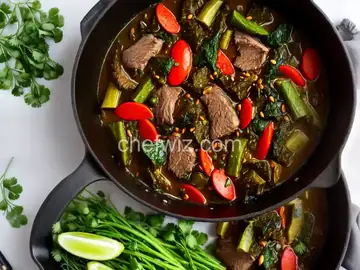
Chashu Pork: The Perfect Addition to Tonkotsu Ramen
Are you a ramen lover searching for that perfect mouthwatering, melt-in-your-mouth meat to top off your bowl of tonkotsu ramen? Look no further than chashu pork! This marinated braised pork belly is the ultimate flavor bomb that takes your ramen experience to a whole new level. In this article, we'll delve into the secrets of making the best chashu pork and how it elevates the taste of your favorite Japanese dish.
What is Chashu Pork?
Chashu pork is a traditional Japanese dish consisting of tender, succulent slices of pork belly that have been marinated and braised to perfection. The name "chashu" actually comes from the Chinese word for "fork roast," as the dish was originally introduced to Japan by Chinese immigrants. Over time, chashu pork has become an integral part of ramen culture, adding richness and depth to the already flavorful broth.
How is Chashu Pork Prepared?
Preparing chashu pork is a labor of love that requires patience and attention to detail. The process begins with marinating the pork belly in a savory blend of soy sauce, mirin, sake, sugar, and aromatic spices such as ginger and garlic. The marinated pork belly is then slowly braised in a broth until it becomes tender and infused with all the delicious flavors. The result is melt-in-your-mouth meat with a caramelized glaze that adds a touch of sweetness.
The Art of Braising
Braising is a cooking technique that involves searing the meat first to create a flavorful crust, then simmering it gently in a liquid until it becomes tender and juicy. This process allows the flavors to mingle and develop, resulting in a succulent piece of meat that practically melts in your mouth. The slow braising of chashu pork ensures that every bite is packed with flavor and tenderness.
The Role of Chashu Pork in Tonkotsu Ramen
Tonkotsu ramen is a rich and creamy pork-based broth that forms the foundation of the dish. The addition of chashu pork takes it to the next level, providing a burst of umami and adding a meaty, savory element to the already complex flavors. The tender slices of chashu pork complement the springy noodles and the assortment of toppings, creating a harmonious symphony of textures and tastes in every bite.
Tips for Perfect Chashu Pork
Creating the perfect chashu pork requires attention to detail and a few tips and tricks. Here are some key points to keep in mind:
Choosing the Right Cut of Pork Belly
The success of chashu pork lies in selecting the right cut of pork belly. Look for belly slices that have an equal ratio of meat to fat. The fat is what gives the chashu pork its melt-in-your-mouth texture and flavor.
Marinating for Optimal Flavor
Marinating the pork belly for at least 24 hours allows the flavors to penetrate the meat fully. This step is crucial for achieving the perfect balance of sweet, savory, and umami flavors in the chashu pork.
Slow and Low Braising
Braising the pork belly over low heat for an extended period is the secret to achieving that tender, juicy texture. The longer you braise it, the more tender and flavorful the chashu pork will become.
Conclusion
Chashu pork is the crowning glory of tonkotsu ramen, elevating this classic Japanese dish to new heights of deliciousness. The careful preparation, marinating, and braising of the pork belly result in tender, melt-in-your-mouth slices that complement the rich, creamy broth and noodles perfectly. So next time you slurp a bowl of tonkotsu ramen, make sure to savor every bite of that delectable chashu pork!
Frequently asked questions
- Can I use a different cut of meat for chashu pork?
While pork belly is the traditional choice for chashu pork, you can experiment with other cuts such as pork shoulder or butt. Just keep in mind that the texture and flavor may differ slightly.
- Can I make chashu pork ahead of time?
Absolutely! In fact, chashu pork is often made in advance to allow the flavors to develop even further. Simply refrigerate the cooked chashu pork in its braising liquid, and when you're ready to use it, slice and reheat it gently in the broth.
- Can I freeze chashu pork?
Yes, you can freeze chashu pork for future use. After braising and cooling the pork belly, wrap it tightly with plastic wrap, place it in a freezer-safe bag, and store it in the freezer for up to 3 months. Thaw it in the refrigerator before reheating.
- Can I use chashu pork in other dishes?
Absolutely! Chashu pork is incredibly versatile and can be used in various dishes. You can slice it and serve it over steamed rice, add it to stir-fries, or even use it as a filling for buns or sandwiches.
- Can I substitute the soy sauce in the marinade?
If you have dietary restrictions or preferences, you can substitute soy sauce with tamari (gluten-free soy sauce) or coconut aminos. Just keep in mind that the flavor profile may vary slightly.
- How thick should the pork belly slices be?
The thickness of the pork belly slices is a matter of personal preference. However, a thickness of around 1/2 inch is a good starting point for achieving the perfect balance of tenderness and texture.
- Can I use chashu pork in vegetarian ramen?
Chashu pork is a meat-based ingredient and may not be suitable for vegetarian or vegan ramen. However, you can explore plant-based alternatives such as marinated tofu or seitan to add a similar depth of flavor
 By AprilPublished