Charcuterie Board Bites
Rate this recipeBe the first to rate
 By AprilPublished
 Have you ever found yourself at a party, surrounded by a beautifully arranged charcuterie board, wondering where to begin?
 By AprilPublished
 Have you ever found yourself at a party, surrounded by a beautifully arranged charcuterie board, wondering where to begin?
Preheat your oven by positioning the oven rack in the center and setting it to the broil function.
Cut the baguette into 16 diagonal slices to make crostini.
Spread a thin layer of butter and preserves on each slice of the baguette.
Place the prepared crostini on a baking sheet.
Sprinkle a generous pinch of fontina cheese on top of each crostini.
Transfer the baking sheet to the oven and broil for about 5 minutes.
Carefully remove the baking sheet from the oven.
Transfer the crostini from the baking sheet to a serving board or platter.
Fold the salami into triangles and place one on top of each crostini.
Garnish each crostini with a mini cornichon.
Serve and enjoy!
Have you ever found yourself at a party, surrounded by a beautifully arranged charcuterie board, wondering where to begin? With so many delicious options to choose from, it can be overwhelming to know where to start. But fear not! In this article, we will explore the world of charcuterie board bites and guide you through selecting and enjoying the perfect combination of flavors.
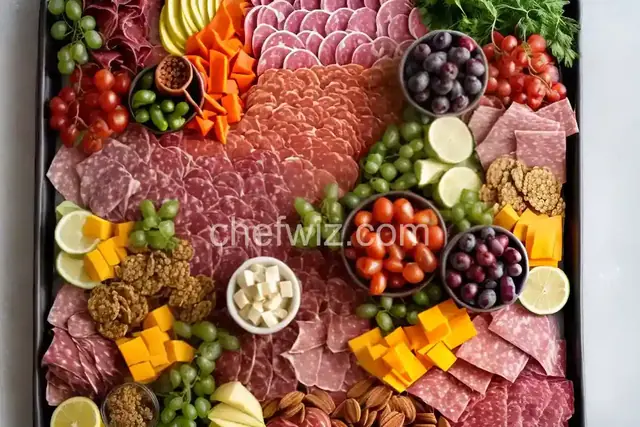
Charcuterie is more than just a fancy word for a meat and cheese platter. It is an art form, a carefully curated selection of cured meats, cheeses, fruits, nuts, and spreads that come together to create a harmonious symphony of flavors. Just like a painter uses different colors to create a masterpiece, a well-crafted charcuterie board combines a variety of textures, tastes, and aromas to create a culinary delight.
When it comes to selecting the ingredients for your charcuterie board, the key is balance. Think of it like a puzzle - each piece should complement the others and contribute to the overall picture. Start with a variety of cured meats, such as prosciutto, salami, and chorizo. These meats add depth and richness to your board.
Next, choose a few different types of cheese. Soft and creamy cheeses like brie or camembert pair well with the salty and savory meats. Hard cheeses like aged cheddar or gouda provide a sharp contrast in flavor and texture. Don't forget to include a spread or two, like fig jam or honey, to add a touch of sweetness to your board.
Now that you have selected your ingredients, it's time to arrange them on your charcuterie board. Start by placing the larger items, such as the cheeses and meats, in different areas of the board. This will create visual interest and make it easier for your guests to access their favorite bites. Fill in the gaps with smaller items like olives, pickles, and fresh fruits.
Remember, presentation is key. Arrange the ingredients in an aesthetically pleasing way, creating a feast for the eyes before the taste buds. Use different colors and textures to create a visually appealing display. Play around with shapes and sizes, stacking slices of meat or arranging cheese wedges in a fan-like pattern.
Now that your charcuterie board is ready, it's time to dig in! But how do you approach this culinary masterpiece? The answer is simple - with curiosity and an open mind. Start by trying different combinations of meats, cheeses, and spreads. Take a bite of prosciutto with a smear of fig jam, or pair a slice of salami with a dollop of honey. Let your taste buds guide you as you explore the flavors.
Don't be afraid to experiment. Mix and match different ingredients to create your own unique flavor combinations. Maybe you discover that blue cheese and sliced pear are a match made in heaven, or that a bite of spicy chorizo with a tangy pickle is the perfect balance. The beauty of a charcuterie board is that there are no rules - only endless possibilities.
Charcuterie originated in France, where it was traditionally used as a way to preserve meat before refrigeration. It has since evolved into an art form, with charcutiers carefully selecting and curing meats to create flavorful delicacies.
Absolutely! While charcuterie traditionally includes cured meats, you can create a vegetarian version by focusing on a variety of cheeses, fruits, nuts, and spreads. Get creative and experiment with different flavors and textures.
It is best to enjoy your charcuterie board within two hours of assembling it. If you need to keep it out for longer, make sure to refrigerate any perishable items and replace them as needed.
Absolutely! Charcuterie boards are highly customizable and can be tailored to accommodate various dietary restrictions. Include gluten-free crackers, dairy-free cheese alternatives, and a variety of fruits and vegetables to cater to different needs.
Charcuterie pairs well with a variety of beverages, including wine, beer, and cocktails. For a classic pairing, opt for a red wine like a cabernet sauvignon or a dry white wine like a sauvignon blanc. If you prefer beer, go for a crisp and refreshing IPA or a malty amber ale.
Absolutely! In fact, preparing your charcuterie board in advance allows the flavors to meld together and intensify. Just make sure to cover it with plastic wrap or store it in an airtight container in the refrigerator until you're ready to serve.
As a general rule of thumb, plan for about 2-3 ounces of meat and cheese per person. However, it's always better to have more than not enough, so feel free to adjust based on the size of your gathering and your guests' appetites.
Absolutely! Leftovers from a charcuterie board can be repurposed into delicious sandwiches, salads, or pasta dishes. Get creative and use the ingredients in new and exciting ways.
Charcuterie board bites are a delightful and versatile way to enjoy a variety of flavors and textures. Whether you're hosting a party or simply indulging in a solo treat, the art of charcuterie allows you to explore a world of culinary possibilities. So go ahead, gather your favorite ingredients, and create a masterpiece that will tantalize your taste buds and impress your guests.
AprilCook, recipe developer and the heart of Chefwiz. More about April