Ceremonial Pigeon Pie
Rate this recipeBe the first to rate
 By AprilPublished
 Have you ever wondered what makes a dish truly special? Something that not only satisfies your taste buds but also captures the essence of a culture or tradition?
 By AprilPublished
 Have you ever wondered what makes a dish truly special? Something that not only satisfies your taste buds but also captures the essence of a culture or tradition?
Heat oil in a large skillet over medium heat. Add onion, salt, and pepper. Cook and stir occasionally until the onion starts to soften, for about 5-7 minutes.
Stir in chiles, garlic, and thyme. Scrape up any browned bits from the bottom and sides of the pan. Cook and stir occasionally until the onion starts to stick to the bottom of the pan, approximately 20 minutes.
Add vinegar and raw sugar. Cook and stir, scraping up any browned bits, until the liquid is evaporated and the onion is soft and golden brown, about 5 minutes. Season with salt and pepper. Let it cool and set it aside.
In a large bowl, mix pork, parsley, sage, thyme, mace, allspice, ginger, cloves, 1 tablespoon of salt, and ½ teaspoon of pepper. Chill the mixture.
In another large bowl, toss the chicken with 2 teaspoons of salt and ¼ teaspoon of pepper. Chill it.
In a large bowl, whisk flour and salt. Make a well in the center. In a medium saucepan, bring schmaltz and 1¼ cups of water to a boil. Pour the mixture into the well. Mix with a wooden spoon until the dough comes together. Use your hands to knead until there are no lumps of flour left. Let it sit for 30 minutes.
Pre
Have you ever wondered what makes a dish truly special? Something that not only satisfies your taste buds but also captures the essence of a culture or tradition? Look no further than the ceremonial pigeon pie, a culinary masterpiece that has been enjoyed for centuries. In this article, we will explore the history, significance, and preparation of this exquisite dish.
Just like the intricate layers of flavors that make up this dish, the history of ceremonial pigeon pie is equally fascinating. Dating back to medieval times, it was a dish fit for kings and nobles. Pigeon, considered a delicacy, symbolized wealth and prosperity. The pie was often prepared for special occasions and celebrations, adding an air of grandeur and extravagance to any feast.
Over time, the dish evolved, incorporating regional ingredients and techniques. Each culture added its own unique touch, resulting in a variety of recipes that have been passed down through generations.
What sets ceremonial pigeon pie apart from other dishes is its symbolic significance. It goes beyond being just a meal; it represents heritage, tradition, and a sense of occasion. The pie is often associated with celebrations and milestones, such as weddings, anniversaries, or religious festivities.
Just like the bird that it features, the pie is a symbol of unity and prosperity. It brings people together, creating a sense of community and shared joy. It is a dish that transcends time and brings generations together, connecting the past with the present.
Now that we understand the rich history and significance of ceremonial pigeon pie, let's dive into its preparation. While the exact recipe may vary, the essence remains the same – a perfect blend of flavors and textures.
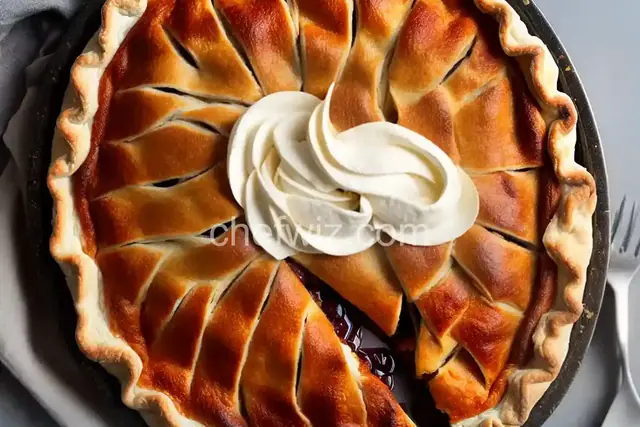
Imagine sinking your teeth into a tender, succulent pigeon, enveloped in a flaky pastry crust. The aroma of herbs and spices fills the air as you cut into the pie, revealing the layers of perfectly cooked meat and vegetables.
Creating this masterpiece requires patience, skill, and attention to detail. The ingredients are carefully selected, and the pie is assembled with precision. It is a labor of love that results in a dish that delights both the eyes and the palate.
Ceremonial pigeon pie is more than just a dish; it is a culinary experience that encapsulates tradition, heritage, and celebration. Its rich history and symbolic significance make it a standout among other recipes. So next time you have a special occasion to commemorate, consider adding a touch of elegance and tradition by serving a ceremonial pigeon pie.
The traditional ingredients used in ceremonial pigeon pie include pigeon, herbs, spices, and various vegetables.
While pigeon is the traditional choice, you can substitute it with other game birds or even chicken. However, keep in mind that the unique flavor of pigeon adds to the authenticity of the dish.
The preparation time can vary depending on the recipe and the complexity of the dish. On average, it can take anywhere from 2 to 4 hours.
Yes, there are vegetarian versions available that replace the meat with a variety of plant-based ingredients, such as mushrooms or tofu.
Yes, you can freeze leftover pie for future consumption. Just make sure to wrap it tightly in foil or plastic wrap to maintain its freshness.
While it may seem intimidating, with proper guidance and practice, even beginners can successfully make a ceremonial pigeon pie.
Absolutely! Making individual-sized pies adds a charming touch and allows for easier portion control.
Common side dishes that pair well with ceremonial pigeon pie include roasted vegetables, mashed potatoes, or a fresh salad.
AprilCook, recipe developer and the heart of Chefwiz. More about April