Cathead Biscuits
Rate this recipeBe the first to rate
 By AprilPublished
 Are you ready to embark on a culinary adventure? Today, we are going to explore the delightful world of cathead biscuits.
 By AprilPublished
 Are you ready to embark on a culinary adventure? Today, we are going to explore the delightful world of cathead biscuits.
Preheat the oven to 475 degrees F (245 degrees C).
Grease an 8-inch cake pan.
In a large mixing bowl, sift together the flour and salt.
Create a dent in the center of the flour mixture by pushing the flour from the center towards the sides of the bowl.
Add 2 walnut-sized lumps of shortening and a splash of buttermilk into the dent.
Incorporate the shortening into the flour by using your fingers in a twisting motion until it is fully mixed.
Gradually pour about 1/4 cup of buttermilk into the flour mixture at a time, working it in with your fingers until the buttermilk is completely incorporated and forms a sticky dough.
Roll the dough into 8 large balls.
Drop the dough balls into the prepared cake pan, starting from the outside and placing the last one in the middle to fill the pan.
Press the dough balls with the back of your fingers to flatten them until they touch and are about 3/4 to 1 inch thick.
Bake in the preheated oven for 15 to 20 minutes, or until the tops are golden brown.
Brush the tops with melted butter.
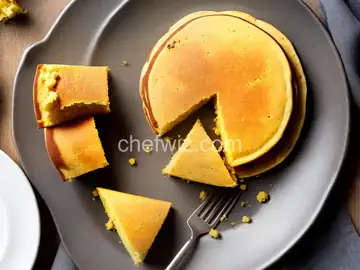
Are you ready to embark on a culinary adventure? Today, we are going to explore the delightful world of cathead biscuits. These fluffy, buttery treats are a Southern staple, and once you sink your teeth into one, you'll understand why they're named after a feline's head.
Imagine sinking your teeth into a warm, golden biscuit with a crispy exterior and a tender, buttery interior. That's what cathead biscuits offer, and it's a sensation that can't be replicated by any other bread product. The name "cathead" comes from their size, as they are as big as a cat's head. It's a quirky and endearing characteristic that sets these biscuits apart.
Creating the perfect cathead biscuit starts with high-quality ingredients. Flour, buttermilk, butter, baking powder, and a touch of salt are the foundation of this recipe. The combination of these simple ingredients creates a magical alchemy that results in a biscuit that is both light and substantial.
The type of flour you use can make or break your cathead biscuits. All-purpose flour is a popular choice, but if you want to take your biscuits to the next level, consider using self-rising flour. The self-rising variety already contains baking powder and salt, which means less measuring and more time to enjoy the biscuit-making process.
Buttermilk is the secret ingredient that gives cathead biscuits their tangy flavor and tender texture. It reacts with the baking powder, creating tiny air pockets that make the biscuits light and fluffy. If you don't have buttermilk on hand, you can easily make a substitute by adding a tablespoon of lemon juice or vinegar to a cup of milk and letting it sit for a few minutes.
Creating the perfect cathead biscuit requires a delicate touch and a bit of finesse. It's not just about throwing ingredients together and hoping for the best. It's about taking the time to knead the dough gently, folding it over itself, and giving it a few turns to create layers. This process ensures that the biscuits rise evenly and have a light, flaky texture.
There's something truly magical about the aroma of freshly baked biscuits wafting through the air. The anticipation builds as you watch them brown in the oven, and when they finally emerge, golden and inviting, it's hard to resist tearing into one right away. Slathered with butter or topped with sausage gravy, cathead biscuits are a treat that brings comfort and joy to any meal.
Cathead biscuits are more than just a bread product; they are a symbol of comfort, warmth, and Southern hospitality. Whether enjoyed with a hearty meal or as a standalone treat, these fluffy delights are sure to bring a smile to your face. So, why not roll up your sleeves, gather your ingredients, and experience the joy of cathead biscuits for yourself?
Yes, you can freeze cathead biscuits! After they have cooled, place them in an airtight container or freezer bag and store them in the freezer. When you're ready to enjoy them, simply thaw them at room temperature or reheat them in the oven for a few minutes.
While butter adds richness and flavor to cathead biscuits, you can substitute it with other fats such as shortening or lard. Just keep in mind that the texture and taste may be slightly different.
Absolutely! There are many gluten-free flour blends available that can be used as a substitute for regular flour in cathead biscuit recipes. Experiment with different blends until you find one that works best for you.
Yes, you can make cathead biscuits vegan! Substitute the buttermilk with a non-dairy alternative, such as almond milk or soy milk, and use a vegan butter substitute. The result may be slightly different, but still delicious.
Absolutely! Cathead biscuits are a blank canvas for your culinary creativity. Feel free to add herbs, cheese, or even bacon bits to the dough for an extra burst of flavor.
Cathead biscuits are best enjoyed fresh out of the oven, but they can be stored in an airtight container at room temperature for up to 2 days. After that, they may start to lose their freshness and become dry.
Yes, you can use a biscuit cutter to shape your cathead biscuits if you prefer a more uniform appearance. Just make sure to handle the dough gently and not overwork it, as this can result in tougher biscuits.
If you don't have buttermilk on hand, you can use regular milk as a substitute. However, keep in mind that the tangy flavor and tender texture of the biscuits may be slightly different.
AprilCook, recipe developer and the heart of Chefwiz. More about April