Cast Iron Cornbread
Rate this recipeBe the first to rate
 By AprilPublished
Are you a fan of savory and comforting cornbread? Look no further than cast iron cornbread!
 By AprilPublished
Are you a fan of savory and comforting cornbread? Look no further than cast iron cornbread!
Preheat the oven to 400 degrees F (200 degrees C).
In a cast iron skillet, melt the butter. Turn off the heat and set the skillet aside.
In a large bowl, whisk together buttermilk, cornmeal, eggs, honey, salt, and cayenne pepper.
Add flour and half of the melted butter from the skillet to the bowl. Whisk again.
Pour the batter over the remaining butter in the skillet.
Bake in the preheated oven for about 25 minutes or until a toothpick inserted in the center comes out clean.
Let the cornbread cool briefly before slicing.
To make self-rising flour, sift together 1 cup of all-purpose flour, 2 teaspoons baking powder, and 1/2 teaspoon fine salt.
If you prefer less butter in the batter, you can use 4 tablespoons and only 1 or 2 tablespoons for the skillet.
Adjust the amount of buttermilk to your preference for a moist or crumbly cornbread.
Customize the cornbread by adding hot peppers, cheese, fresh corn, or adjusting the texture to your taste.
Are you a fan of savory and comforting cornbread? Look no further than cast iron cornbread! This classic dish is a staple in many households, and for good reason. It's easy to make, versatile, and oh-so-delicious. In this article, we'll explore the wonders of cast iron cornbread and why it's a must-have in your culinary repertoire.
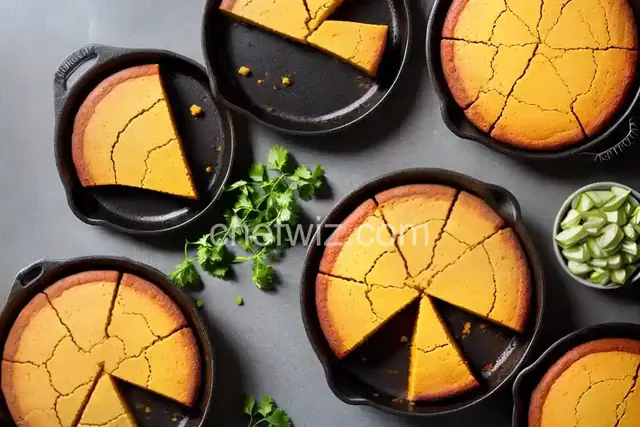
Before we dive into the world of cast iron cornbread, let's talk about the star of the show - the cast iron skillet. This trusty kitchen tool is a heavyweight champion when it comes to cooking. Not only does it distribute heat evenly, but it also retains heat exceptionally well. This means that your cornbread will bake to perfection, with a crispy crust and a tender, moist interior.
Think of your cast iron skillet as a conductor of culinary symphonies. It conducts heat like a maestro directs an orchestra, ensuring that every ingredient gets its moment to shine. The result? A cornbread that's golden brown on the outside and fluffy on the inside, with just the right amount of sweetness and a hint of smokiness.
Cast iron cornbread is a humble yet versatile dish. It can be enjoyed on its own as a comforting snack or as a delightful side to complement your favorite meals. Its simplicity allows it to pair well with both savory and sweet flavors, making it a canvas for culinary creativity.
Want to add a touch of sweetness to your cornbread? Try mixing in some honey or maple syrup for a delightful twist. Craving a savory kick? Add some jalapeños, cheese, or even bacon bits to the batter. The possibilities are endless, limited only by your imagination and taste buds.
1. Durability: A well-seasoned cast iron skillet can last for generations, making it a worthwhile investment.
2. Versatility: From stovetop to oven, a cast iron skillet can handle it all. Use it for frying, baking, roasting, and even grilling.
3. Heat Distribution: Say goodbye to hot spots and uneven cooking. A cast iron skillet ensures that your cornbread bakes evenly every time.
4. Flavor Enhancement: The natural non-stick properties of a seasoned cast iron skillet add a unique depth of flavor to your cornbread.
1. Preheat your cast iron skillet: Place it in the oven as it preheats to ensure a crispy crust.
2. Use buttermilk for added tanginess and moisture.
3. Don't overmix the batter: Mix until the ingredients are just combined to avoid a dense cornbread.
4. Let it rest: Allow your cornbread to cool for a few minutes before cutting into it. This will help it set and prevent it from crumbling.
Cast iron cornbread is a timeless classic that never fails to satisfy. Its simplicity, versatility, and the magic of a cast iron skillet make it a kitchen essential. So, the next time you're craving a comforting treat or need a delicious side dish, reach for your trusty cast iron skillet and whip up a batch of mouthwatering cornbread.
While you can use a different type of skillet, a cast iron skillet is highly recommended for the best results.
To season a cast iron skillet, apply a thin layer of oil to the entire surface and bake it in the oven at a high temperature for about an hour.
Yes, you can substitute eggs with ingredients like mashed bananas, applesauce, or yogurt to make eggless cornbread.
Absolutely! There are many gluten-free cornbread recipes available that use alternative flours like cornmeal and gluten-free baking mixes.
Store leftover cornbread in an airtight container or wrap it tightly in plastic wrap. It can be kept at room temperature for a day or two or refrigerated for longer shelf life.
Yes, cornbread freezes well. Wrap it tightly in plastic wrap and place it in a freezer bag or container. It can be stored in the freezer for up to three months.
Absolutely! You can reheat leftover cornbread in the oven, toaster oven, or microwave. Just be careful not to overheat it to avoid drying it out.
Yes, you can use regular milk as a substitute for buttermilk. Simply add a tablespoon of vinegar or lemon juice to a cup of milk and let it sit for a few minutes to create a buttermilk substitute.
AprilCook, recipe developer and the heart of Chefwiz. More about April